
Cono Sur
The Southern Cone functions through cross-border systems rather than isolated national markets. Strategic resources, trade corridors, inland waterways, gas routes, lithium governance, food systems, pulp infrastructure, industrial production, data centers and digital platforms connect Argentina, Brazil, Paraguay, Uruguay, Chile and Bolivia through shared opportunities and operational dependencies.
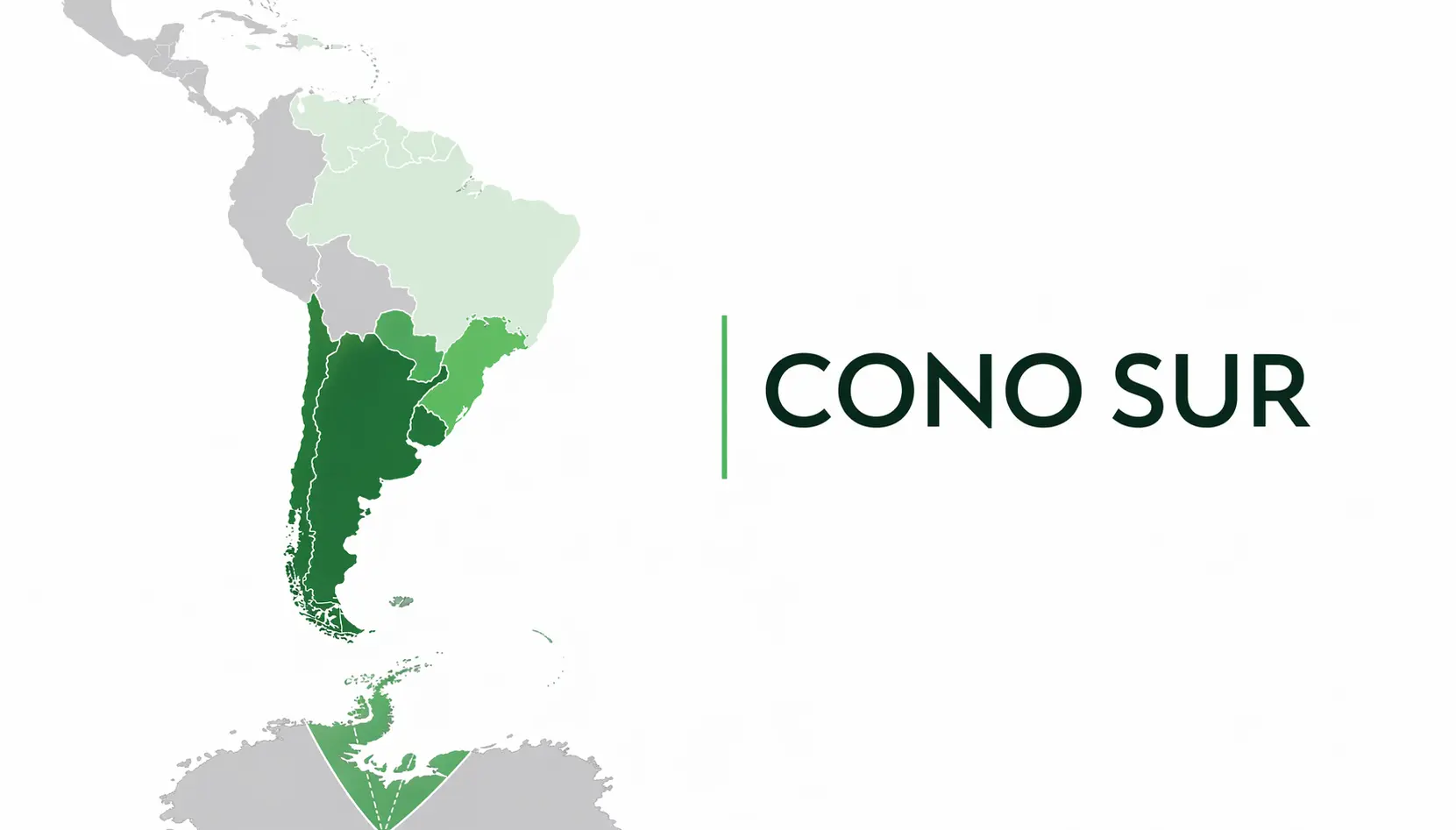
Infrastructure, resources and regulation create regional systems that cannot be understood from a single-country perspective. Econosur follows the pressure points where market access, execution risk and industrial opportunity cross borders.
The Southern Cone is connected by operating systems, not by geography alone.
A river level in Paraguay can alter export costs in Argentina. A rail corridor in Uruguay can determine the economics of a pulp mill. Lithium projects in Chile and Argentina depend on different water systems and public authorities. Energy advantages in Argentina and Paraguay only become data-center capacity when grids, fiber, cooling, operators and contracts align.
Cross-border systems shaping the Southern Cone
The section is organised around cross-border market systems. Each lens links individual projects and companies to the infrastructure, regulation, financing, logistics and demand structures that determine regional outcomes.
Trade & Corridors
How goods, energy and infrastructure move through the region — from bioceanic corridors, the Paraná-Paraguay Waterway and port bottlenecks to gas corridors, river logistics, waterway dependencies, logistics asymmetries and the chokepoints that determine who can export and on what terms. The six-country transport outlook compares airports, ports, roads and railways through operating networks and documented project stages to 2035. The regional waterway analysis explains the multinational corridor, the deeper-Paraná analysis examines how additional draft could redistribute freight economics across Mercosur, and the Paraguay River Economy shows how the same system shapes a landlocked country’s exports, imports, ports and logistics risks. The Mercosur–India talks add an external market-access dimension to these regional trade systems.
Agriculture, Climate & Inputs
The Southern Cone produces food and agricultural commodities at global scale, but output depends on more than land. El Niño can redistribute rainfall, water availability and crop performance between production zones, while fertilizer sourcing, agrochemical pricing and imported inputs shape the cost side of the same system. Established vegetable-oil demand and product authorisations connect this system to India.
Forestry, Pulp & Industrial Infrastructure
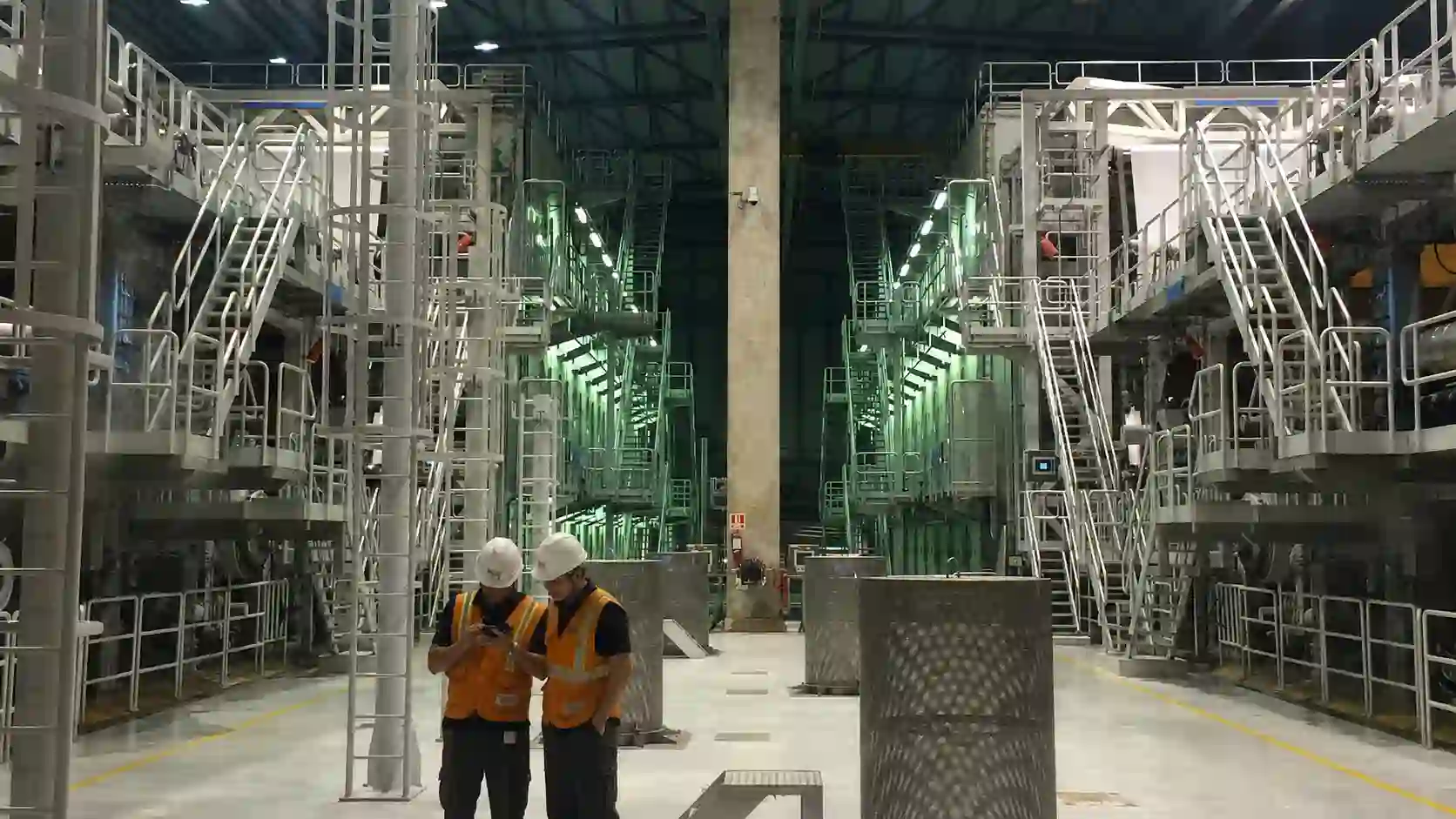
Pulp projects connect plantation control, mill financing, energy systems, railways, river ports, deep-sea terminals and execution risk. Uruguay and Paraguay show different ways to allocate these functions across the state, investors, operators and development banks.
Pharma & Health Industry
Pharmaceutical markets connect healthcare demand with regulation, import dependence, local production, generics, biosimilars, APIs, public procurement and EU-Mercosur trade rules. Brazil and Argentina matter differently, while Paraguay and Uruguay expose smaller-market access problems. India’s pharmaceutical industry adds a further dimension through trade talks and regulatory cooperation.
Energy & Resources
Oil, gas, copper, lithium, niobium, food and power systems are increasing the region’s strategic weight. The central question is how resource endowment becomes usable supply through infrastructure, processing, financing, logistics and long-term offtake.
AI Infrastructure & Compute
AI infrastructure is increasingly a site-readiness question. Power must be deliverable, grid-connected, cooled and linked to redundant fiber, while regulation, equipment access and project execution determine whether announced capacity becomes operating compute. Brazil, Chile, Argentina, Uruguay, Paraguay, Colombia and Peru now represent different models of that competition.
Lithium & Critical Minerals
The region combines lithium, copper, niobium, graphite, rare earths and other strategic minerals, but national investment models remain different. The emerging question is whether cross-border coordination can increase bargaining power while countries still compete for capital, processing and global buyers.
Automotive & Industrial Strategy
Brazil's production base, Chile's import market and Argentina's supplier pressure reveal a regional automotive shift between European legacy players, US brand history and Chinese expansion.
Digital Markets & Platforms
Marketplaces, payment systems, app ecosystems, logistics platforms, advertising channels and data infrastructures shape digital market access, platform dependency and competition across Latin America.
iGaming & Regulated Digital Markets
Online betting and gaming expose some of South America’s sharpest regulatory differences. Brazil, Colombia and Peru operate national authorisation systems, Argentina remains jurisdictionally fragmented, Paraguay is reforming its concession model, and Chile and Uruguay rely on much more restrictive approaches. Market access depends on licensing, taxation, technical compliance, payment rules and enforcement.
Political Economy
Mercosur as institutional framework, bilateral tensions, regulatory divergence, corridor competition, platform regulation and the gap between regional ambition and operational reality in trade, investment and digital-market policy.
Country Nodes
Argentina's macro instability, Brazil's scale, Paraguay's landlocked platform logic, Uruguay's small-market position, Chile's port and resource governance and Bolivia's corridor claims all propagate through the regional system.
Mercosur–India Trade Talks
Mercosur–India Trade Talks: Opportunities for Pharma, Agriculture and Industry
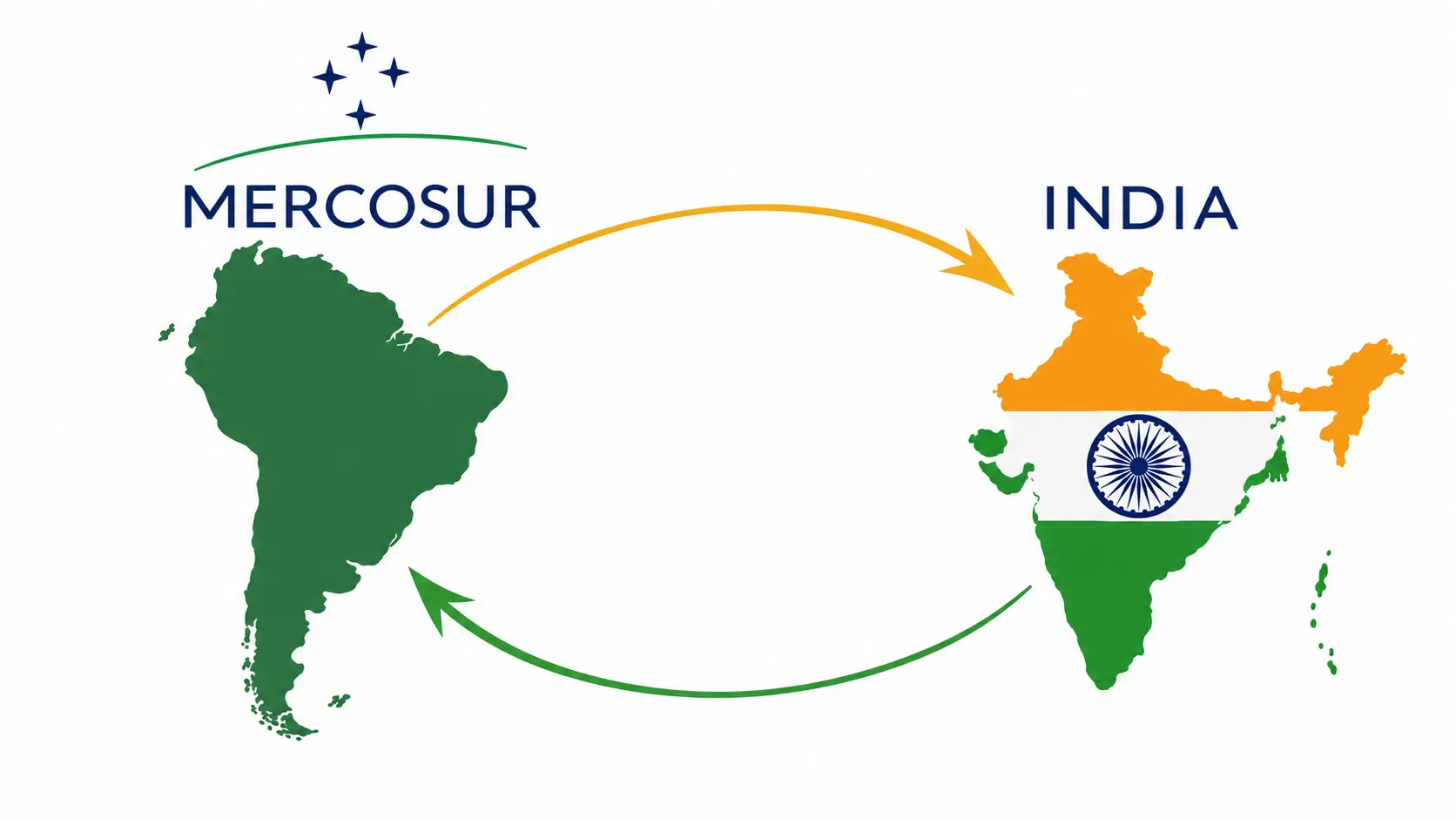
Mercosur and India are negotiating an expansion of their preferential trade agreement. Vegetable-oil trade, pharmaceutical regulation and industrial interests show where broader access could matter for companies in Brazil, Argentina, Uruguay and Paraguay.
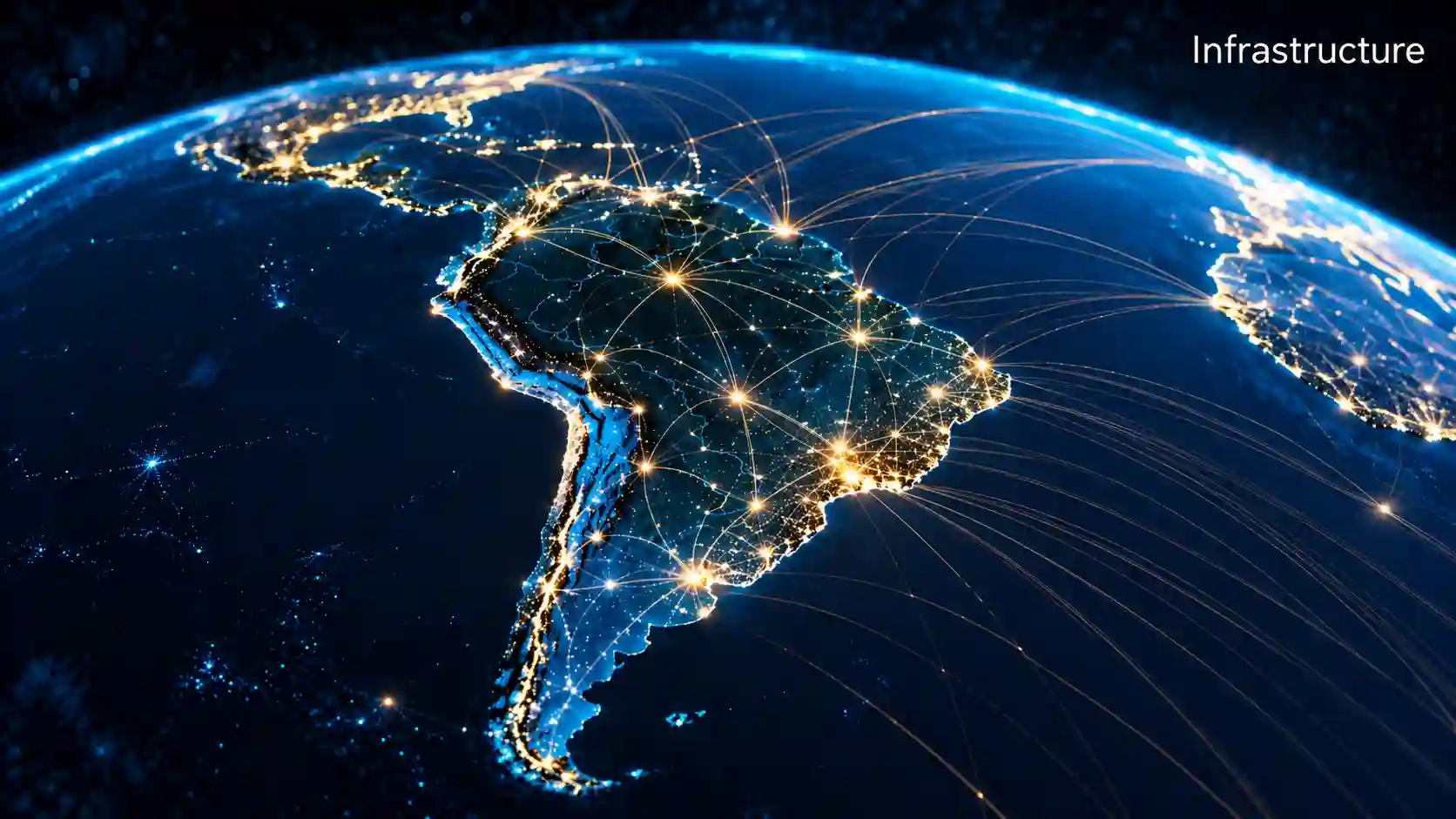
South America’s Transport Infrastructure 2035: A Six-Country Outlook
Airports, ports, roads and railways across Argentina, Bolivia, Brazil, Chile, Paraguay and Uruguay: operating networks, investment projects and the cross-border bottlenecks that could shape market access through 2035.
Who Benefits From El Niño in South America?
The 2026–27 El Niño is becoming exceptionally strong. Argentina’s corn and soybean producers show the clearest documented upside, while Chile, southern Brazil and Peru demonstrate why the economic impact depends on crop, location, water systems and value chain rather than country labels.

Can South America Compete for the Next Generation of AI Data Centers?
The United States, China and Europe still dominate installed data-center capacity. South America’s opportunity lies in the next build cycle: converting power, land and connectivity into grid-connected, permitted and commercially bankable AI infrastructure across Brazil, Chile, Argentina, Uruguay, Paraguay, Colombia and Peru.
Read AI data-center analysis →
South America’s Strategic Resource Advantage in a Fragmenting World Economy
South America is gaining strategic weight through expanding oil production, major copper and lithium supply, dominant Brazilian niobium output and a large food-export base. The commercial question is increasingly who controls the infrastructure, processing, finance and offtake routes that turn resource endowment into reliable supply.
Read strategic resources analysis →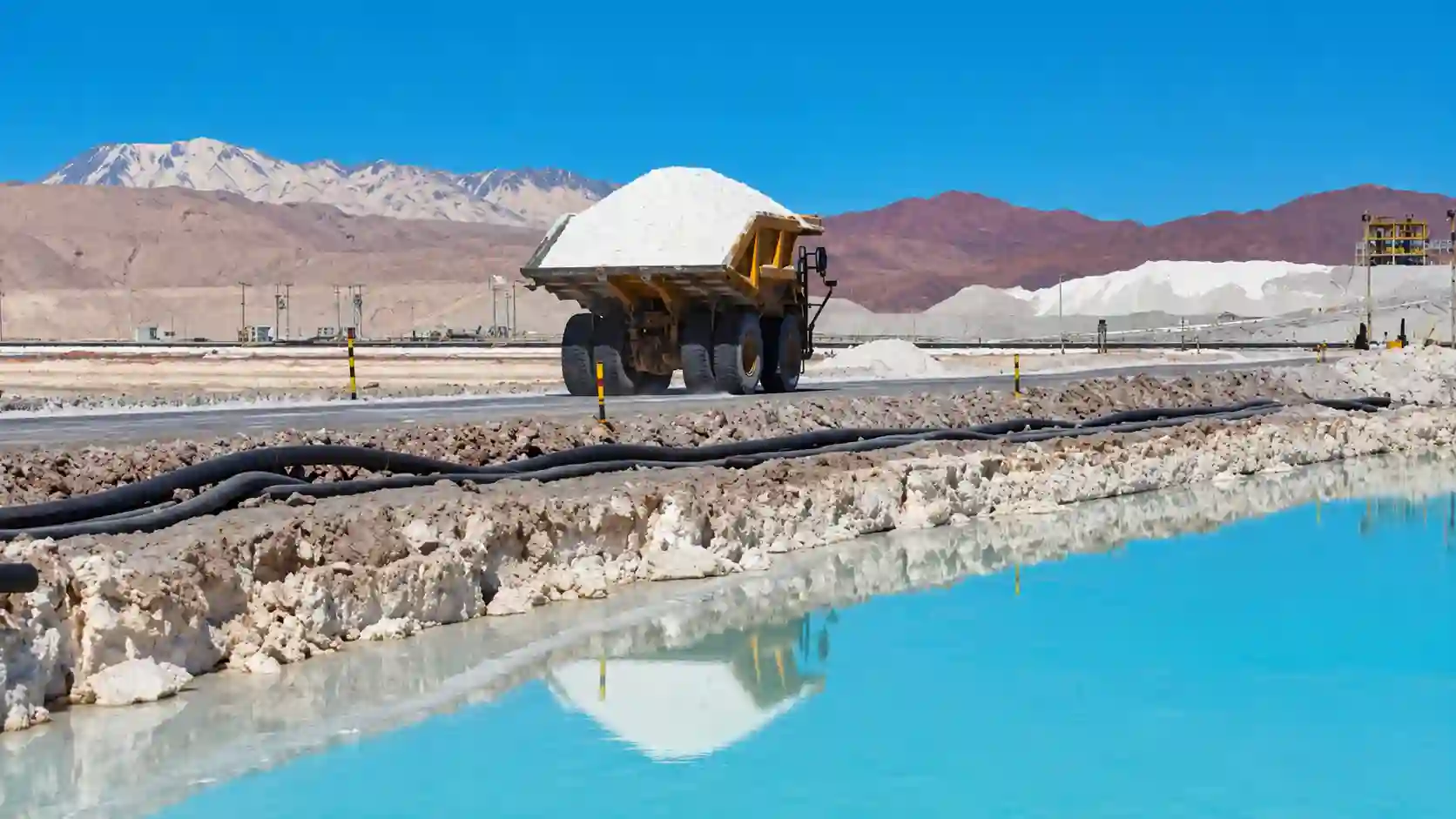
Why AI’s Cost Problem Could Reshape Data Center Investment in South America
AI inference is becoming cheaper per unit of capability while total compute demand, capital expenditure and electricity requirements continue to rise. Argentina, Brazil, Chile, Uruguay and Paraguay show five different ways in which power, grid access, cooling, water, fiber, finance and project execution shape the location economics of AI infrastructure.
Read AI infrastructure analysis →
How a Deeper Paraná River Could Reshape Mercosur Trade
Argentina’s new Paraná River concession includes staged deepening of the navigation route used by Gran Rosario, the world’s leading agro-export port node in 2025. The commercial question is not simply whether ships can load more cargo, but how deeper navigation changes freight economics, completion loading, Paraguay’s river access and downstream logistics across Mercosur.
Read Paraná analysis →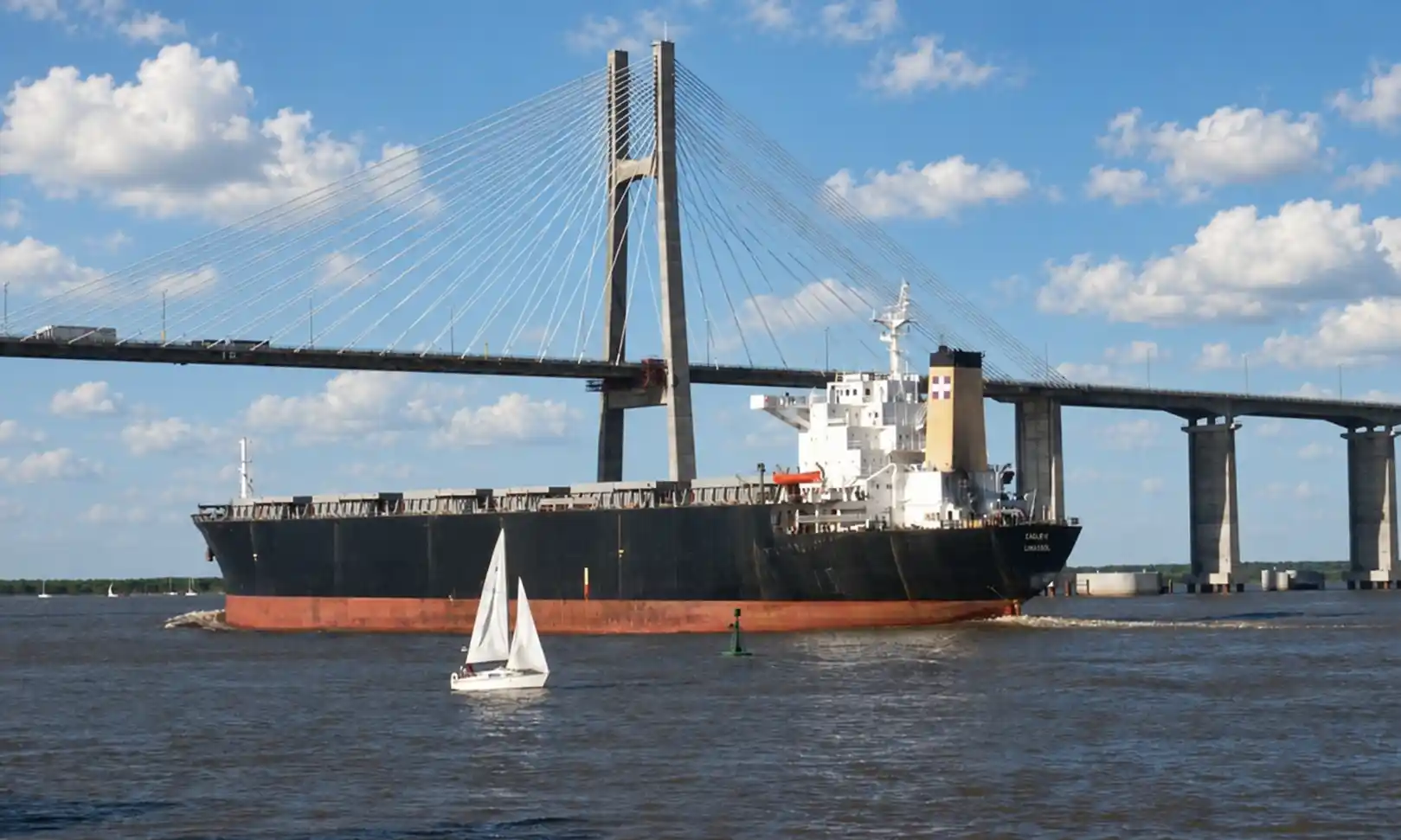
South America’s iGaming Industry: Seven Markets, Different Rules
South America’s online betting and gaming industry is developing through sharply different regulatory systems. Brazil, Colombia, Peru, Argentina, Chile, Paraguay and Uruguay differ on licensing, taxation, technical compliance, market access and enforcement — creating seven distinct operating environments rather than one regional market.
Read iGaming analysis →
How Global Shocks Are Reordering Mercosur’s Economic Map
Global fragmentation is changing the relative economic weight of sectors across Mercosur. Energy, critical minerals and selected agricultural exports are gaining strategic importance, while fertilizer dependence and parts of the region’s automotive value chain face stronger external pressure.
Read Mercosur analysis →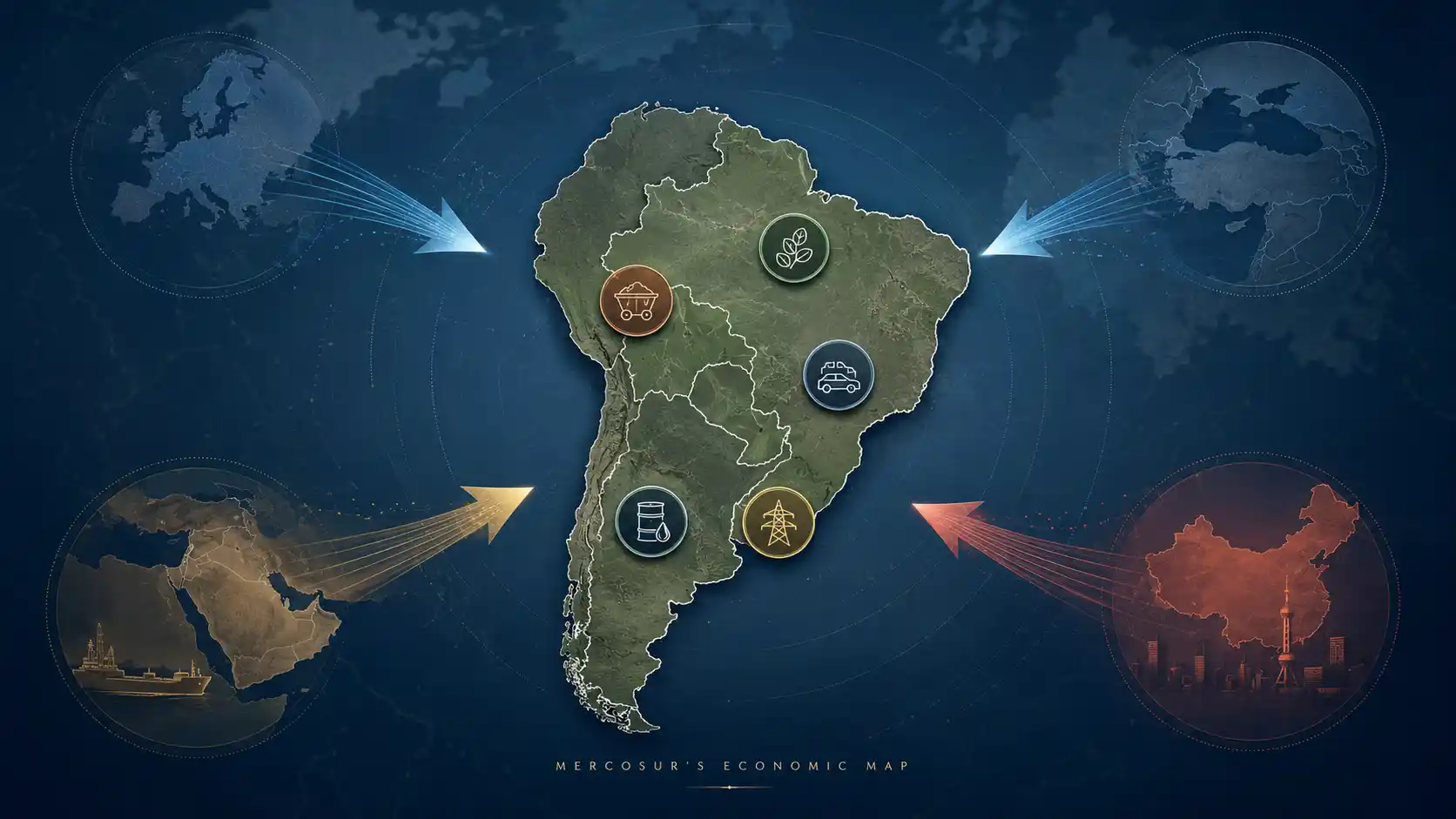
Regional analysis by Econosur
Each article identifies the countries, corridors, companies and infrastructure systems that must be read together.
Announcements, capacity, financing, construction, commissioning and stable production remain separate analytical stages.
The analysis connects regional developments to suppliers, investors, exporters, procurement teams and B2B market access.

May 2026 Archive 7 regional analyses
Mercosur Pharma Futures: Three Scenarios
Mercosur pharma is not one market. Brazil provides scale, Argentina brings industrial and biosimilar capacity, and the EU-Mercosur agreement could shift the region between integration, fragmentation and a biosimilar corridor.
Read pharma scenarios →
Bolivia Wants Back Onto the Bioceanic Map
Bolivia is trying to revive the Bioceánico Central as the Corredor de Capricornio advances through Brazil, Paraguay, northern Argentina and northern Chile. The deeper signal is a region of competing Atlantic-Pacific corridor geographies.
Read corridor analysis →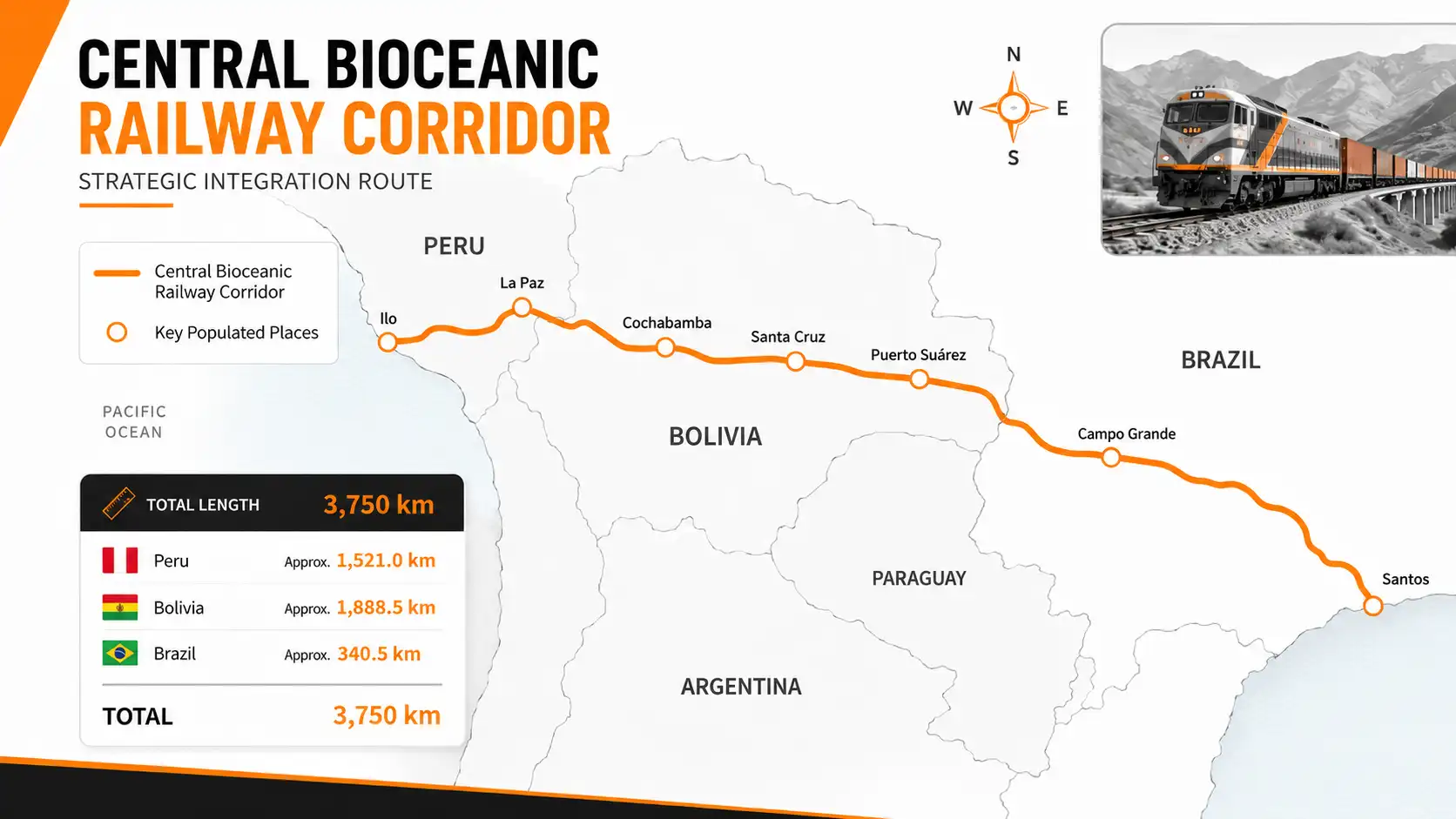
Vaca Muerta’s Brazil Question: Four Gas Corridors, One Strategic Test
Argentina has the gas and Brazil has the industrial demand. The strategic test is whether Vaca Muerta can reach Brazil through a corridor that is technically reliable, commercially viable and politically trusted.
Read gas corridor analysis →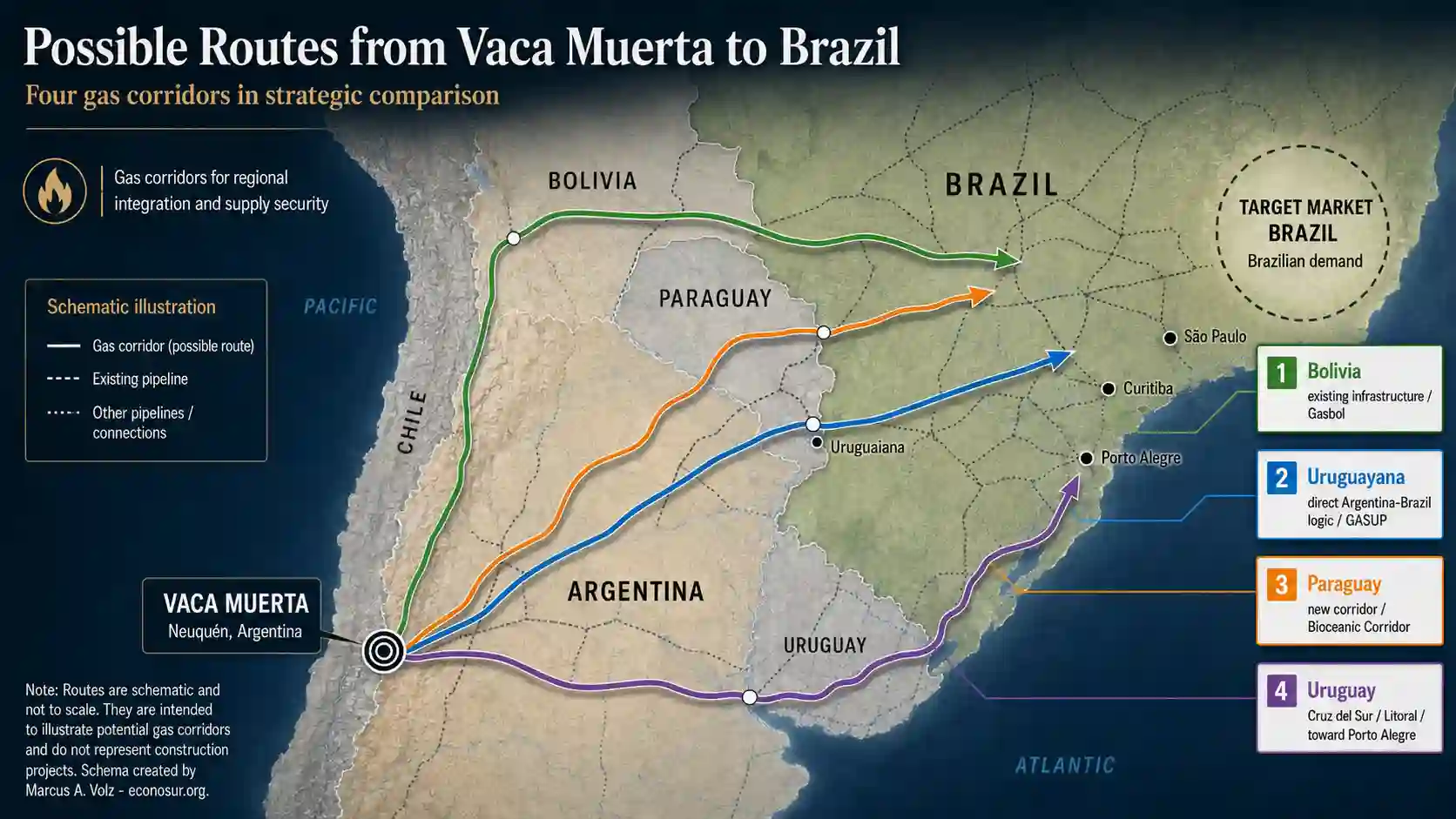
Argentina and Paraguay’s AI Infrastructure Bet: Can Energy Become Compute?
Argentina and Paraguay are trying to convert energy advantages into AI and data-center relevance. The real test is whether power, cooling, fiber, operators, financing and regional demand can align.
Read AI infrastructure analysis →
Latin America’s Platform Competition Problem: When Market Power Is Access, Data and Interoperability
Platform power in Latin America is not only about prices or market share. It is increasingly shaped by access, data, network effects, switching costs, interoperability and gatekeeper roles.
Read platform analysis →
Paraná-Paraguay Waterway: Logistics Corridor and Trade Flow
The Paraná-Paraguay Waterway is more than a river route. It links inland production in Argentina, Paraguay, Brazil and Bolivia with Atlantic export routes, shaping agribusiness, logistics and B2B market access across the Southern Cone.
Read waterway analysis →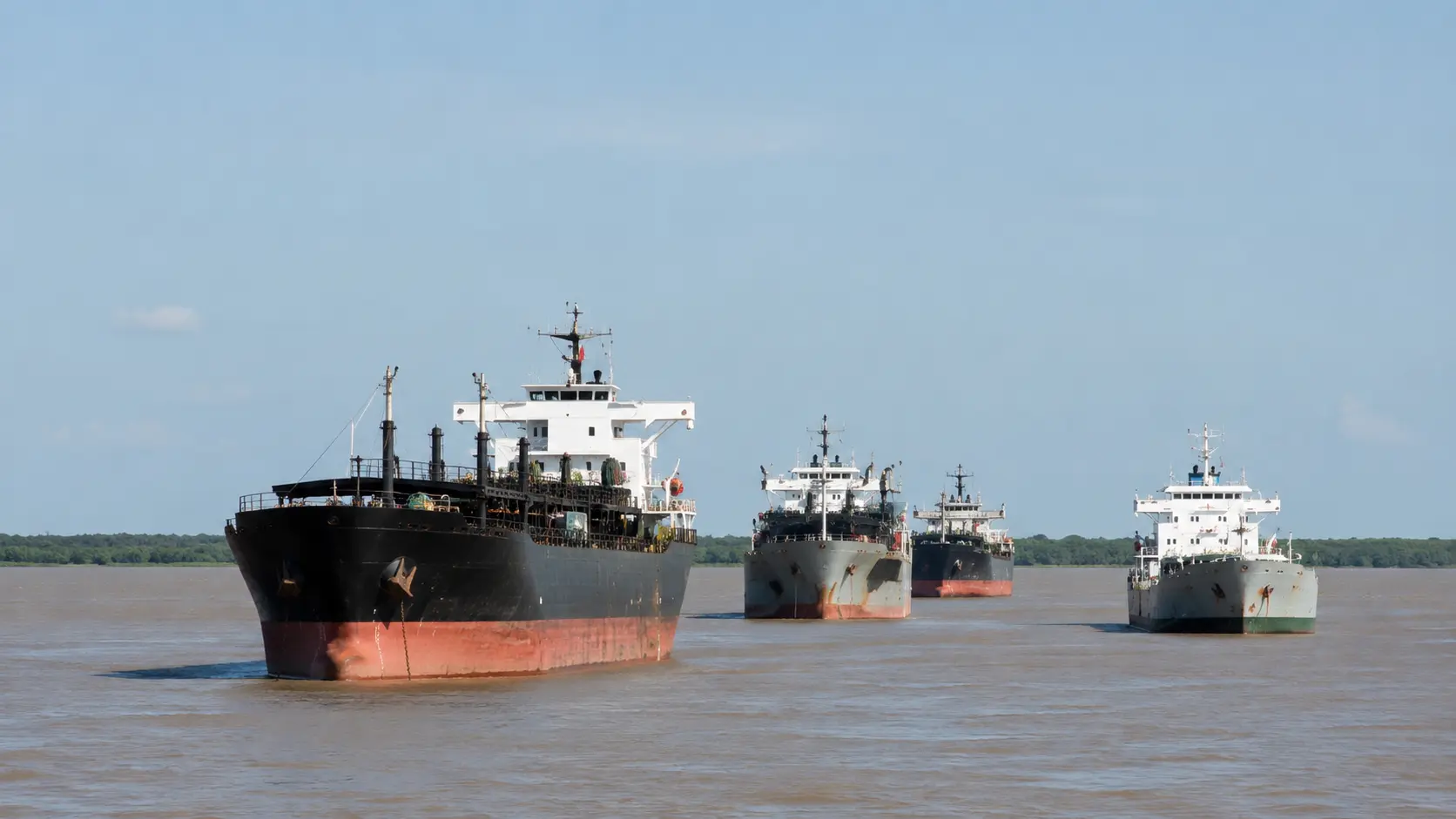
Europe, the US and China: Who Is Rewriting South America’s Car Market?
South America is no longer only a sales market for foreign car brands. Brazil becomes the industrial battlefield, Chile works as an import and brand laboratory, and Argentina exposes the fragility of older supplier structures.
Read automotive analysis →
April 2026 Archive 2 regional analyses
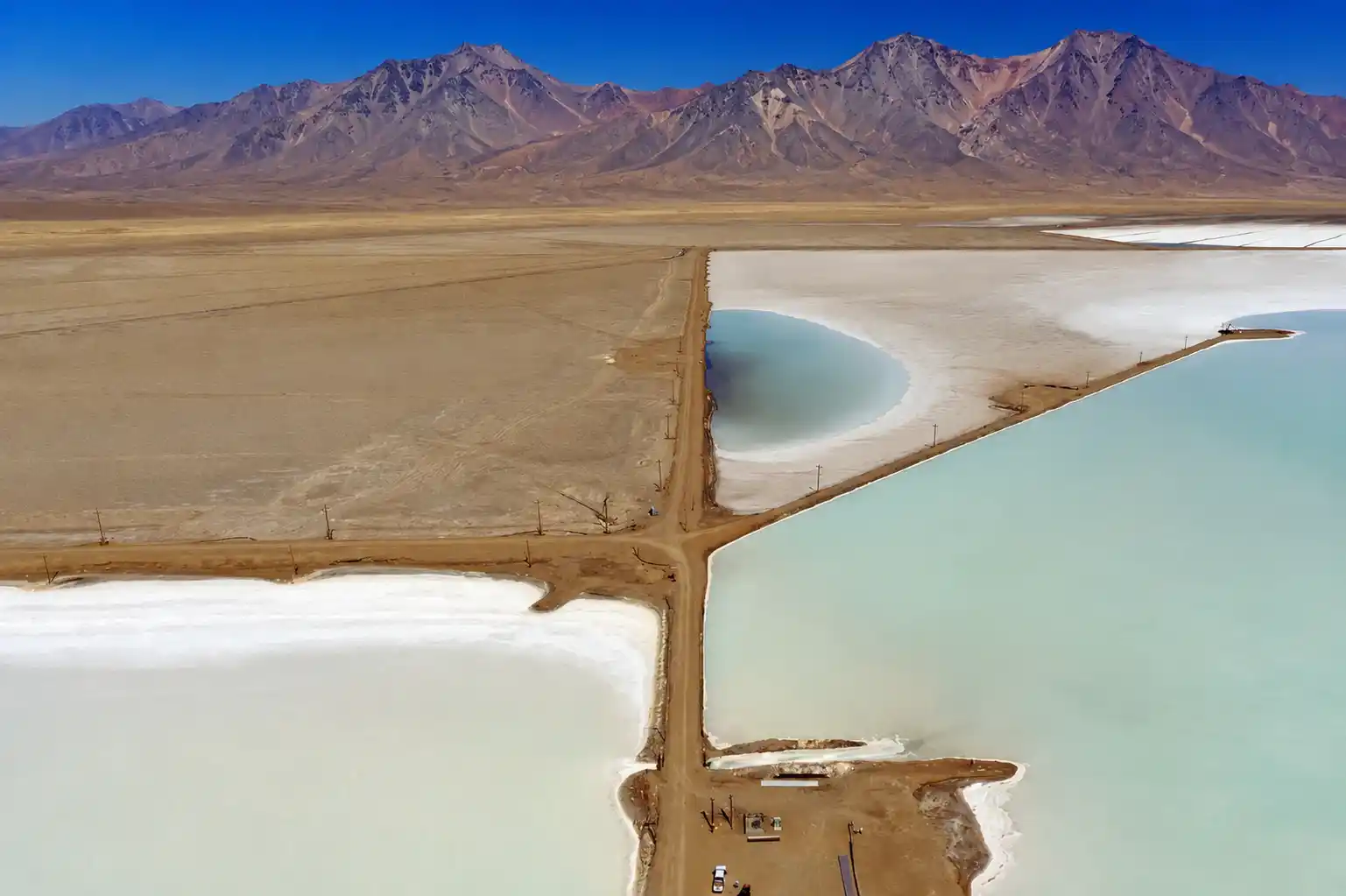
Lithium Is Not One Market: Chile, Argentina and Bolivia Follow Three Different Investment Logics
The Lithium Triangle is often treated as one resource region. But Chile, Argentina and Bolivia follow different investment logics: regulated coordination, provincial acceleration and state-led centralization.
Read lithium analysis →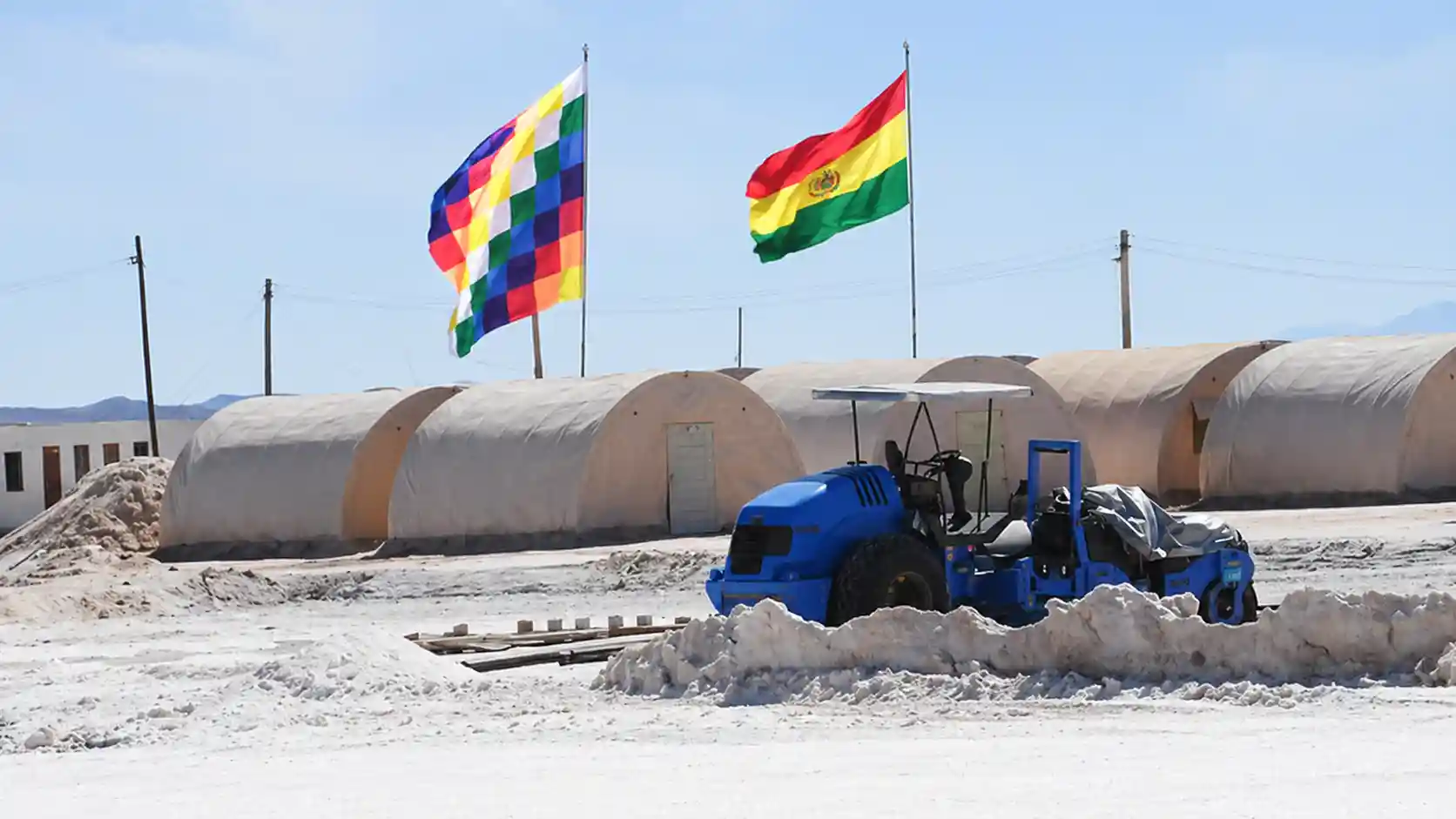
Mercosur Agriculture and the Illusion of Regional Autonomy
The Southern Cone exports food at scale. Yet it depends on imported fertilizers, geopolitically controlled sea routes, and corridors it cannot protect. Output and sovereignty are not the same thing.
Read agriculture analysis →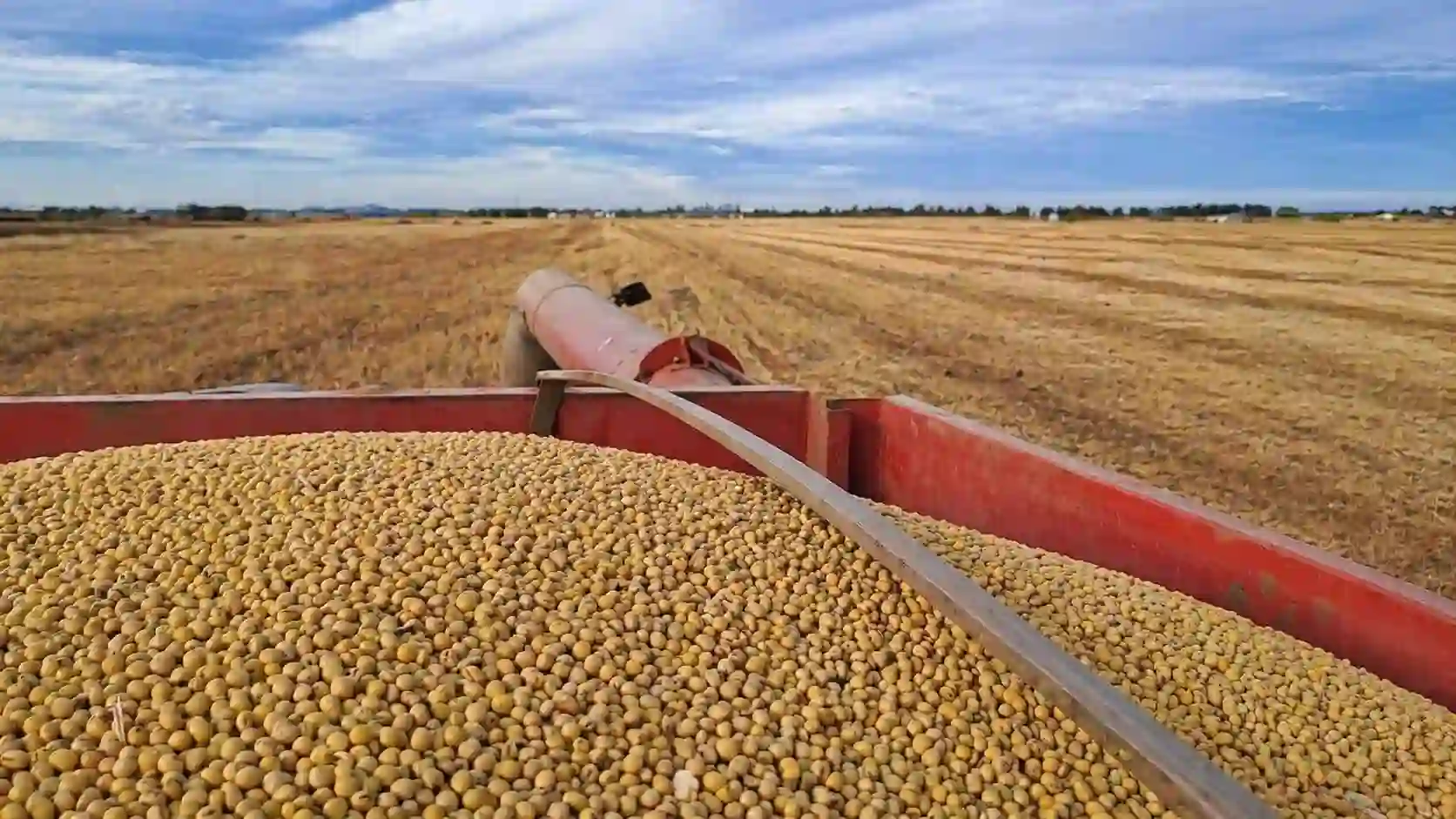
Questions behind the Cono Sur analysis
What does Econosur mean by Cono Sur?
Econosur uses Cono Sur to describe the Southern Cone as a cross-border economic and operational system. The focus is not only on individual countries, but on the trade corridors, resource flows, logistics routes, input dependencies, energy systems, digital platforms and regulatory tensions that connect Argentina, Brazil, Paraguay, Uruguay, Chile and Bolivia.
Why is the Southern Cone more than a geographic label?
The Southern Cone functions through shared infrastructure, river corridors, agricultural supply chains, lithium governance, energy systems, industrial production networks and external dependencies. These patterns cannot be understood fully when each country is analyzed in isolation.
How can El Niño create economic winners and losers within the same South American country?
El Niño changes rainfall, water availability and ocean conditions unevenly across production regions and sectors. Argentina can see better conditions for corn and soybeans while poorly drained areas face excess-water risk; southern Brazil can experience beneficial rain in one wheat region and damaging excess rain in another. The commercial effect therefore depends on crop, location, infrastructure and value chain rather than a country-wide label.
Why is the Paraná-Paraguay Waterway strategically important?
The Paraná-Paraguay Waterway connects inland production zones in Paraguay, Brazil, Bolivia and Argentina with Atlantic export routes. It shapes logistics costs, export access, agribusiness competitiveness and regional market power across the Southern Cone.
How could a deeper Paraná River change Mercosur trade?
A deeper lower Paraná could allow some ocean-going vessels to load more cargo at Gran Rosario, reduce part of the need for downstream completion loading and change the economics of ports and transshipment nodes farther south. The effect also matters to Paraguay because much of its foreign trade depends on the wider Paraná-Paraguay waterway system.
Why do bioceanic corridors matter for the Southern Cone?
Bioceanic corridors matter because they change how Brazil, Bolivia, Paraguay, northern Argentina, Chile and Peru connect Atlantic production zones with Pacific ports. They are not only transport projects; they create competing route geographies, logistics platforms, bypassed territories and new bargaining positions inside the regional system.
Why is lithium not one single market in the Southern Cone?
Lithium in Chile, Argentina and Bolivia is governed by different institutional models, investment rules and execution logics. Treating the Lithium Triangle as one uniform market hides the operational and political differences that determine project risk and investment outcomes.
Why does water infrastructure matter for lithium regions?
Water infrastructure matters because lithium expansion in Argentina and Chile depends on brine handling, freshwater use, desalinated seawater, pumping systems, treatment plants, reinjection, monitoring, permitting and local trust. These systems shape project risk, supplier demand and the execution logic behind lithium production.
Why could AI costs reshape data-center investment in South America?
AI inference is becoming cheaper per unit while total compute use, capital expenditure and electricity demand continue to rise. That makes the location of compute more dependent on the full infrastructure system: generation, grid access, substations, cooling, water, fiber, finance, regulation and project execution. Argentina, Brazil, Chile, Uruguay and Paraguay currently represent different stages of that infrastructure buildout.
Can South America compete for the next generation of AI data centers?
South America cannot yet match the United States, China or Europe in installed data-center scale. Its opportunity is to compete for selected new AI workloads where large power blocks, grid access, low-carbon electricity, land, fiber, cooling, permitting and execution can be combined into bankable sites. Brazil and Chile have the deepest current ecosystems, while Uruguay, Paraguay, Argentina, Colombia and Peru represent different emerging models.
How do digital platforms affect market access in Latin America?
Digital platforms shape visibility, payments, logistics, advertising access, data flows and customer relationships. In Latin America, platform power increasingly determines who reaches markets, who controls buyer access and where dependency replaces open competition.
Why does Econosur analyze automotive shifts at a regional level?
South America’s automotive market is shaped by different country roles: Brazil as a production base, Chile as an import and brand laboratory, and Argentina as a market with supplier and macroeconomic pressure. These roles reveal a regional shift between European legacy players, US brand history and Chinese expansion.
Why does pharmaceutical industry analysis belong in the Cono Sur hub?
Pharmaceutical industry analysis belongs here because pharma links market size, regulation, import dependence, local production, biosimilars, generics, public health systems and the EU-Mercosur trade framework. It is a regional market-structure question, not only a national healthcare topic.
Why compare pulp infrastructure across Uruguay and Paraguay?
UPM, Montes del Plata and Paracel reveal different ways to distribute industrial risk. UPM depends on a state-backed rail corridor and a company-operated port terminal, Montes del Plata integrates the mill, energy and export port, and Paracel is building enabling infrastructure before the planned pulp mill is fully realised.
Why is South America’s iGaming industry best analysed as separate national markets?
Online betting and gaming operate under sharply different regulatory architectures across South America. Brazil, Colombia and Peru use national authorisation systems, Argentina is fragmented across provincial jurisdictions, Paraguay is moving through a concession reform, and Chile and Uruguay maintain much more restrictive models. Licensing, taxation, technical rules and enforcement therefore differ materially from one market to another.
Why are South America’s strategic resources becoming more important?
South America combines expanding oil production, major copper and lithium output, dominant Brazilian niobium production and a large agricultural export base. In a more fragmented world economy, the strategic value of those resources depends increasingly on infrastructure, processing, financing, logistics and long-term offtake relationships.
Who is this hub useful for?
This hub is useful for readers who need to understand the Southern Cone as a market system: companies, analysts, investors, exporters, procurement teams, policy observers and B2B decision-makers looking beyond single-country narratives.
The Cono Sur section covers regional systems rather than treating every country identically. New analyses can be added across strategic resources, logistics, forestry, mining, energy, agriculture, industry, pharma, digital infrastructure, iGaming and platform markets without allowing one subject to dominate the entire hub.
Econosur is an independent English-language platform for strategic market insights, company analysis and regional research across South America — designed for international decision-makers who need evidence-led analysis grounded in the region.