
Brazil Market Insights
Independent analysis of Brazil’s industries, companies, resources, financing systems and international economic relationships. Econosur examines how national scale is translated into production, offshore energy, decommissioning, procurement, supply chains, infrastructure, critical-minerals strategy, forestry and wood processing, agriculture, carbon markets, climate finance and regional influence.

Current and archived Brazil analysis for international readers who need to understand industrial systems, offshore investment, procurement, financing choices, resource strategy and regional economic role.
Econosur reads Brazil through industry, resources, production geography, energy systems, capital markets, climate-finance instruments and the structural role the country plays in South American market logic, including the growing offshore decommissioning cycle.
The focus is not only GDP size or political cycles, but the operating structures behind procurement, industrial continuity, vertical integration, regulation, financing choices, supplier systems and market resilience.
Brazil matters for Mercosur, the wider Southern Cone and cross-border business because its scale changes logistics, supply chains, offshore investment, industrial competition, green finance and regional financing options.
Current Econosur insights on Brazil
All Brazil insights published during the current month remain visible in the current-analysis section. Only completed publication months are moved into the archive below.
Brazil’s Offshore Decommissioning Market: Where the Next Supplier Cycle Is Starting
Brazil’s offshore retirement cycle is becoming a supplier market of its own. ANP projects around R$70 billion of decommissioning investment for 2025–2029, while Petrobras, Trident Energy, OceanPact, ports, shipyards and recyclers are already turning end-of-life obligations into engineering, subsea, marine-services, dismantling and recycling demand.
Read the offshore decommissioning analysis →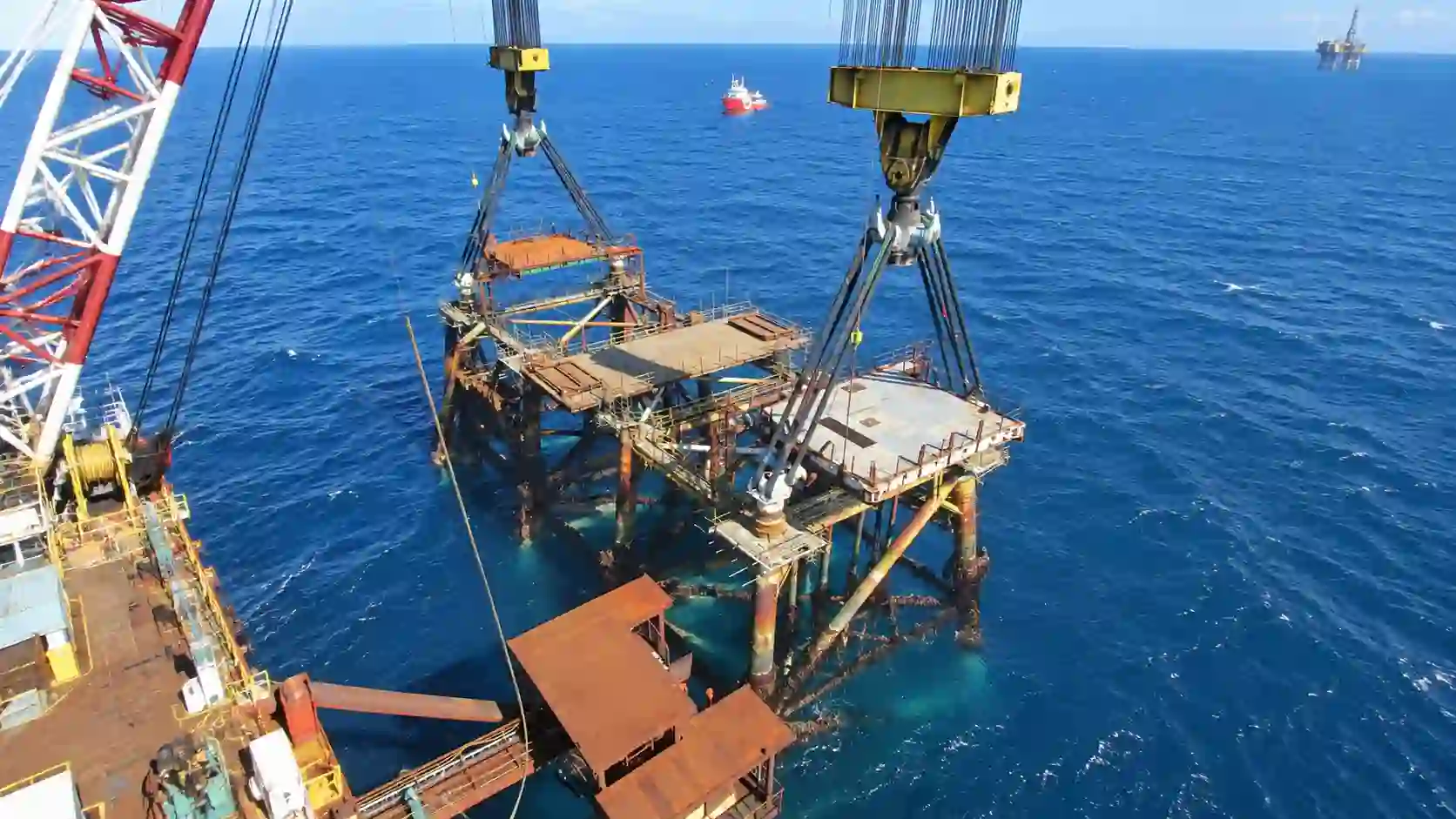
Google and Terradot in Brazil: How Rice Fields and Basalt Are Creating a Carbon Removal Value Chain
Google’s long-term agreement with Terradot combines methane reduction in rice cultivation with enhanced rock weathering across more than 200,000 hectares, starting in Rio Grande do Sul. Econosur examines how quarries, logistics, farmers, laboratories, verification and a global buyer are being linked into a larger carbon-removal value chain.

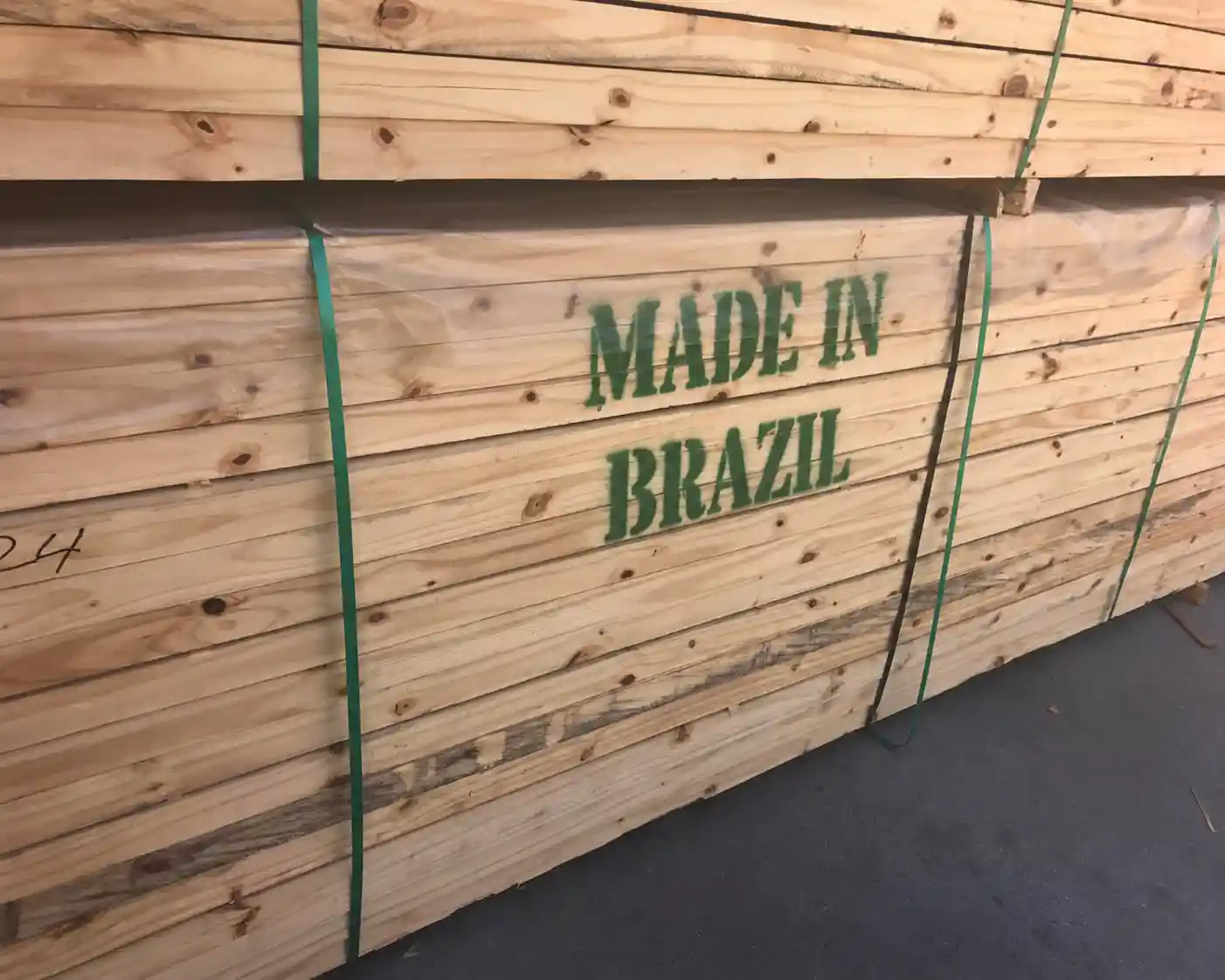
Brazil’s Wood Industry Is Rebalancing: Where the Supplier Opportunity Sits in Paraná
Paraná combines plantation scale, pinus processing, plywood exports and direct port access. Econosur examines why export concentration, plant productivity and higher-value processing are making automation, material handling, maintenance, quality control and industrial technology more relevant to the state’s wood-processing cluster.
Brazil’s REDATA: Tax Incentives Meet Power, Water and Local-Capacity Rules
Brazil’s proposed REDATA regime lowers the tax cost of qualifying data-center equipment, but ties the incentive to electricity sourcing, water efficiency, domestic computing capacity and R&D. Econosur examines why grid access, cooling and project geography will determine which announced investments can actually become operating capacity.

August 2026 5 analyses
Brazil’s Rare Earth Project Pipeline: From Pela Ema to Caldeira, Carina, Colossus, Ema and Monte Alto
Brazil no longer has a single rare-earth development story. Pela Ema is producing, while Caldeira, Carina, Colossus, Ema and Monte Alto sit at different stages of feasibility, permitting, financing and project execution. Econosur compares six projects — and tracks the harder question of where separation and downstream value will actually be captured.

Brazil’s Critical Minerals & Rare Earths: Projects, Processing and Supply Chains
Brazil’s rare-earth story is shifting from resource potential toward a real project pipeline. Serra Verde is already producing, advanced projects are moving through feasibility and permitting, and the strategic question is whether Brazil can convert mining growth into separation, refining and downstream industrial capacity.

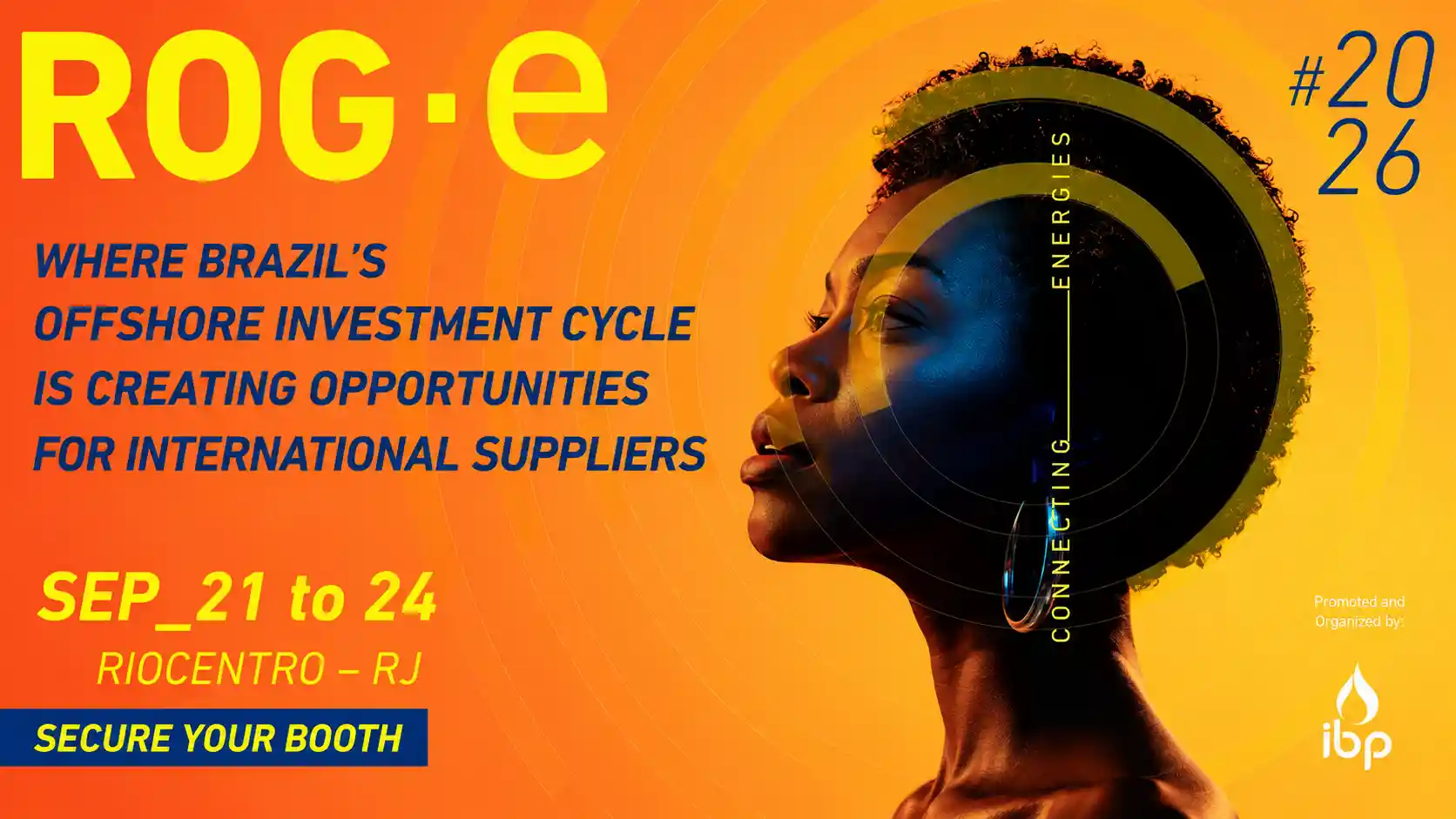
ROG.e 2026 and Brazil’s Offshore Supply Chain: Investment, Procurement and Market Access
Brazil’s offshore investment cycle is moving from project pipelines into procurement. Ahead of ROG.e 2026, Econosur examines Petrobras investment, subsea and vessel demand, supplier qualification and the market-access questions international equipment and service companies need to answer before committing resources.
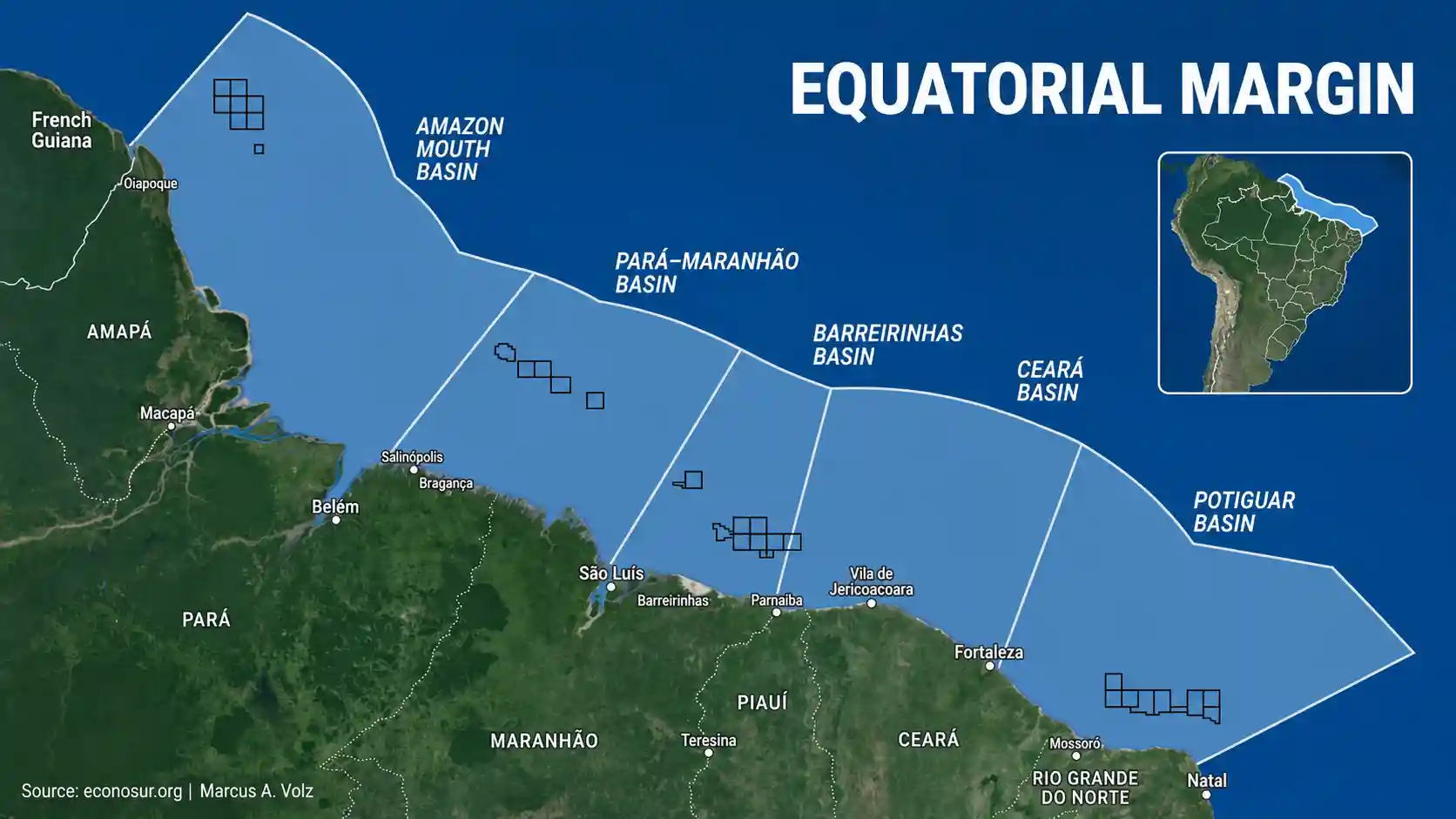
Brazil’s Equatorial Margin: Where Will the Offshore Supply Chain Be Built?
Petrobras’ Morpho discovery has moved Brazil’s Equatorial Margin from geological promise toward a concrete infrastructure and supplier question. Amapá must now be read through ports, road access, offshore logistics, vendor capacity and the unresolved choice of where a future operating base could be built.
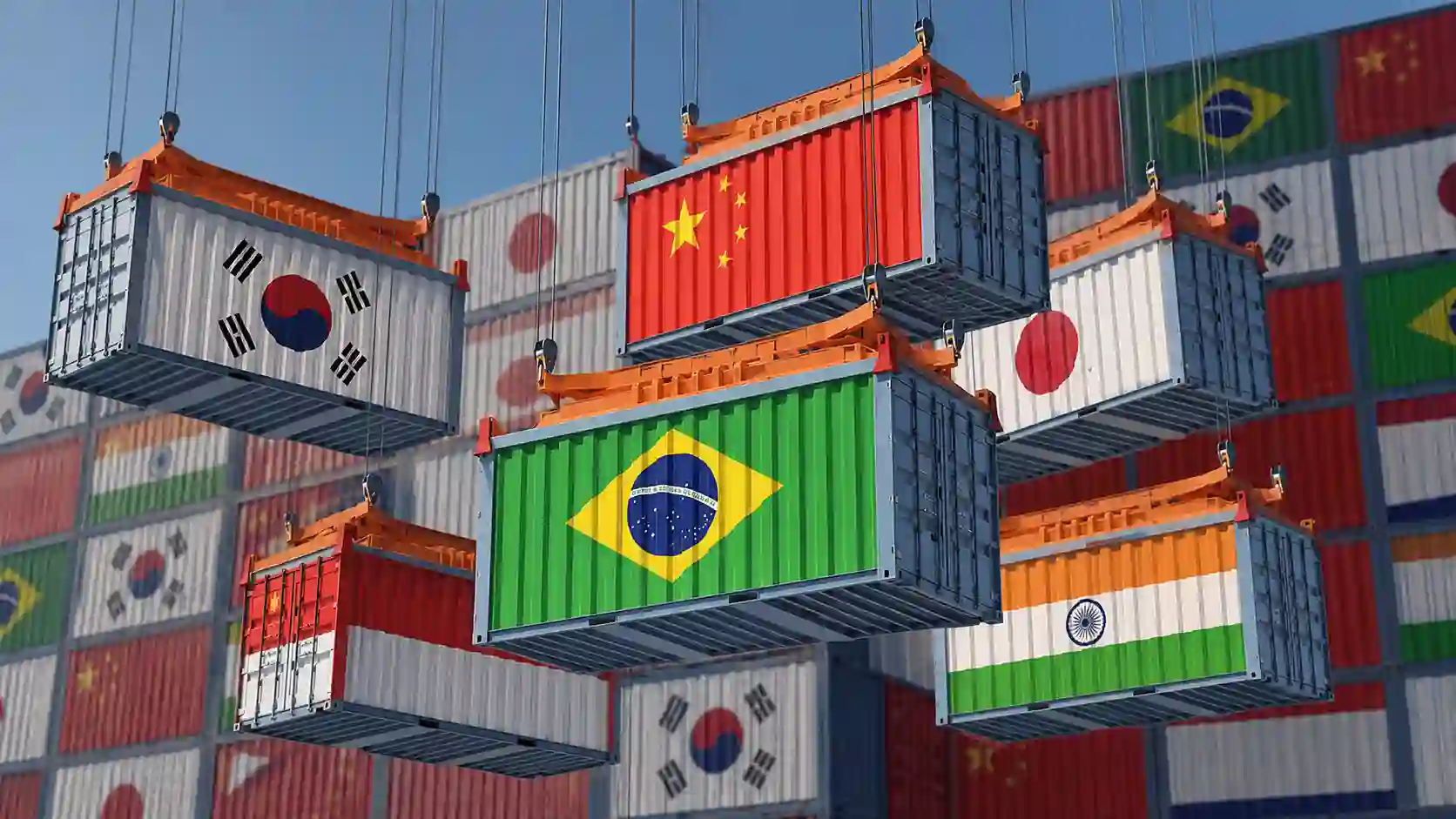
Brazil’s Asia Pivot Is Broader Than China
Brazil is not replacing China. It is building different economic channels around China’s scale: South Korea brings industrial technology and mineral-processing cooperation, while Japan adds a new trade and supply-security channel. Critical minerals connect all three relationships, but each partnership serves a different commercial purpose.

June 2026 2 analyses
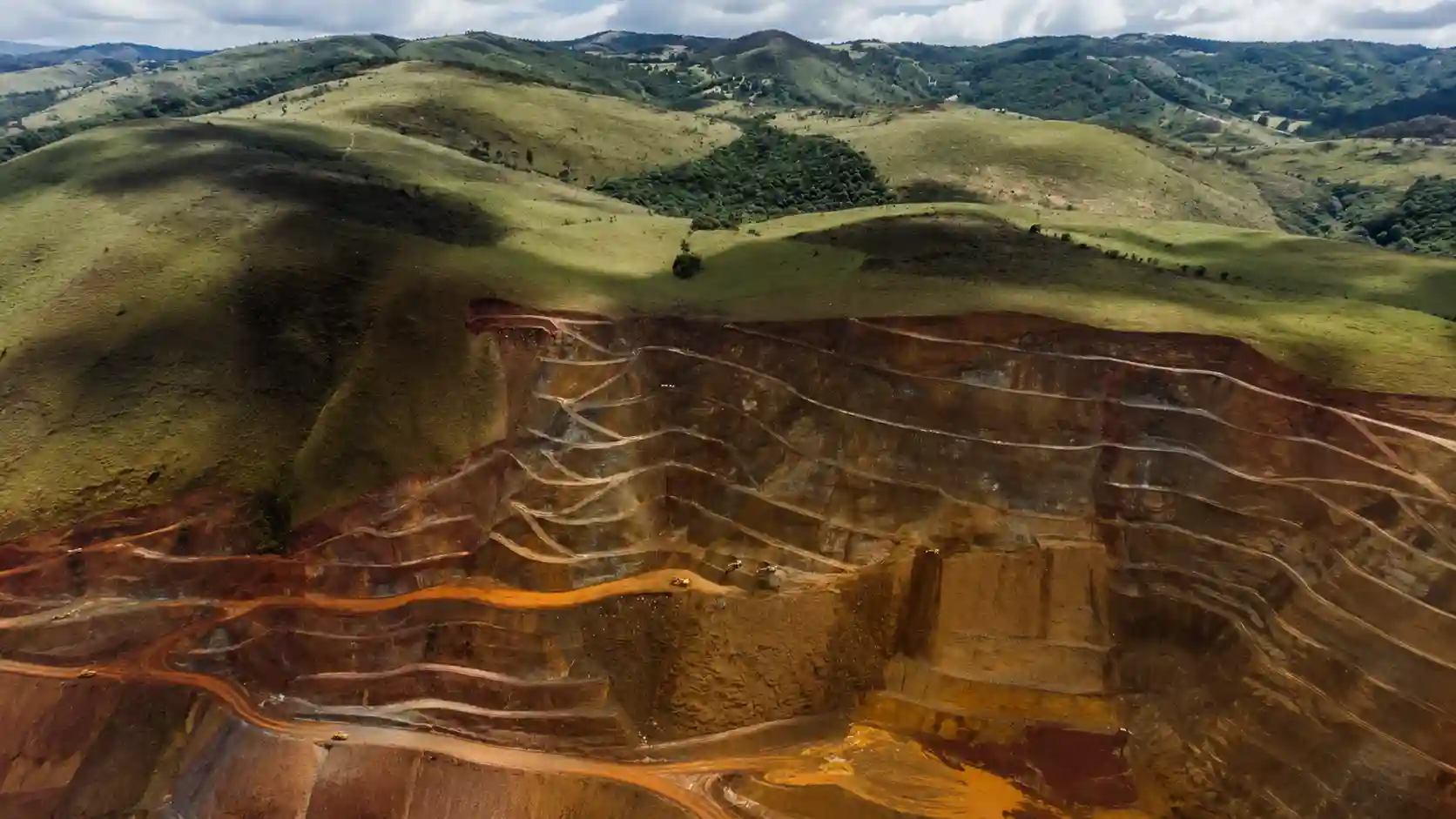
Brazil’s Critical Minerals Question: Can Minas Gerais Become Europe’s China Alternative?
China refines more than 90% of the world’s rare earths. Brazil holds some of the largest reserves on the planet. Minas Gerais is becoming the test of whether geology can become processing, offtake, financing and a credible non-China supply chain.
Brazil’s First Panda Bond: Yuan Finance and China Strategy
Brazil is preparing its first sovereign Panda bond in China. The move widens sovereign funding options, deepens China ties and tests whether the yuan can become a practical capital-market channel for Brazilian issuers.

April 2026 3 analyses
Blumenau and the Long View: What the Itajaí Valley Reveals About Industrial Continuity
Santa Catarina posted Brazil’s highest industrial growth rate in 2024. Blumenau and the Itajaí Valley show how settlement history, enterprise culture and regional production structures can continue to shape industrial performance.

Faber-Castell in Brazil: What a Pencil Forest Teaches About Competitive Advantage
On 10,000 hectares in Minas Gerais, Faber-Castell grows its own timber for the world’s largest pencil factory. The case shows how vertical integration and long investment horizons can create structural resilience.

Green Gas in Brazil: How Waste Is Becoming a Scalable Energy Model
Brazil’s biomethane sector is moving from experiment to infrastructure. A blending mandate, projected investment and an evolving regulatory framework are creating the conditions for scale, while installed capacity still lags behind policy ambition.

Brazil as market structure, not just country size
Econosur covers Brazil through industrial structure and enterprise continuity, offshore oil and gas, offshore decommissioning, energy infrastructure, procurement, supplier networks, vertical integration in forestry, wood processing, agribusiness and manufacturing, agricultural carbon markets, carbon removal, energy transition, biomethane, critical minerals, climate finance, regulation, regional production systems, capital-market shifts and the market dynamics that shape Brazil’s position in South America.
- industrial continuity and regional production clusters
- offshore investment, decommissioning, procurement and supplier structures
- ports, logistics, offshore vessels and energy infrastructure
- trade fairs, supplier intelligence and on-site market research
- climate finance, green value chains and industrial policy
- agriculture, carbon removal and emerging farm-to-credit value chains
- critical minerals, rare earths and processing pathways
- forestry, wood processing, pulp, paper and vertically integrated supply chains
- energy transition, biomethane and infrastructure regulation
- capital markets, China finance and sovereign funding diversification
- Brazil’s role in Mercosur, trade corridors and regional scale effects
Econosur
Econosur provides strategic market insights, market-structure analysis and regional intelligence for South America. It connects country dynamics, sector scenarios, trade corridors, offshore energy, decommissioning, industrial supply chains, procurement, agriculture, critical minerals, climate finance, pharma, digital infrastructure, capital-market shifts and the commercial conditions behind project execution.
The platform is built for international readers, companies, analysts and decision-makers who need grounded market analysis — not generic macroeconomic summaries.