
Chile
Chile is one of South America’s most diversified and institutionally distinctive markets. Mining remains central, but the country also combines logistics, ports, water and energy infrastructure, aquaculture, technology, natural-resource value chains, earthquake resilience, Pacific trade and China-linked demand.
Econosur connects those layers through country analysis, industry pages, company insights and project cases. The coverage expands across sectors while keeping each company, project and infrastructure system in its wider Chilean context.

Chile’s market structure links established industries, infrastructure systems, state institutions, private operators, Pacific trade and external demand.
Copper and lithium are central, but Chile also matters in aquaculture, technology, marine resources, energy, infrastructure, services and export-oriented value chains.
Desalination, electricity, transport, earthquake standards and project execution shape the operating environment across multiple sectors.
Chile’s trade model creates market access and diversification opportunities, but also strong dependence on Asian demand and global value chains.
Chile through industries, companies and infrastructure
Chile is analysed through the interaction of industries, companies, infrastructure and commercial access. Mining remains central, but project execution also depends on power, water, ports, logistics, regulation, suppliers and external demand.
Chile by industry and market system
The coverage expands as new sectors and projects become relevant. Each topic is connected to the wider operating environment rather than treated as an isolated market.
Production, state participation, private operators, water constraints, project execution and external demand.
Green hydrogen and ammonia, renewable curtailment, HVDC and 500 kV transmission, utility-scale storage, desalination, pumping systems and infrastructure ownership models.
Chile’s trade freedom, Asian exposure, mineral demand and position between Pacific and regional integration models.
Early-stage ecosystems, regional expansion, financing constraints and Chile’s role as a technology test market.
Salmon farming, productivity, fish health, processing, marine resources, sustainability costs, export structures and opportunities for greater local value creation.
How building codes, protocols, grids, public institutions and financial protection convert natural hazards into market risk.
Need company- or sector-level Chile analysis?
Econosur prepares company reports and custom market analysis covering ownership, project status, suppliers, buyers, infrastructure, governance and market access.
Explore Company ReportsChile analysis by Econosur
The newest Chile analysis appears first. Earlier work is organised by month so projects, companies and sector themes remain easy to follow over time.
Antofagasta combines an approximately US$40.7 billion mining investment pipeline with port, rail and inland-logistics expansion. The commercial question is where that investment is already becoming concrete supplier demand and where it remains conditional.
Read the latest Chile analysis →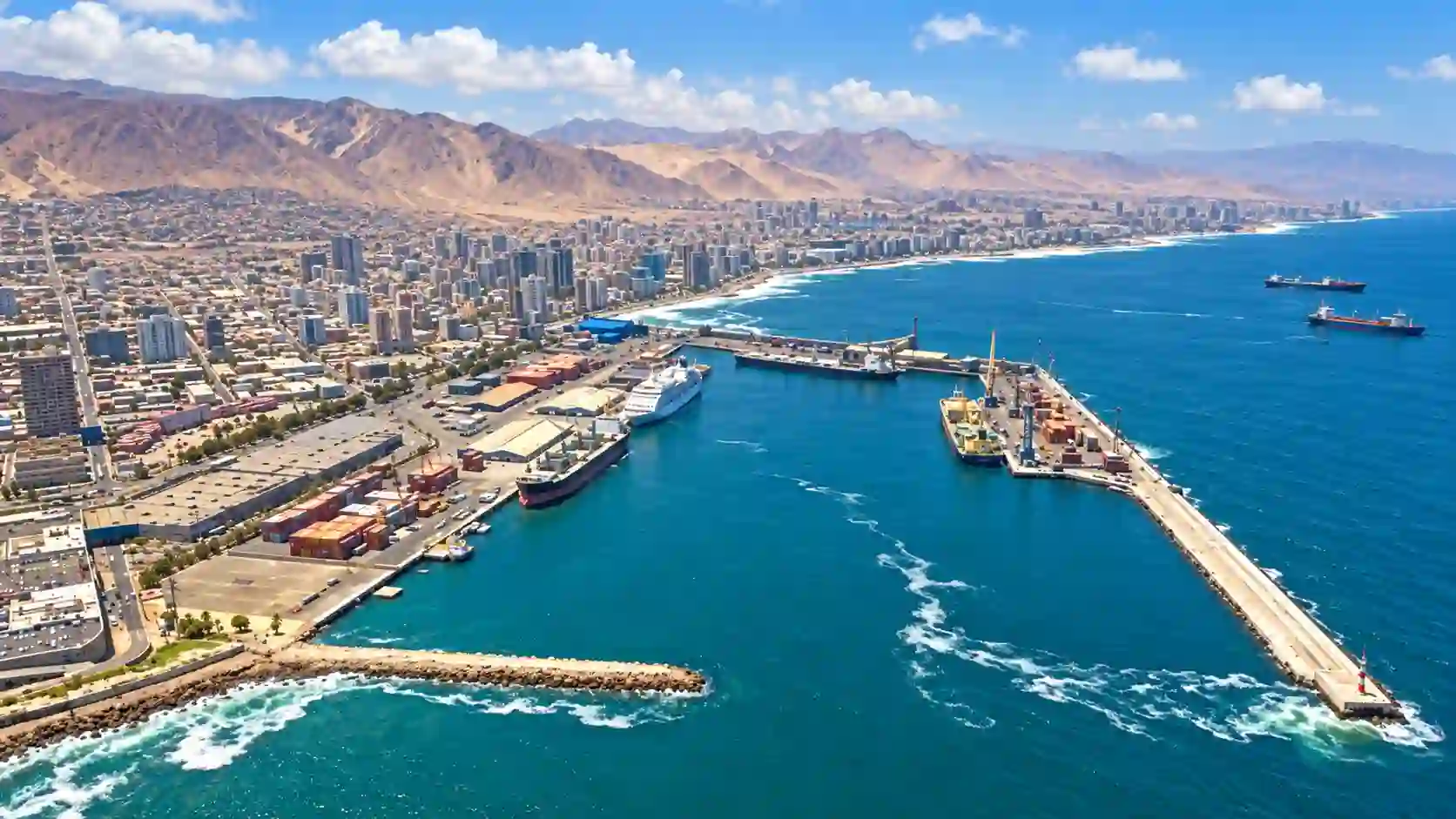
September 2026 archive
September analysis on salmon and aquaculture, green ammonia, hydrogen and export-oriented infrastructure.
Record salmon exports are exposing the limits of conventional production growth and increasing the value of efficiency, technology and aquaculture services in Chile.

HNH Energy has environmental approval for an integrated green-ammonia export system combining wind power, electrolysis, desalination, storage and port infrastructure. The next test is whether approval becomes bankable execution through permits, offtake, financing and procurement.

August 2026 archive
August analysis on mining investment, transmission, Kimal–Lo Aguirre, grid infrastructure and the capital requirements behind Chile’s next industrial cycle.
Chile’s US$104.5 billion mining portfolio is less a simple production boom than a capital-intensive reinvestment cycle: copper dominates spending, brownfield projects account for most of the pipeline, and new capacity increasingly depends on water, power, permitting and execution.
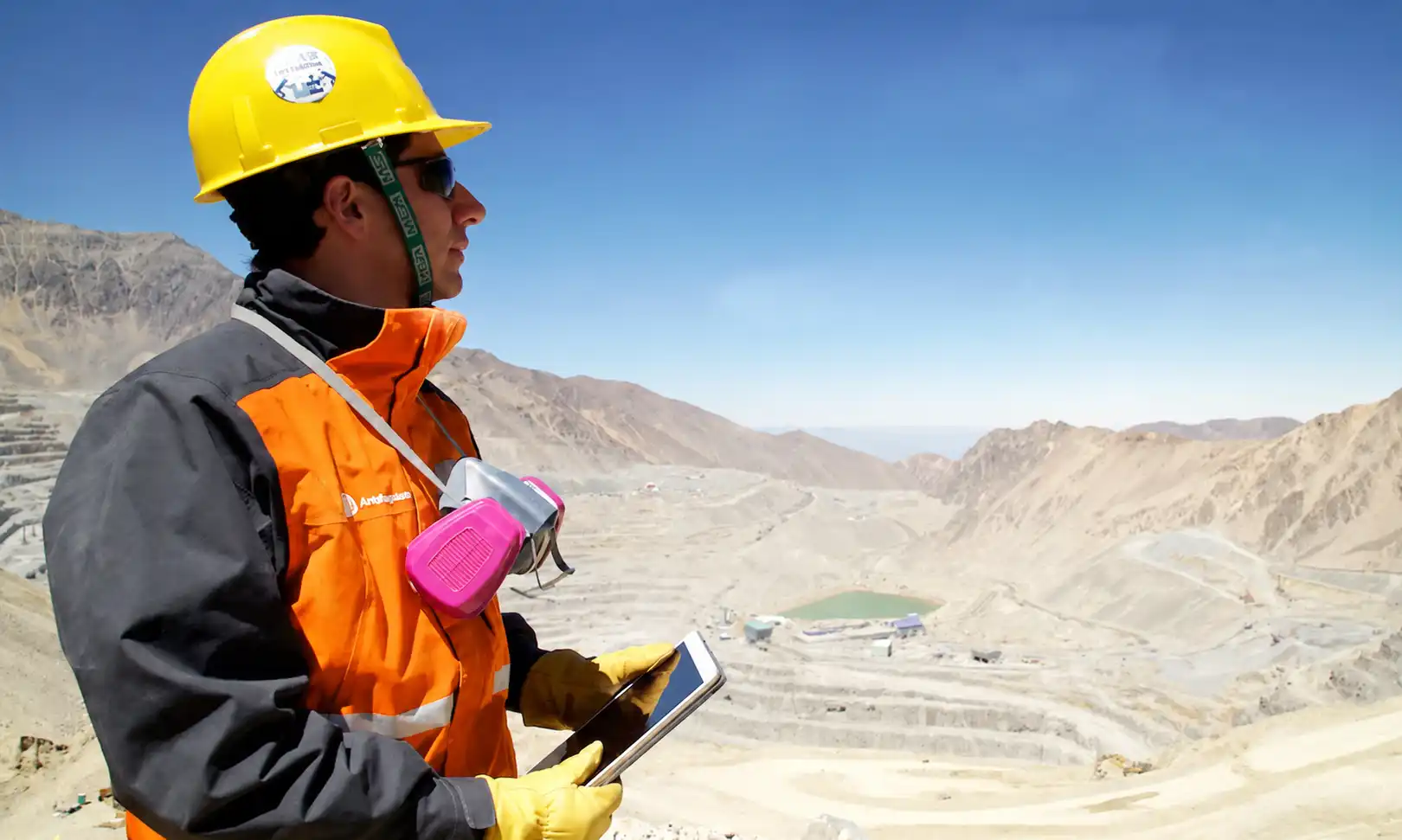
A project-level analysis of ownership, LCC-HVDC technology, financing, suppliers, construction logistics and the international procurement chain behind Chile’s first HVDC transmission line.
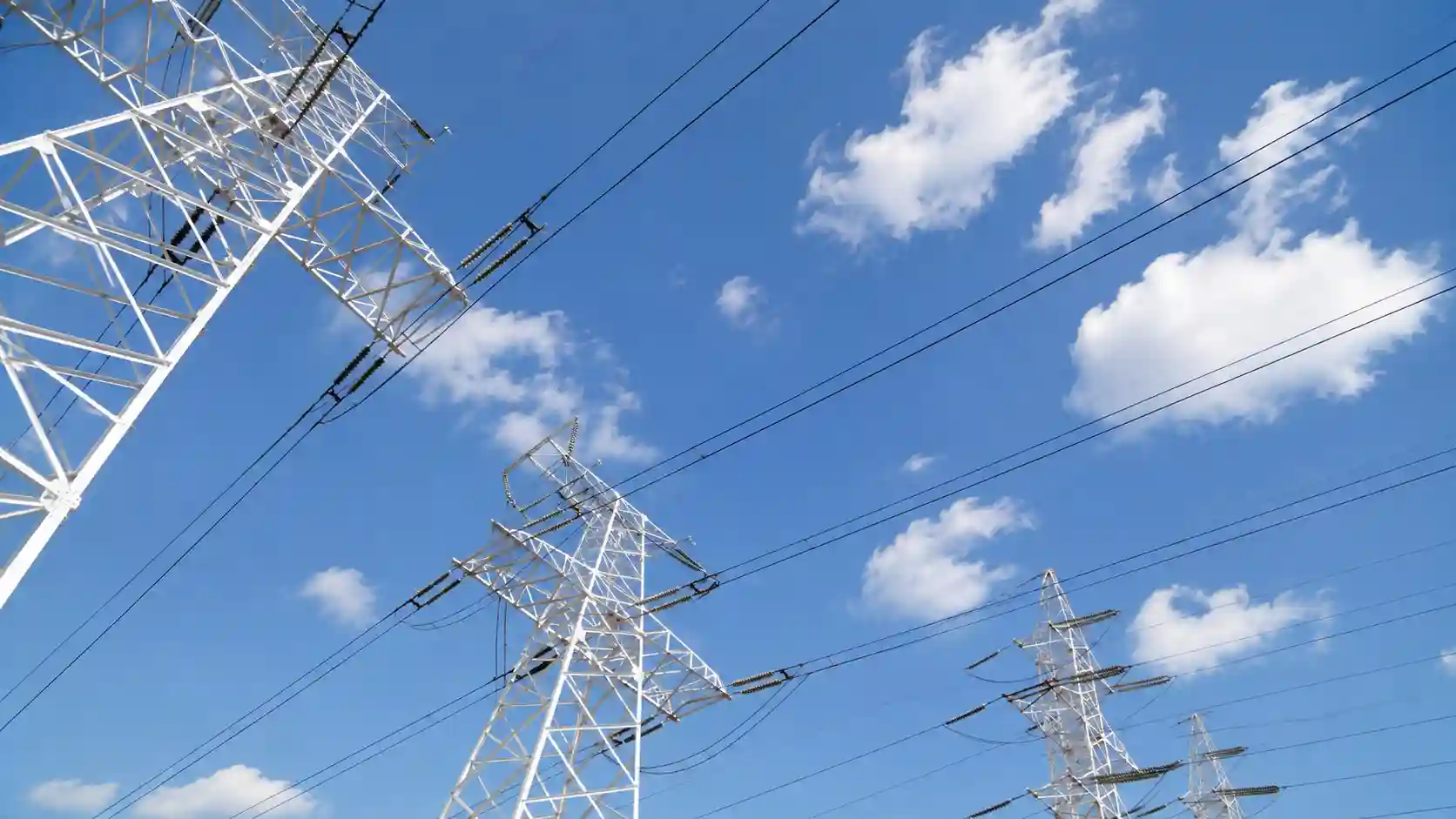
A 3,100 km electricity system, renewable growth, Kimal–Lo Aguirre, storage, mining demand and regional price separation are turning transmission into a central infrastructure market.

July 2026 analysis
July analysis across electricity, battery storage, mining, water infrastructure, companies and regional market structure.
Utility-scale batteries are growing because renewable generation is expanding faster than the system can always transport and use it. Storage shifts electricity through time, while transmission remains necessary to move power across regions.
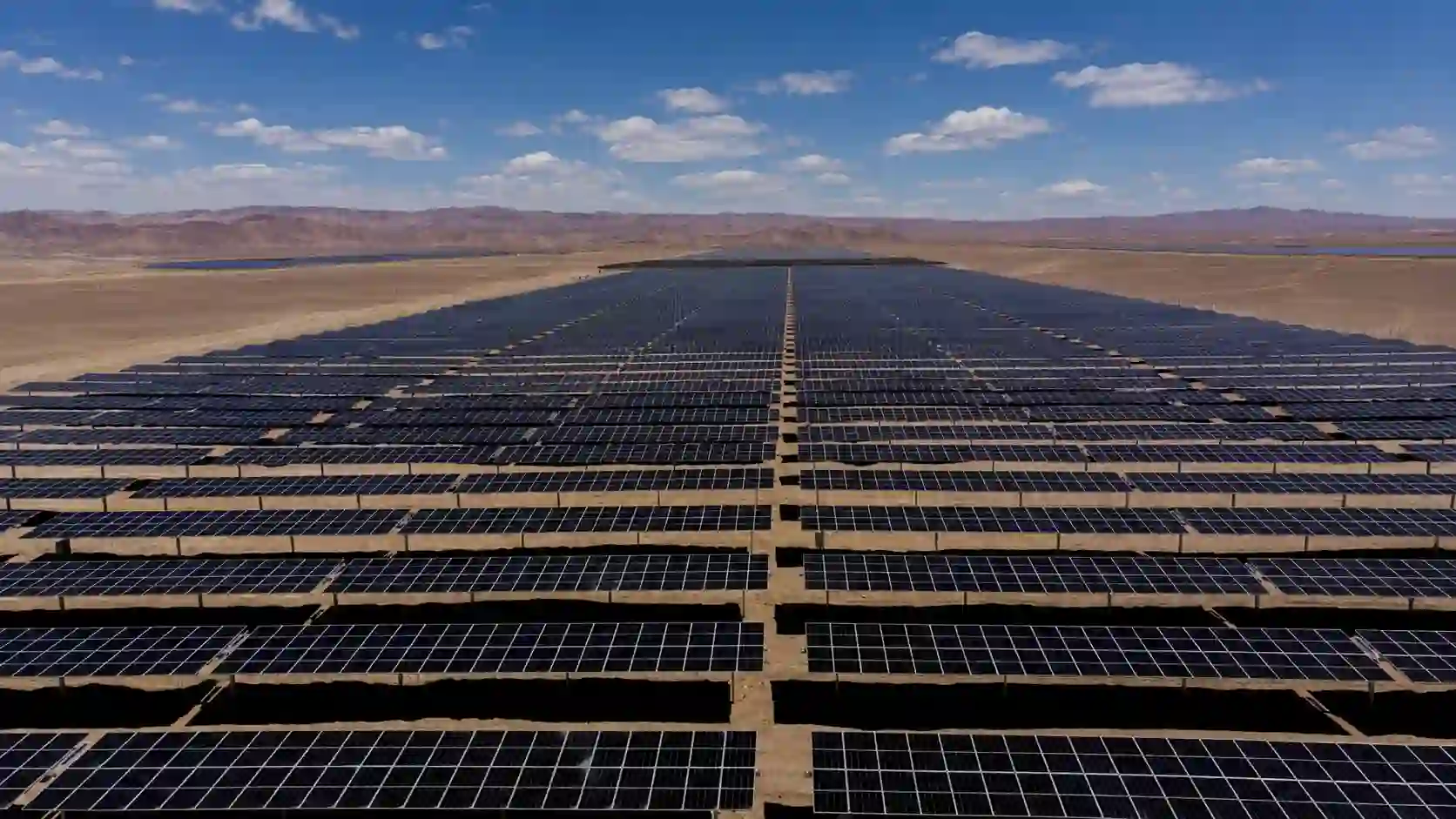
Chile’s copper industry is rebuilding mine continuity around desalination plants, seawater pipelines, pumping corridors, power systems, environmental approval and coastal legitimacy.
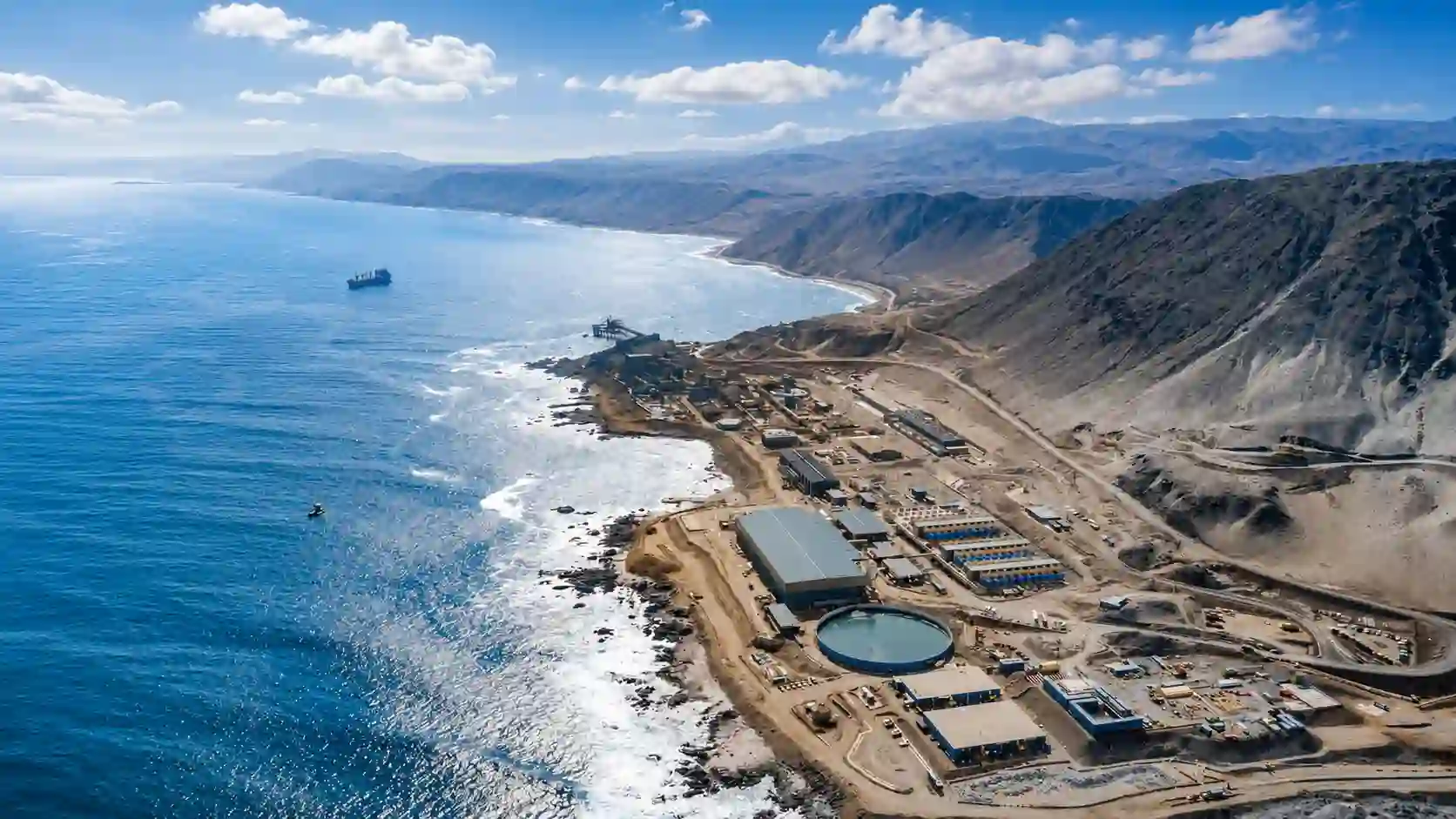
Codelco combines copper operations, an external review of production reporting, Distrito Norte desalination, Novandino Litio, Maricunga and a heavy project-execution mandate.

Aguas Marítimas links environmental approval, planned desalination capacity, long-distance pipelines, pumping infrastructure, power demand and the institutional risks behind a regional mining-water corridor.
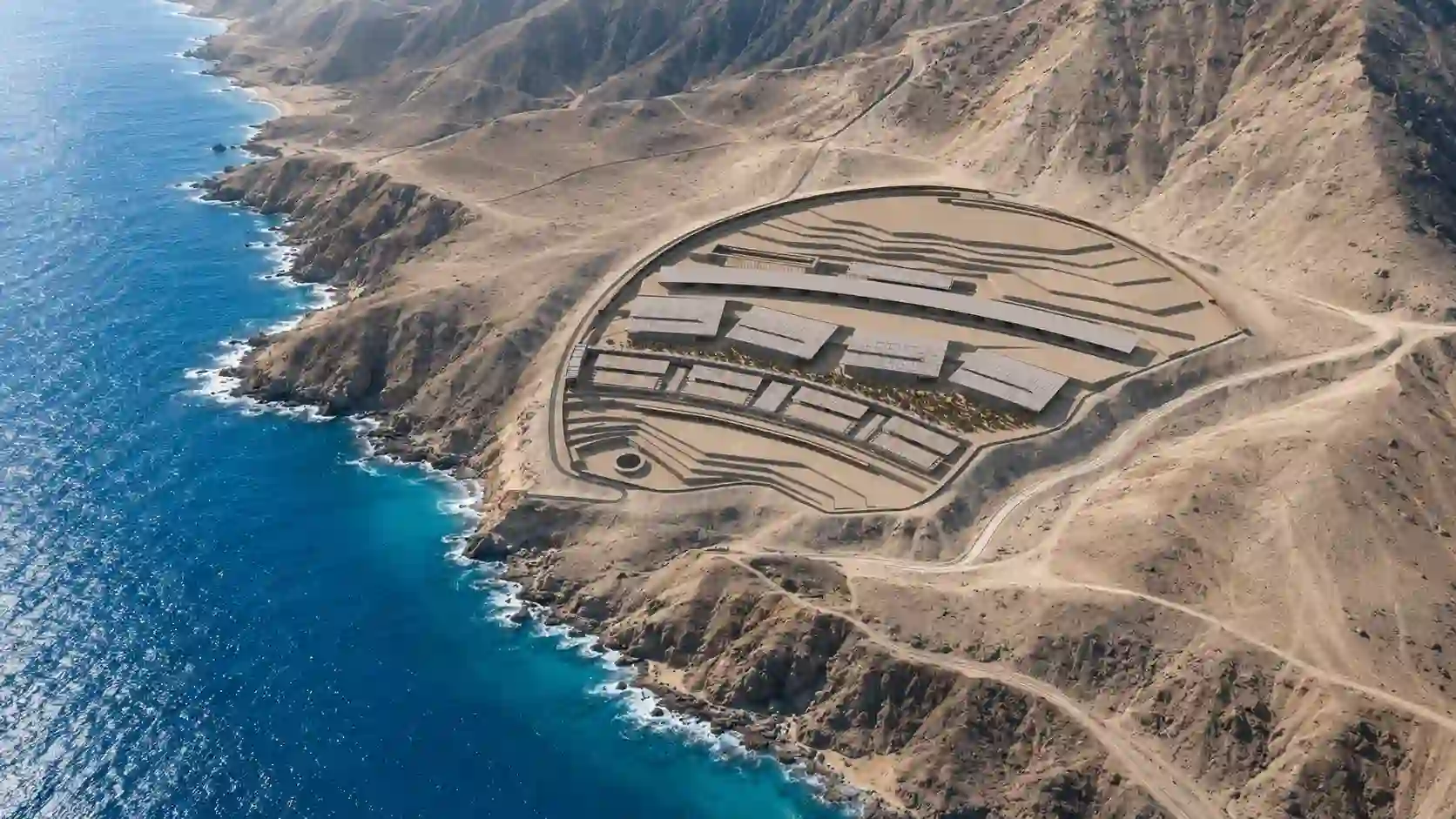
A new corporate structure around an existing Salar de Atacama operation, combining Codelco control, SQM management, long-term production targets and China-linked supply conditions.
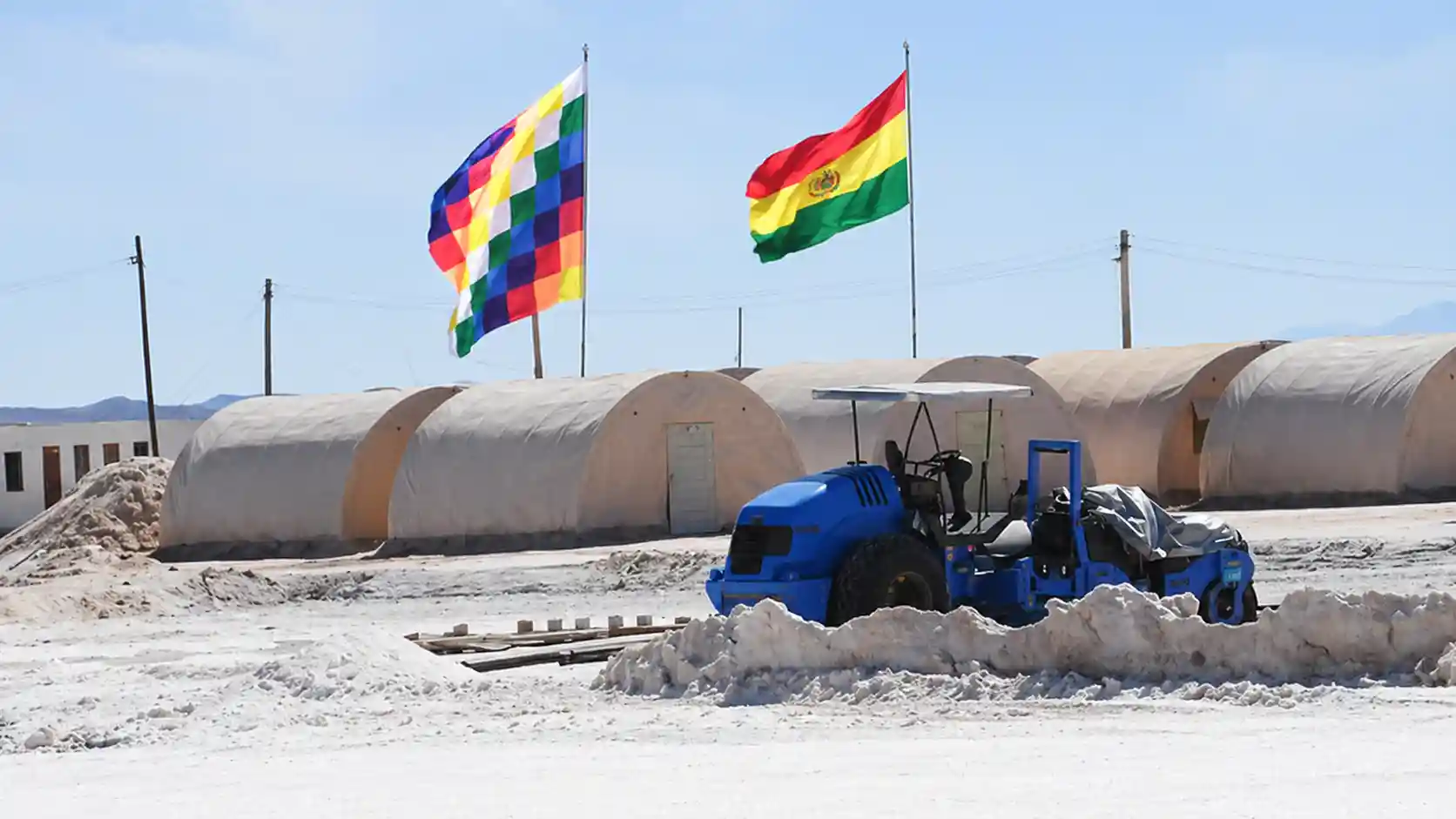
A regional comparison of resources, reserves, production, project authority, operating structures and supplier access across the three Andean lithium systems.
June 2026 archive
June analysis on infrastructure resilience, technology markets and natural-resource value chains.
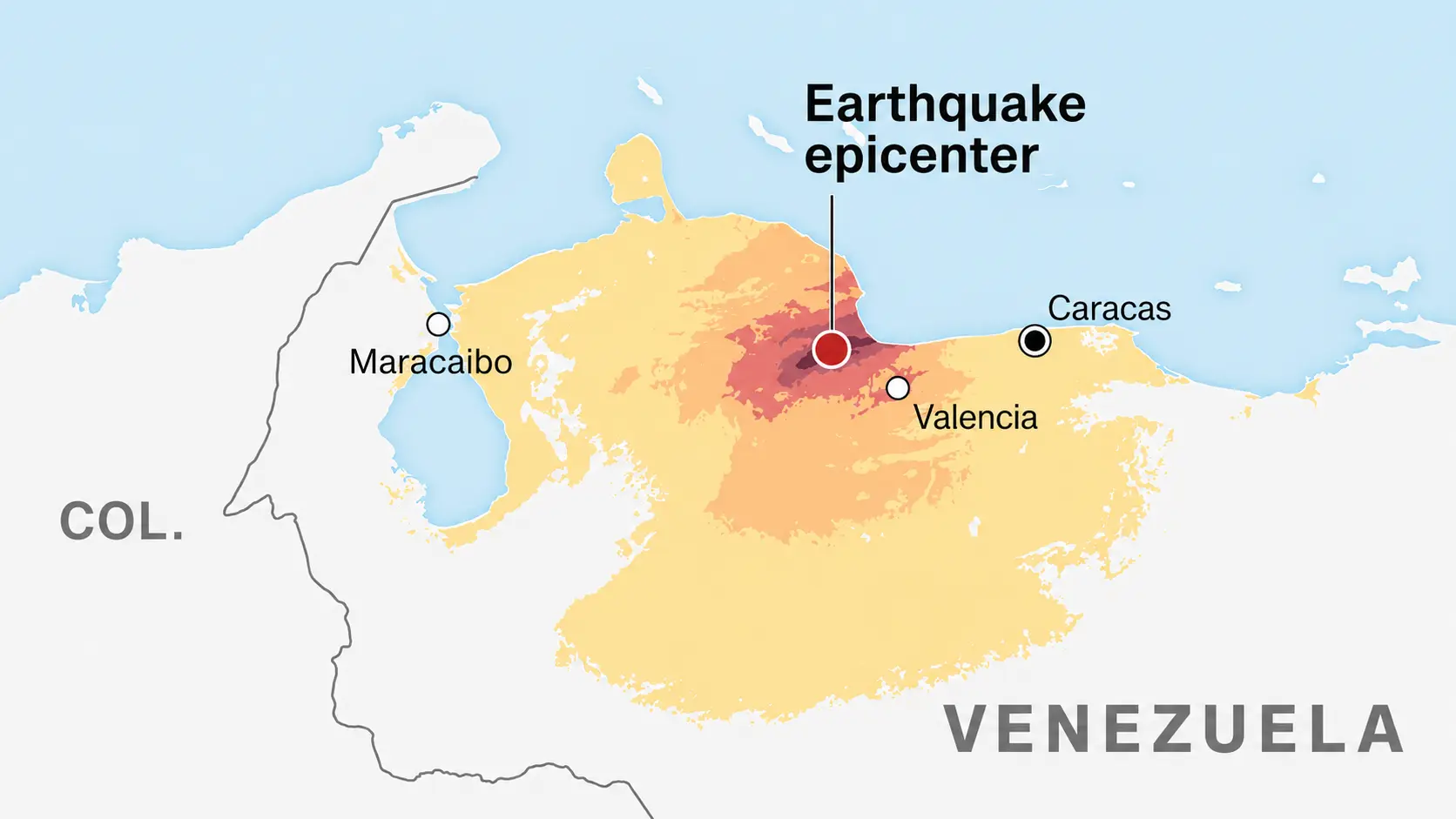
Chile and Venezuela show how seismic exposure becomes an infrastructure, building-code and investment-capacity question.
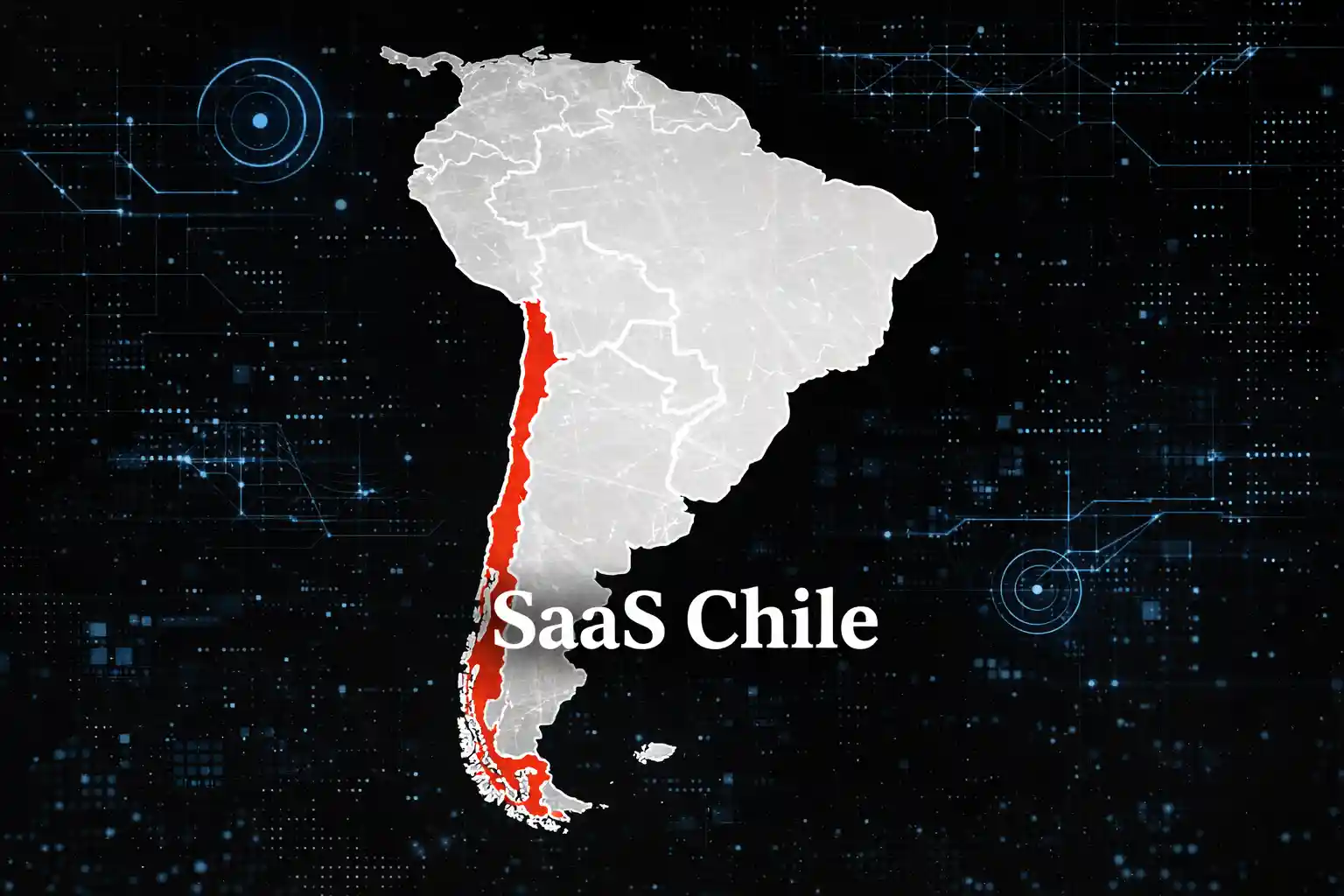
Chile offers a clearer view of how early-stage technology markets, regional scaling and capital constraints interact in Latin America.
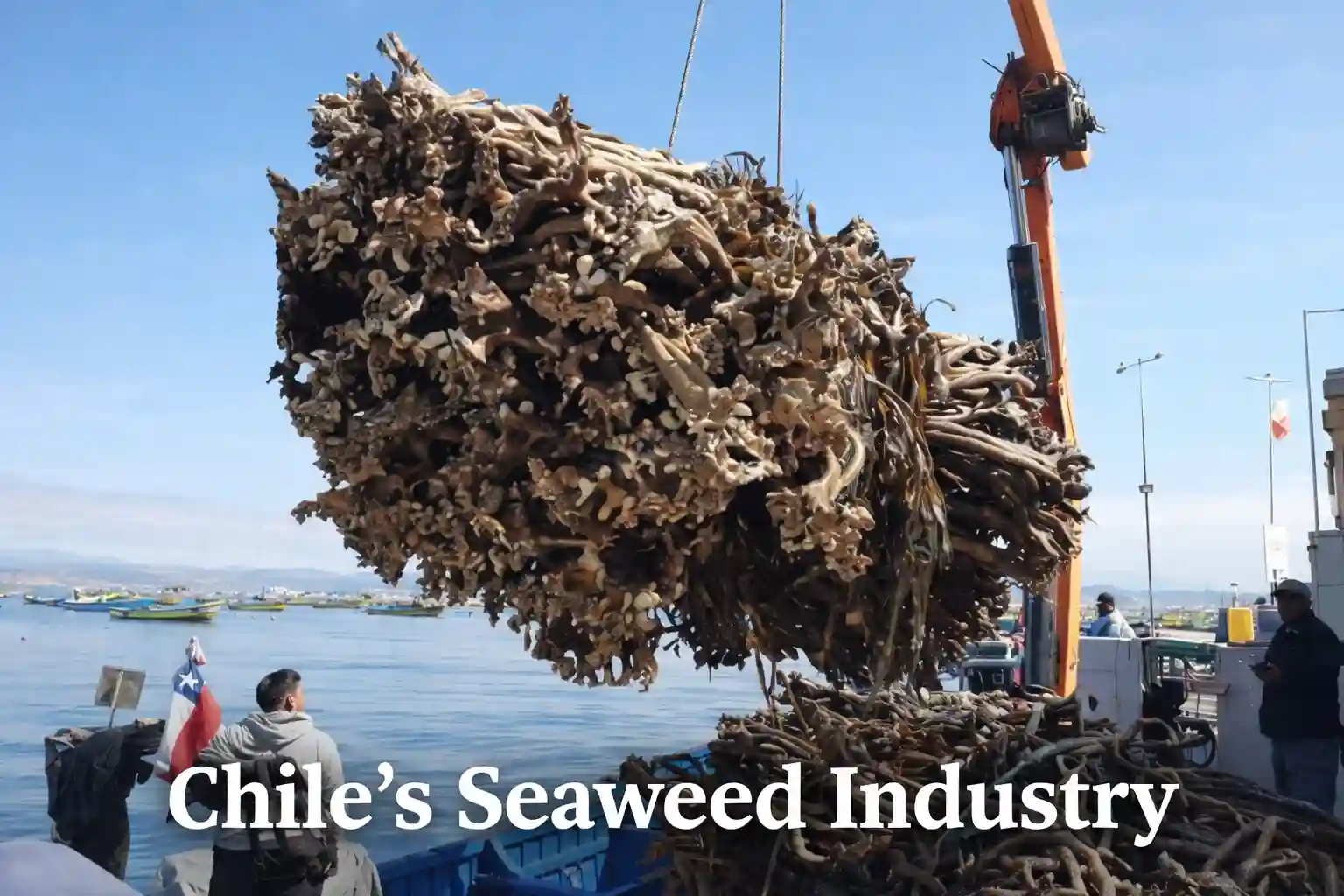
Chile’s seaweed advantage is embedded in geography, harvesting economics and an underdeveloped value chain rather than branding alone.
May 2026 archive
May analysis on China exposure, trade positioning and regional integration.
China is part of the industrial system behind Chile’s mineral exports, making diversification more difficult than opening new diplomatic or trade channels.

Chile has remained regionally connected without surrendering the freedom to maintain its own Pacific-facing trade architecture.

April 2026 archive
April analysis on lithium, water governance, companies and the gap between resource interest and operating reality.


About this Chile coverage
Econosur connects Chile’s industries, companies, projects and infrastructure to the wider South American market system. Mining, logistics, ports, aquaculture, water, battery storage, power grids, hydrogen, technology, trade, resilience and natural-resource value chains are analysed as interacting parts of the operating environment.