
Paraguay
Paraguay is a small economy with an oversized regional function. It connects Brazil-facing maquila production, Taiwan-backed electric-bus manufacturing, hydropower, a rapidly evolving electricity system, agricultural exports, river logistics, the Bioceanic Corridor, the Southwest Export Corridor and Mercosur market access. Econosur examines how industrial location and trade access depend on production depth, grid capacity, regulation, roads, river infrastructure and cross-border operating systems.
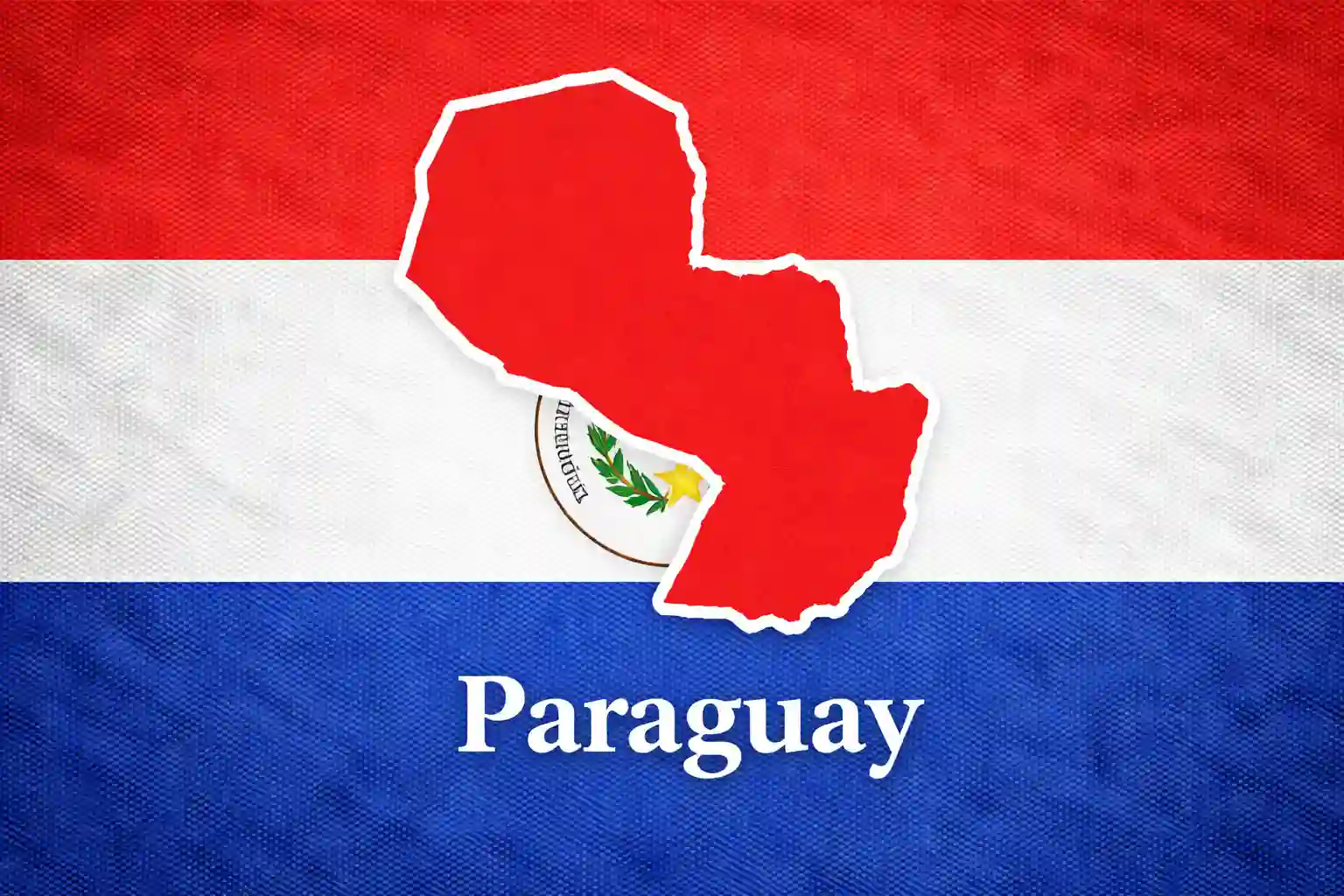
Paraguay as a production location, power system, river economy, agricultural platform and cross-border market inside Mercosur.
Hydropower advantage under new constraints
Itaipú remains a structural advantage, but rising demand means grid capacity, tariffs and regulation increasingly shape where energy-intensive industry can locate.
River and border corridors
The Paraguay River, the Paraná–Paraguay Waterway, the Bioceanic Corridor and border crossings shape imports, exports and industrial access.
Agriculture and processing
Soy, livestock, meat processing, forestry and pulp projects connect domestic resources to external markets.
Periphery with leverage
Paraguay uses location, energy, incentives and regulatory differences to perform functions larger members cannot easily replicate.
Latest Paraguay Analysis
Paraguay’s Hydropower Dilemma: What the ATOME Dispute Reveals About Industrialisation
The dispute around ATOME’s Villeta fertilizer project turns Paraguay’s hydropower advantage into a concrete industrial-policy question: how should the country price electricity for energy-intensive investment while protecting the economics of its power system?
Read the new analysis
Master Bus in Paraguay: From Electric-Bus Imports to a Local Manufacturing Platform
Thirty Taiwan-built Master Bus electric buses are already part of Paraguay’s transport system. The next industrial test is whether planned assembly, chassis and body production, supplier development and regional export ambitions become a repeatable local manufacturing system.
Read the new analysis
Paraguay’s Southwest Export Corridor
The JICA-backed Yabebyry–Pilar corridor can connect southern production areas with river export infrastructure. The next test is whether improved road access generates sustained freight through Pilar.
Read corridor analysisParaguay’s Power Advantage Is Becoming a Grid and Regulation Question
Rising domestic demand, transmission investment, tariff design and the post-2026 Itaipú framework increasingly determine how hydropower can be converted into industrial capacity.
Read power analysisParaguay’s Bioceanic Bridge Is Connected. The Corridor Isn’t Ready Yet.
The bridge to Brazil is physically connected, but road access, customs infrastructure, the PY15 route toward Argentina and the onward connection through the Andes still determine when regular freight operations become reliable.
Read corridor readiness analysis
Manufacturing and Industrial Expansion
Paraguay’s Maquila Industry and Brazil-Linked Manufacturing
Paraguay is developing more than one industrial model. Alto Paraná connects maquila factories to Brazilian demand, while Concepción combines agricultural processing, forestry, river logistics and new industrial infrastructure.
Read the central Paraguay industry analysis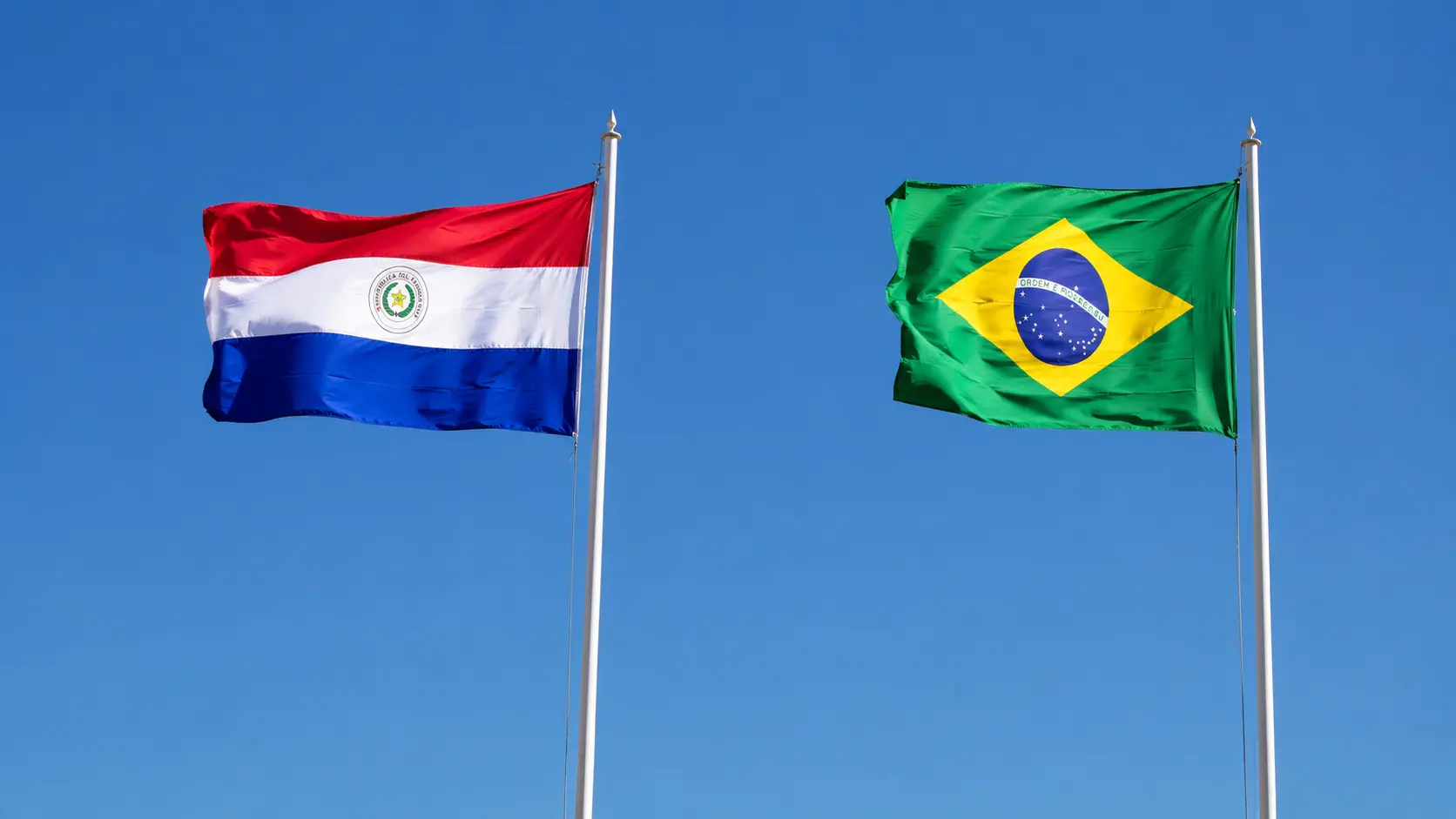
Paraguay’s Auto-Parts Maquila Corridor
How automotive wiring, cables and labor-intensive components connect Paraguayan plants to Brazil’s vehicle and supplier industries.
Read corridor analysisYazaki Paraguay
A company case showing how workforce quality, delivery standards, component production and maquila administration interact.
Read company insightParacel
Paraguay’s largest emerging greenfield industrial platform combines plantations, port infrastructure, energy and planned pulp production.
Read company insightFrigorífico Concepción
Meat processing, sanitary certification, cold-chain infrastructure and access to external markets from northern Paraguay.
Read company insightLogistics, Rivers and Trade Corridors
Paraguay’s Southwest Export Corridor
The JICA-backed Yabebyry–Pilar road programme links southern production areas with Pilar’s river terminal. Its commercial value depends on freight generation, port use, river conditions and the conversion of road access into sustained export flows.
Read southwest corridor analysis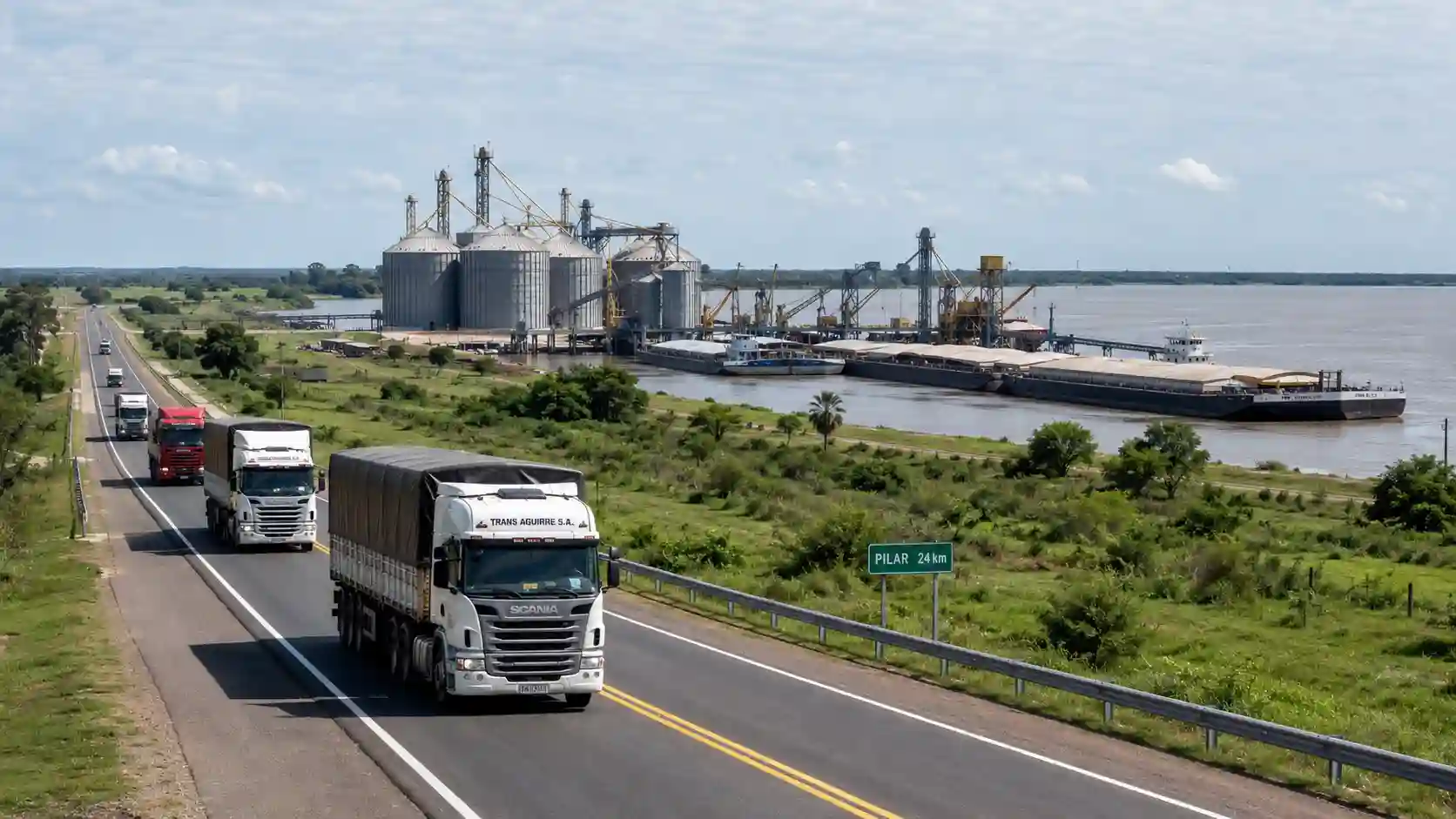
Paraguay’s Bioceanic Bridge and Corridor Readiness
The bridge is physically connected, while road access, customs infrastructure and the cross-border route through Argentina to Chile still determine when regular freight operations become practical.
Read corridor analysis
Paraguay’s River Economy and the Hidrovía
Paraguay’s export economy depends on barges, river levels, ports, transshipment systems and access through the Río de la Plata.
Read river economy analysisParaná–Paraguay Waterway
The regional perspective connecting Paraguay, Bolivia, Argentina, Brazil and Uruguay through one inland logistics system.
Read regional analysisAgriculture and Resource Processing
Paraguay’s Soy Model
Paraguay’s soybean economy combines export efficiency with river dependency, land-use exposure and rising traceability requirements.
Read soy market analysis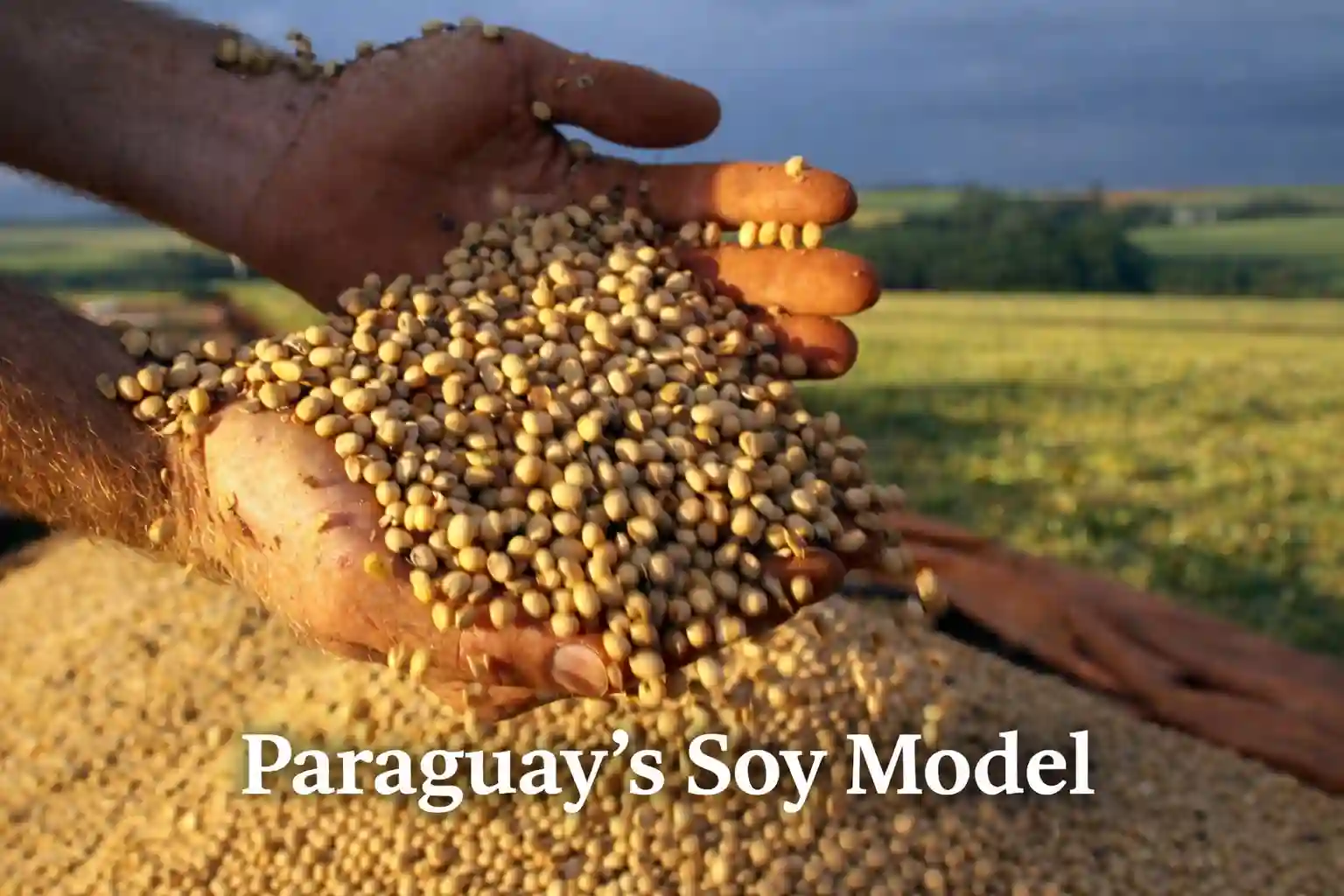
Meat Processing and Export Access
Frigorífico Concepción illustrates how domestic livestock becomes an industrial export product through processing, certification and logistics.
Read company caseForestry as an Industrial Platform
Paracel links plantations and forestry resources to planned processing, energy systems, roads and private port infrastructure.
Read company caseMercosur and Cross-Border Commerce
Paraguay’s Role in Mercosur
Paraguay performs regional functions as an agricultural exporter, energy supplier, low-tax location and production platform inside the bloc.
Read Mercosur analysisThe Logic of Cross-Border Commerce
Ciudad del Este shows how imports, arbitrage, taxation and informal commercial systems connect Paraguay to Brazilian demand.
Read trade-flow analysisParaguay Analysis Archive
September 2026 2 analyses
Paraguay’s Hydropower Dilemma: What the ATOME Dispute Reveals About Industrialisation
ATOME’s Villeta fertilizer project brings Paraguay’s electricity-pricing dilemma into focus: how to convert abundant hydropower into industrial investment without undermining the economics of the power system.
8 September 2026 · Manufacturing · Electric Mobility · TaiwanMaster Bus in Paraguay: From Electric-Bus Imports to a Local Manufacturing Platform
Taiwan-built electric buses are already operating in Paraguay. The industrial question is whether planned assembly, component production and supplier development create a durable local manufacturing platform.
Paraguay Market Map
Maquila, automotive components, border manufacturing and Brazil-linked supply chains.
Livestock, meat processing, forestry, pulp infrastructure and river access.
River transport remains the established export system, while the Bioceanic route is building a new east-west road axis toward Argentina and Chile.
Hydropower, transmission capacity, tariff design and electricity allocation increasingly shape industrial-location decisions.
Paraguay as an industrial location, trade corridor and functional market
Econosur covers Paraguay through its role in Brazil-linked manufacturing, Taiwan-backed electric mobility, river logistics, the Southwest Export Corridor, the Bioceanic Corridor, agricultural exports, resource processing, hydropower, Mercosur market access and cross-border commerce. The focus is on operating systems, companies, infrastructure, supplier structures and procurement conditions rather than general macroeconomic summaries.