
Southern Cone Analysis
Econosur publishes independent English-language analysis of economies, industries, export geography, Paraguay’s Brazil-linked industrial location, territorial production clusters, macroeconomic stabilization, fertilizer security, Vaca Muerta, Chile-Argentina energy integration, critical infrastructure, earthquake risk, infrastructure resilience, bioceanic corridors, inland waterways, pharmaceutical market structure, platform competition, digital infrastructure, renewable energy, AI infrastructure, Brazil’s Eco Invest program, climate finance, industrial policy, Brazil-China finance, automotive market shifts, retail market entry, critical minerals, lithium water infrastructure, DLE, desalination, rare earths, Minas Gerais, Chile-China trade and regional systems across Argentina, Brazil, Chile, Paraguay, Uruguay, Bolivia and the wider Southern Cone.

Country analysis, sector scenarios, cross-border systems and market-structure intelligence for international readers.
Econosur connects country dynamics, sector shifts, infrastructure resilience, trade corridors, energy systems, green finance, digital infrastructure and regional dependencies into practical market interpretation.
The platform focuses on market structures, operational constraints, investment signals, green-industrial policy, industry scenarios and the gap between narrative and business reality.
Econosur follows national markets and cross-border systems at the same time: Mercosur, the Southern Cone, logistics corridors, critical minerals, pharma, agriculture, energy and digital access.
Regional & Cross-Border Analysis
All Cono Sur InsightsJuly 2026 · Argentina · Sea Lion · Offshore Oil · Investor Risk
Sea Lion Oil and Argentina’s Atlantic Energy Narrative
Sea Lion is moving from dispute to development. The offshore project north of the Falkland Islands creates a South Atlantic energy-risk question for Argentina while Buenos Aires is trying to position Vaca Muerta as its future export engine.

July 2026 · Brazil · Eco Invest · Climate Finance · Industrial Policy
Brazil’s Eco Invest Bet: Climate Finance as Industrial Policy
Brazil’s fifth Eco Invest auction is not just a green-finance event. It is an attempt to use climate-finance architecture as a politically acceptable form of industrial policy — attracting foreign capital while steering money into green fertilizers, critical minerals, batteries, sustainable fuels, automation, green chemistry and circular industrial waste.

July 2026 · Chile · Seawater · Copper Mining · Desalination
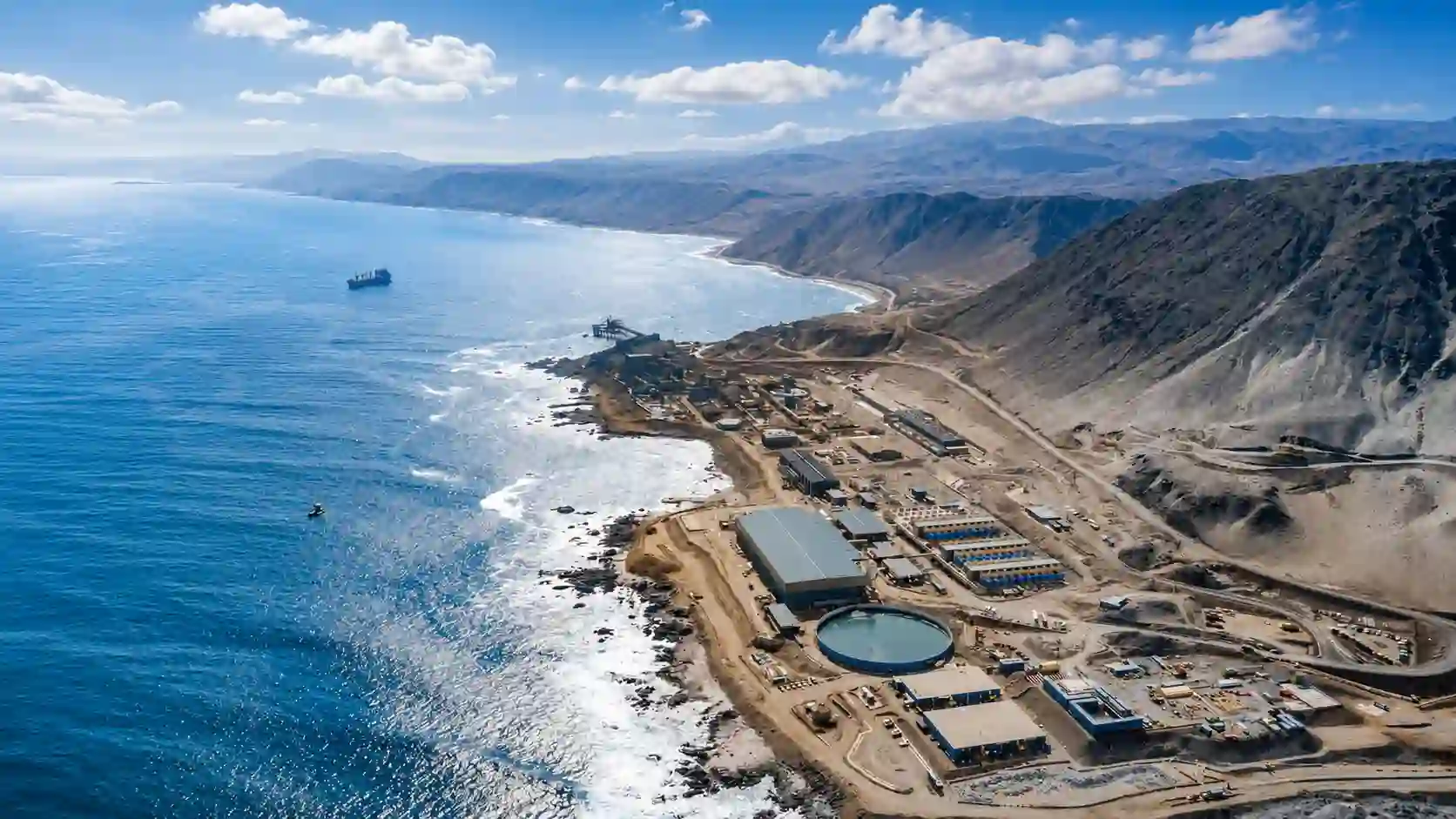
Seawater Is Becoming Chile’s Mining Infrastructure
Chile’s copper industry is no longer only adapting to water scarcity. It is rebuilding mining around desalination plants, seawater pipelines, pumping corridors, power systems, environmental approval and coastal legitimacy.
June 2026 regional archive
June 2026 · Paraguay · Brazil · Maquila · Industrial Location
Paraguay as Brazil’s Industrial Side Door: Why Location Can Matter More Than Market Size
Paraguay is small as a consumer market, but strategically relevant as a Brazil-linked production location. Maquila rules, hydropower, Alto Paraná border logistics and Mercosur origin arithmetic make the country relevant for selected production steps in automotive components, textiles, food processing, packaging and industrial manufacturing.

June 2026 · Chile · Venezuela · Earthquake Risk · Infrastructure
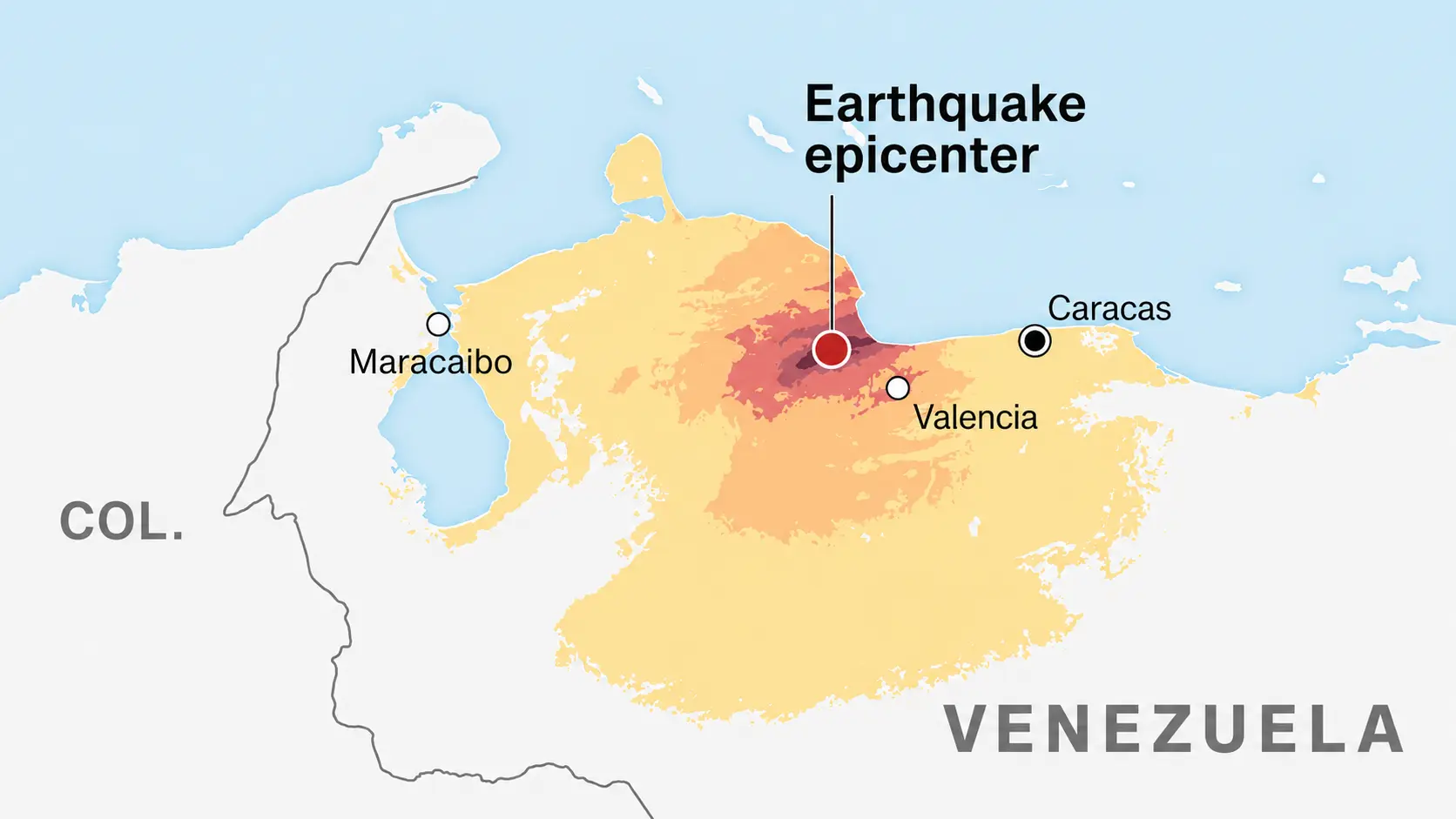
Two Earthquake Economies, Two Risk Profiles: What Chile and Venezuela Reveal About Infrastructure Investment
Chile and Venezuela show how seismic risk becomes an infrastructure-investment signal. Chile turns earthquake exposure into codes, protocols and financial protection. Venezuela’s June 2026 earthquakes exposed weaker buildings, grid stress and public-infrastructure limits, even as strategic oil assets held comparatively well.
June 2026 · Cono Sur · Lithium · Water Infrastructure · DLE
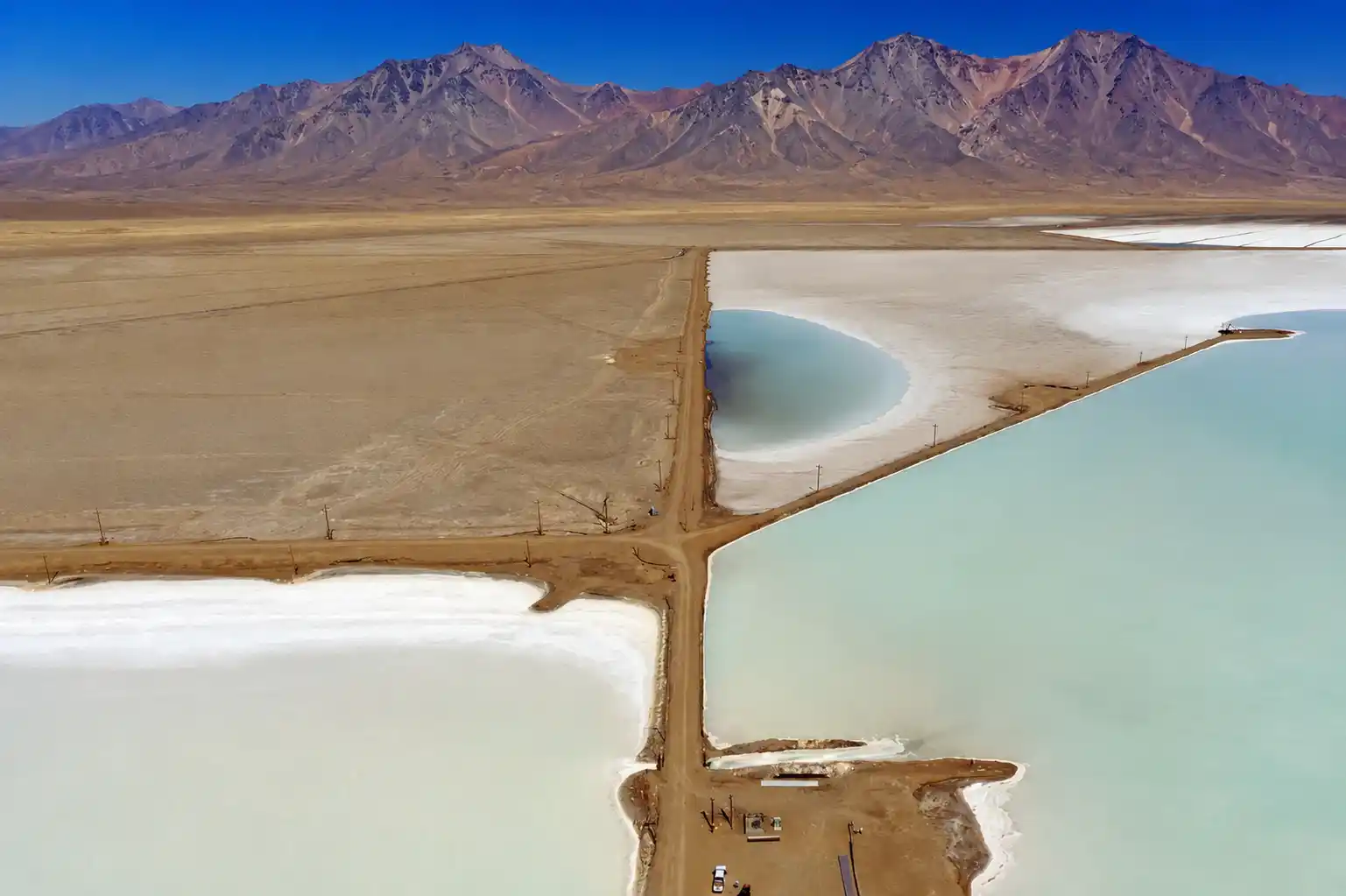
Water Infrastructure in Lithium Regions: South America’s Hidden Lithium Bottleneck
South America’s lithium expansion depends on brine handling, desalination, pumping, treatment, reinjection, monitoring and social licence across Argentina and Chile.
June 2026 · Brazil · Critical Minerals · Rare Earths · Minas Gerais
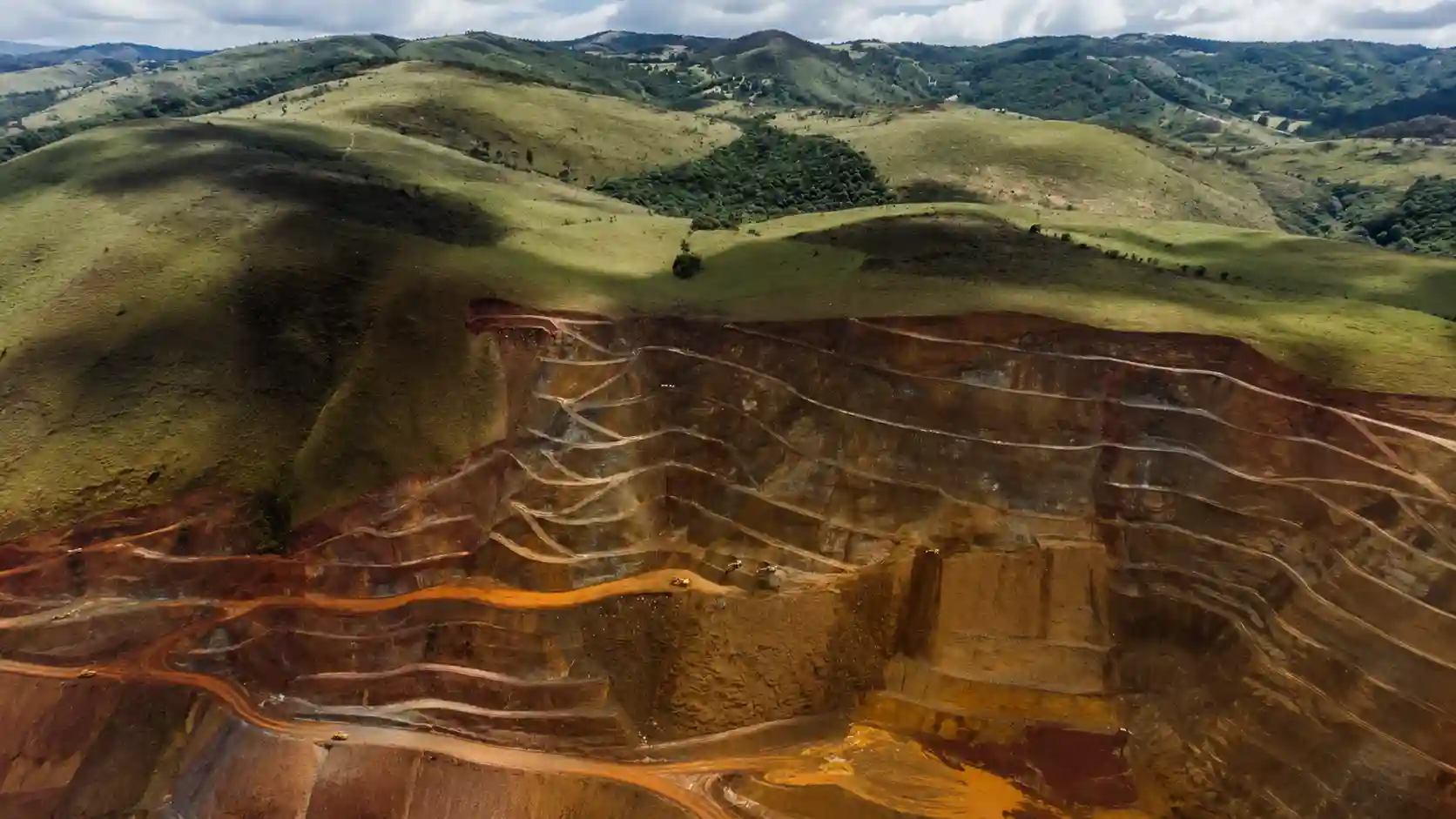
Brazil’s Critical Minerals Question: Can Minas Gerais Become Europe’s China Alternative?
China refines most of the world’s rare earths. Brazil holds some of the largest reserves on the planet. Minas Gerais is becoming the test of whether geology can become processing, offtake, financing and a credible non-China supply chain.
June 2026 · Argentina · Chile · Vaca Muerta · Oil Exports · LNG
Vaca Muerta’s Pacific Question: Can Chile Become Argentina’s Oil Exit to Asia?
Chile can become Vaca Muerta’s Pacific oil exit, while Argentina’s LNG future stays Atlantic-facing. The Trans-Andean route gives crude a working corridor through Chile; VMOS and Argentina LNG keep the scale story on the Atlantic.

June 2026 · Argentina · Antarctica · Climate Data · Marambio
Penguin Guano, Climate Data and Argentina’s Role in Antarctica
A study near Argentina’s Marambio Base shows how penguin guano can contribute to climate-relevant aerosol particles. The larger signal is the infrastructure required to turn remote Antarctic environmental processes into usable data.

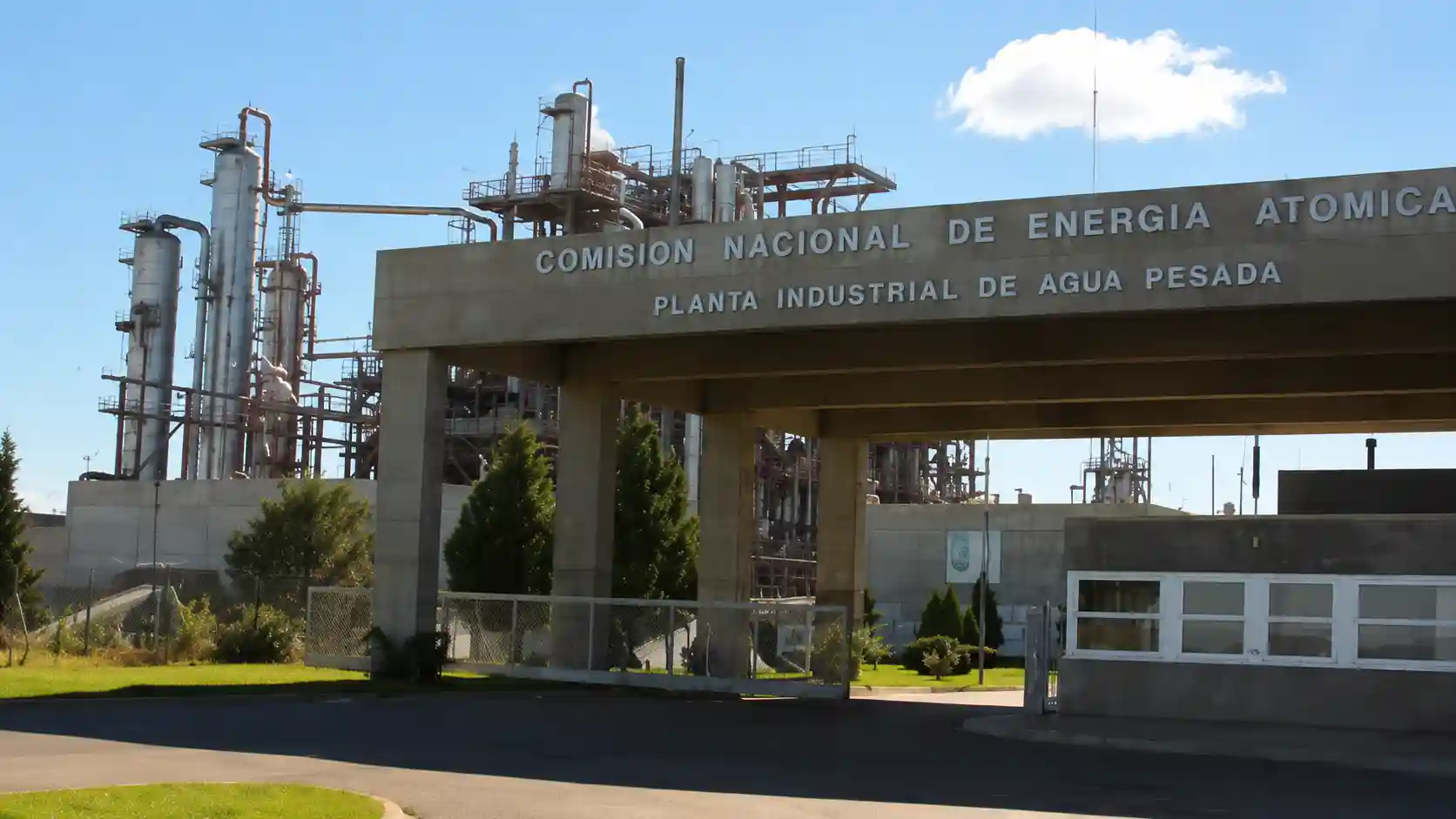
June 2026 · Argentina · Critical Infrastructure · PIAP · Vaca Muerta
Argentina’s Critical Infrastructure: PIAP & Vaca Muerta
Argentina’s PIAP heavy-water plant shows how Vaca Muerta gas, private investment and export demand could turn dormant critical infrastructure into strategic market value.
June 2026 · Brazil · China · Panda Bonds · Yuan Finance
Brazil’s First Panda Bond: Yuan Finance and China Strategy
Brazil’s planned Panda bond adds China to Brazil’s sovereign finance map and tests whether yuan funding can become a practical channel for South America’s largest economy.

May 2026 regional archive
May 2026 · Mercosur Pharma · Biosimilars · EU-Mercosur
Mercosur Pharma Futures: Three Scenarios
Mercosur pharma is not one market. Brazil provides scale, Argentina brings industrial and biosimilar capacity, and the EU-Mercosur agreement could shift the region between integration, fragmentation and a biosimilar corridor.

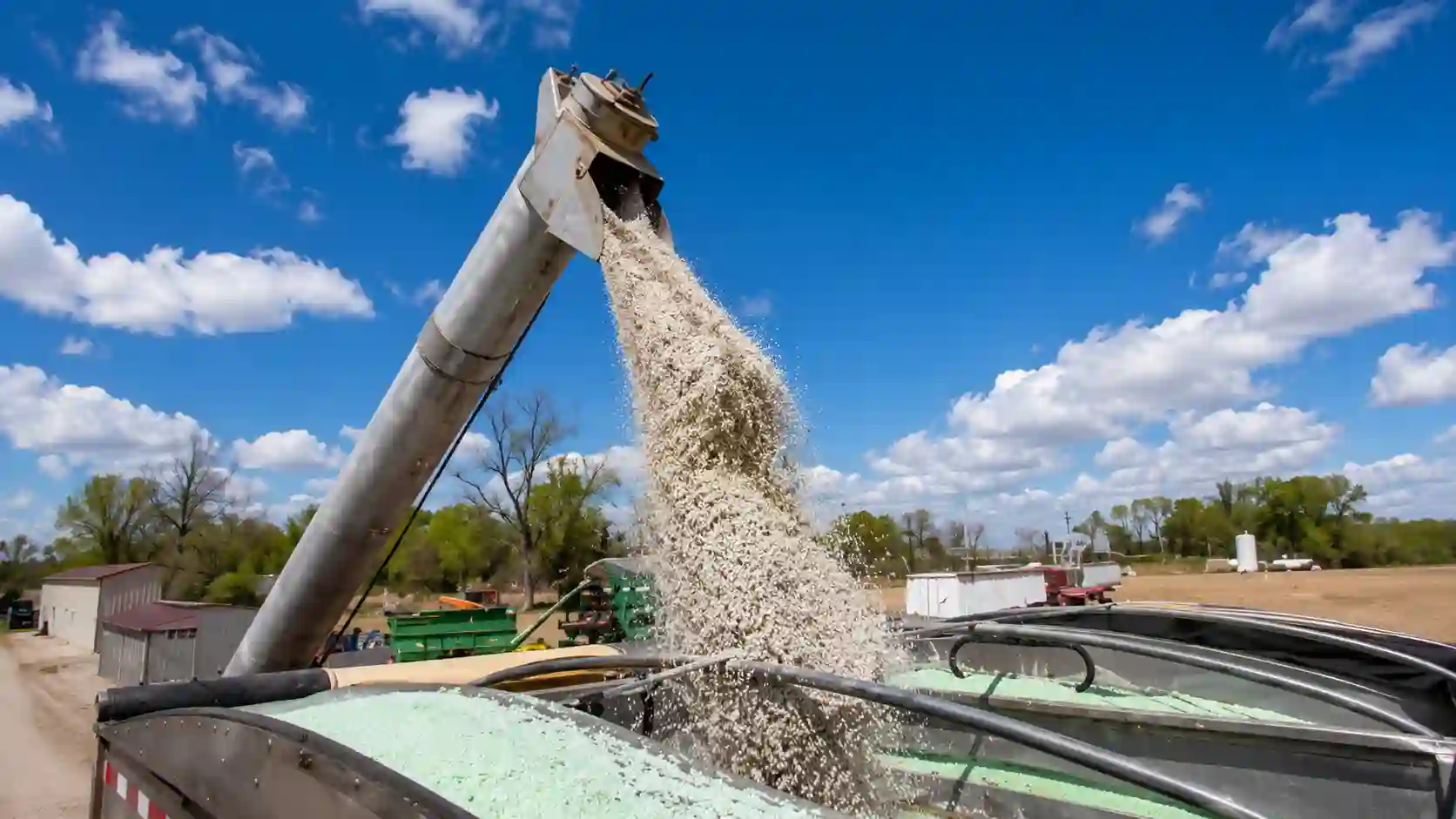
May 2026 · Vaca Muerta · Urea · Fertilizer Security
From Gas to Urea: Could Vaca Muerta Become South America’s Fertilizer Security Platform?
Vaca Muerta is usually discussed as an energy story. This framework asks whether Argentina can turn shale gas into competitive nitrogen fertilizer and reduce South America’s exposure to distant fertilizer supply chains.
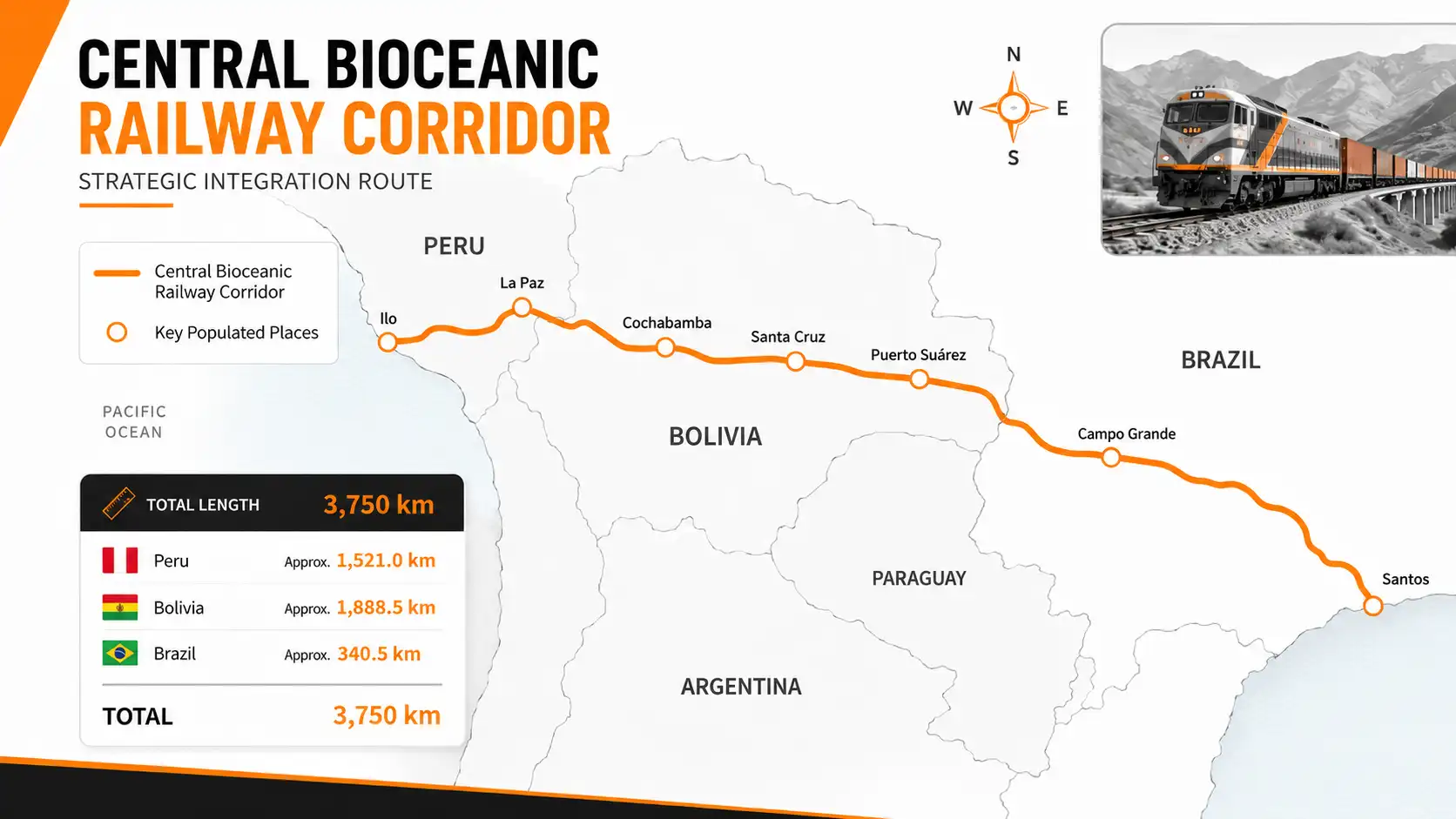
May 2026 · Bioceanic Corridors · Bolivia · Capricornio
Bolivia Wants Back Onto the Bioceanic Map
Bolivia is trying to revive the Bioceánico Central as the Corredor de Capricornio advances through Brazil, Paraguay, northern Argentina and northern Chile. The signal is a changing Atlantic-Pacific corridor geography.
May 2026 · AI Infrastructure · Data Centers · Energy
Argentina and Paraguay’s AI Infrastructure Bet: Can Energy Become Compute?
Argentina and Paraguay are trying to convert energy advantages into AI and data-center relevance. The test is whether power, cooling, fiber, operators, financing and regional demand can align.

May 2026 · Digital Markets · Platform Competition · Market Access
Latin America’s Platform Competition Problem: When Market Power Is Access, Data and Interoperability
Platform power in Latin America is increasingly shaped by access, data, network effects, switching costs, interoperability and gatekeeper roles.

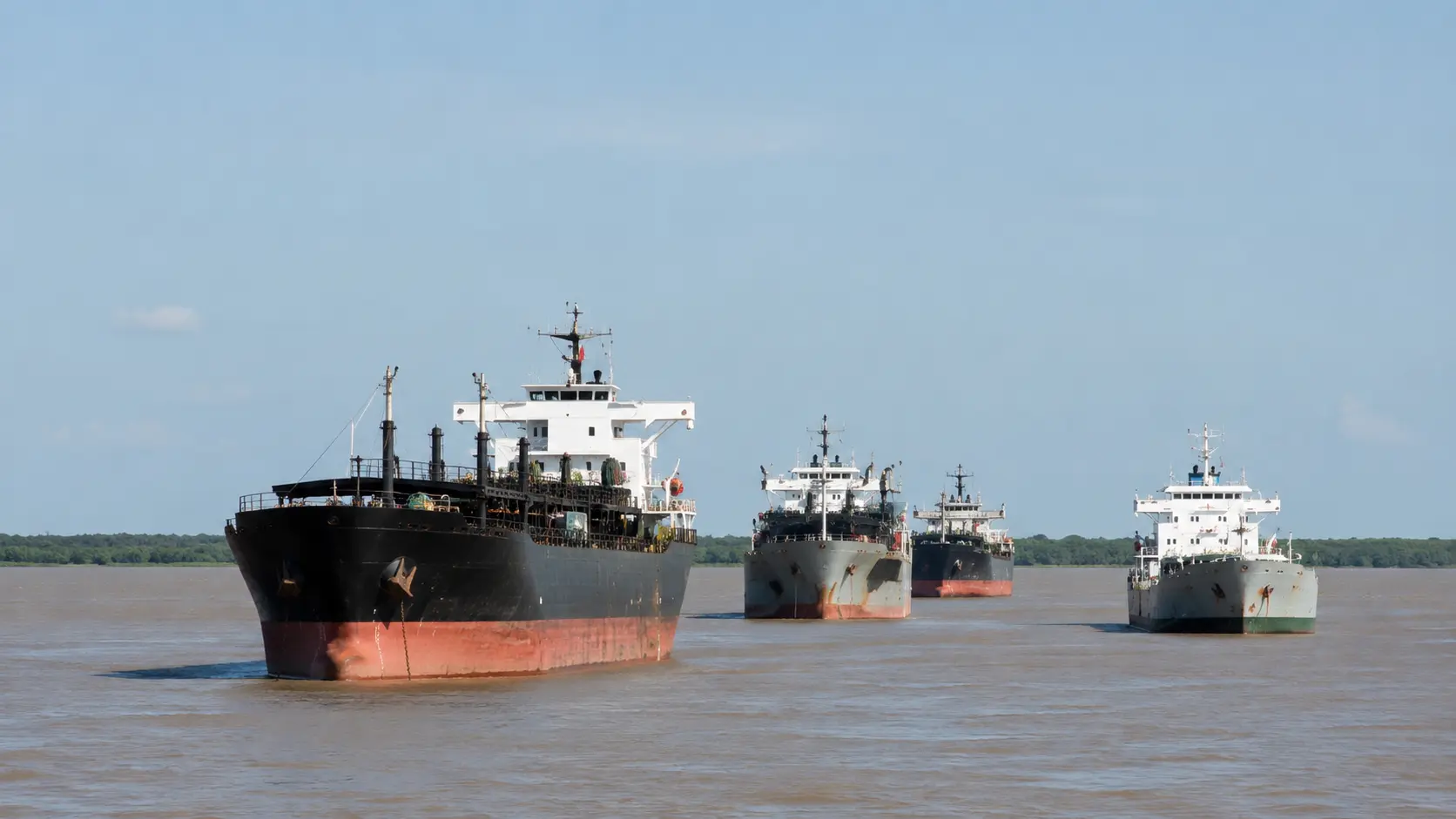
May 2026 · Trade Corridors · Hidrovía · Logistics
The Paraná-Paraguay Waterway: A Strategic Corridor for South American Trade
The Paraná-Paraguay Waterway links inland production in Argentina, Paraguay, Brazil and Bolivia with Atlantic export routes, shaping agribusiness, logistics and B2B market access.
May 2026 · Automotive · China · Europe · US
Europe, the US and China: Who Is Rewriting South America’s Car Market?
Brazil becomes the industrial battleground, Chile works as an import and brand laboratory, and Argentina shows the pressure on older supplier structures.

April 2026 regional archive
April 2026 · Lithium · Critical Minerals · Governance
Lithium Is Not One Market: Chile, Argentina and Bolivia Follow Three Different Investment Logics
Chile, Argentina and Bolivia follow different market logics: regulated coordination, provincial acceleration and state-led centralization.
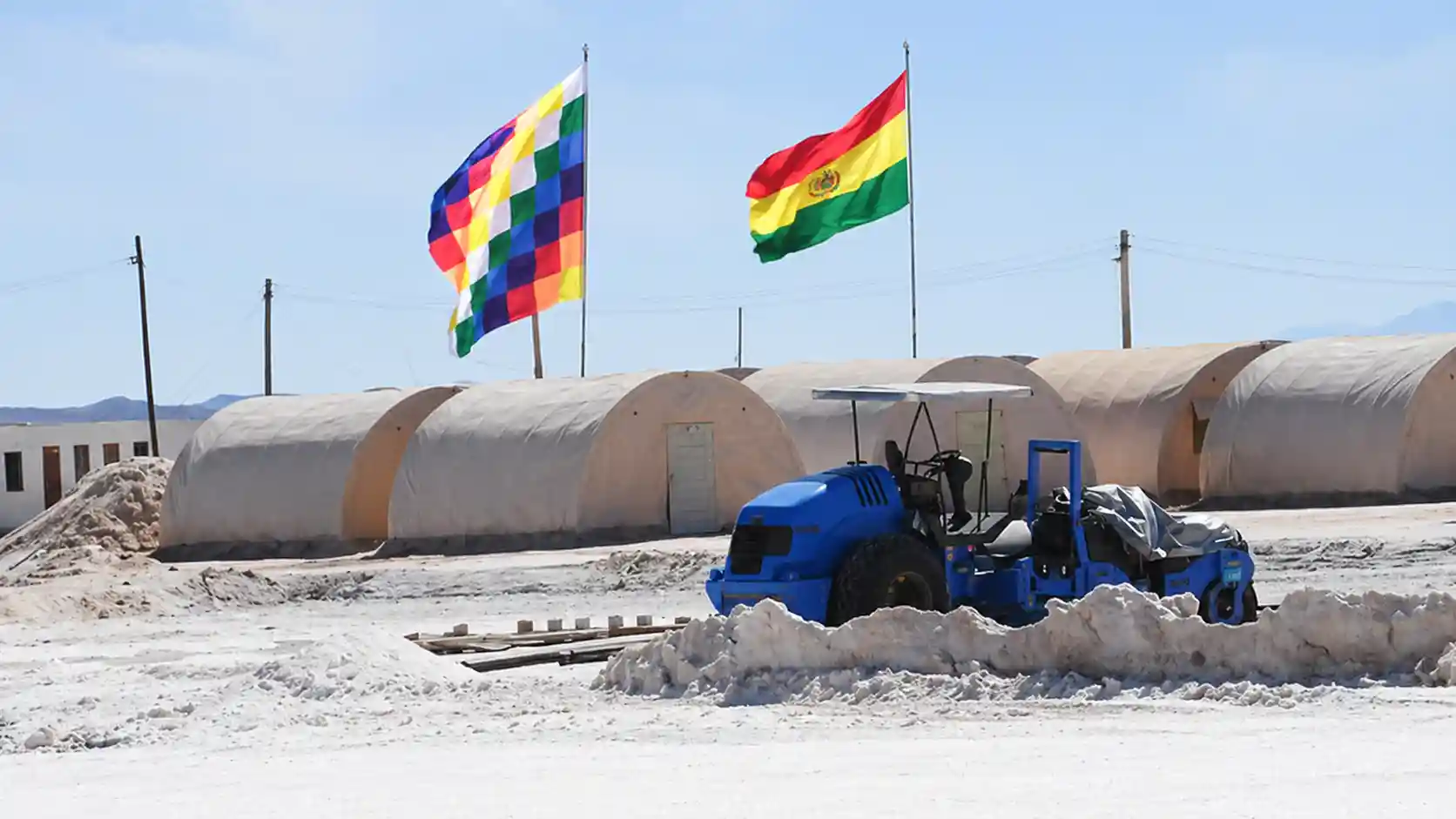
April 2026 · Agriculture · Inputs · Geopolitics
Mercosur Agriculture and the Illusion of Regional Autonomy
The Southern Cone exports food at scale while depending on imported fertilizers, maritime chokepoints and corridors it cannot fully control.
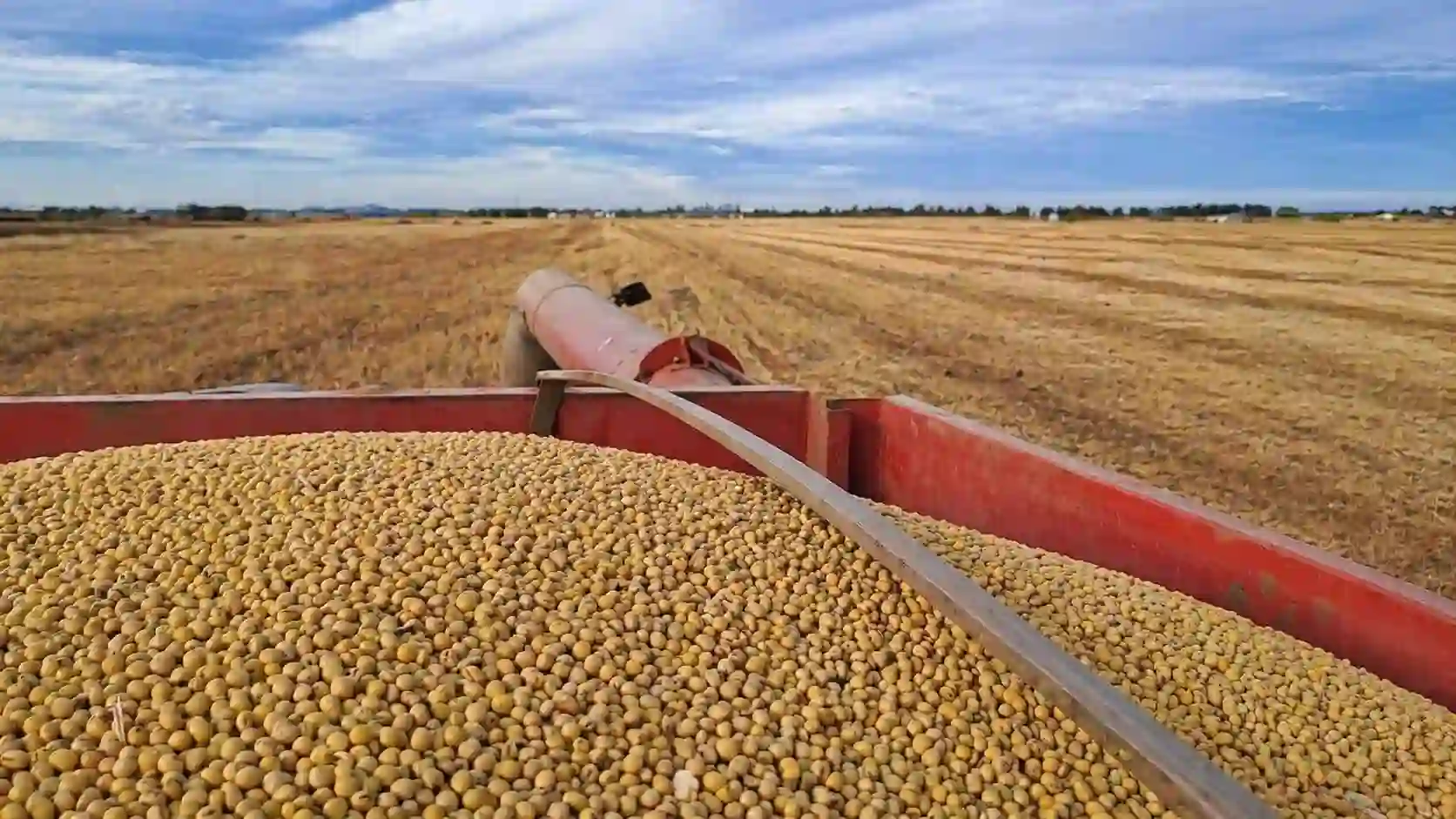
April 2026 · Case Analysis · Lithium · Argentina
When the Supplier Fails at 4,000 Metres: Lessons from Eramet's Centenario Plant
A supplier design failure at Eramet's Centenario DLE plant reveals what industrial technology providers must know before entering Argentina's lithium highlands.
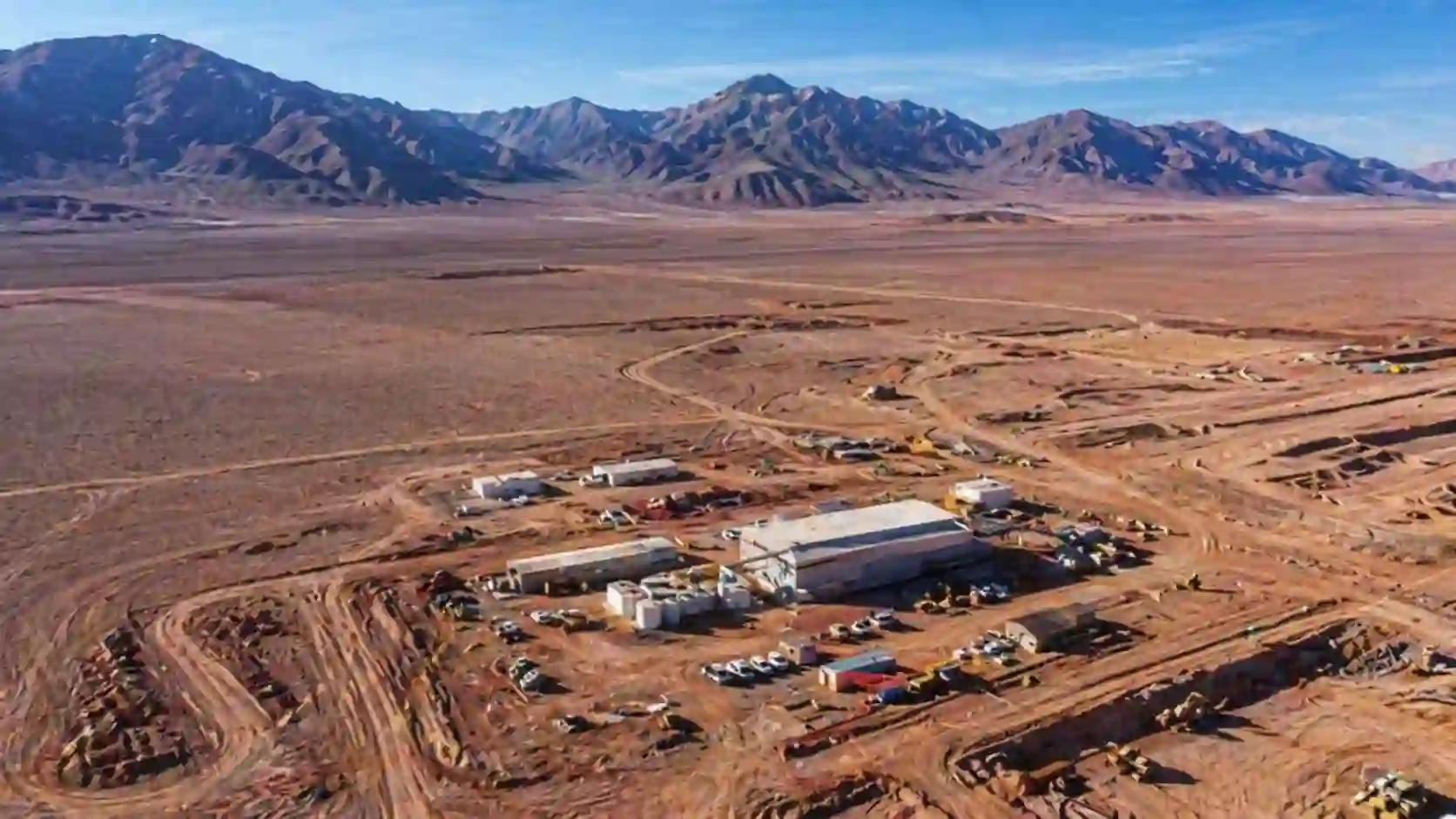
Argentina
All Argentina InsightsJune 2026 Argentina archive
June 2026 · Argentina · Chile · Vaca Muerta · Oil Exports · LNG
Vaca Muerta’s Pacific Question: Can Chile Become Argentina’s Oil Exit to Asia?
Chile can become Vaca Muerta’s Pacific oil exit, while Argentina’s LNG future stays Atlantic-facing. The Trans-Andean route gives crude a working corridor through Chile; VMOS and Argentina LNG keep the scale story on the Atlantic.
June 2026 · Antarctica · Climate Data · Marambio
Penguin Guano, Climate Data and Argentina’s Role in Antarctica
A 2025 study near Marambio shows how penguin guano can contribute to climate-relevant aerosol particles. The stronger signal is infrastructure: research stations, air access, sensors, logistics and institutions.
June 2026 · Critical Infrastructure · PIAP · Vaca Muerta
Argentina’s Critical Infrastructure: PIAP & Vaca Muerta
The proposed reactivation of the PIAP heavy-water plant in Neuquén is a test of whether Argentina can turn dormant strategic infrastructure, Vaca Muerta gas and specialized global demand into credible industrial market value.
May 2026 Argentina archive
May 2026 · Energy · Fertilizer Security · Vaca Muerta
From Gas to Urea: Could Vaca Muerta Become South America’s Fertilizer Security Platform?
Vaca Muerta’s strategic role could extend beyond gas exports into nitrogen fertilizer. The question is whether Argentina can turn shale gas into competitive urea and build an Atlantic-facing fertilizer platform for South America.
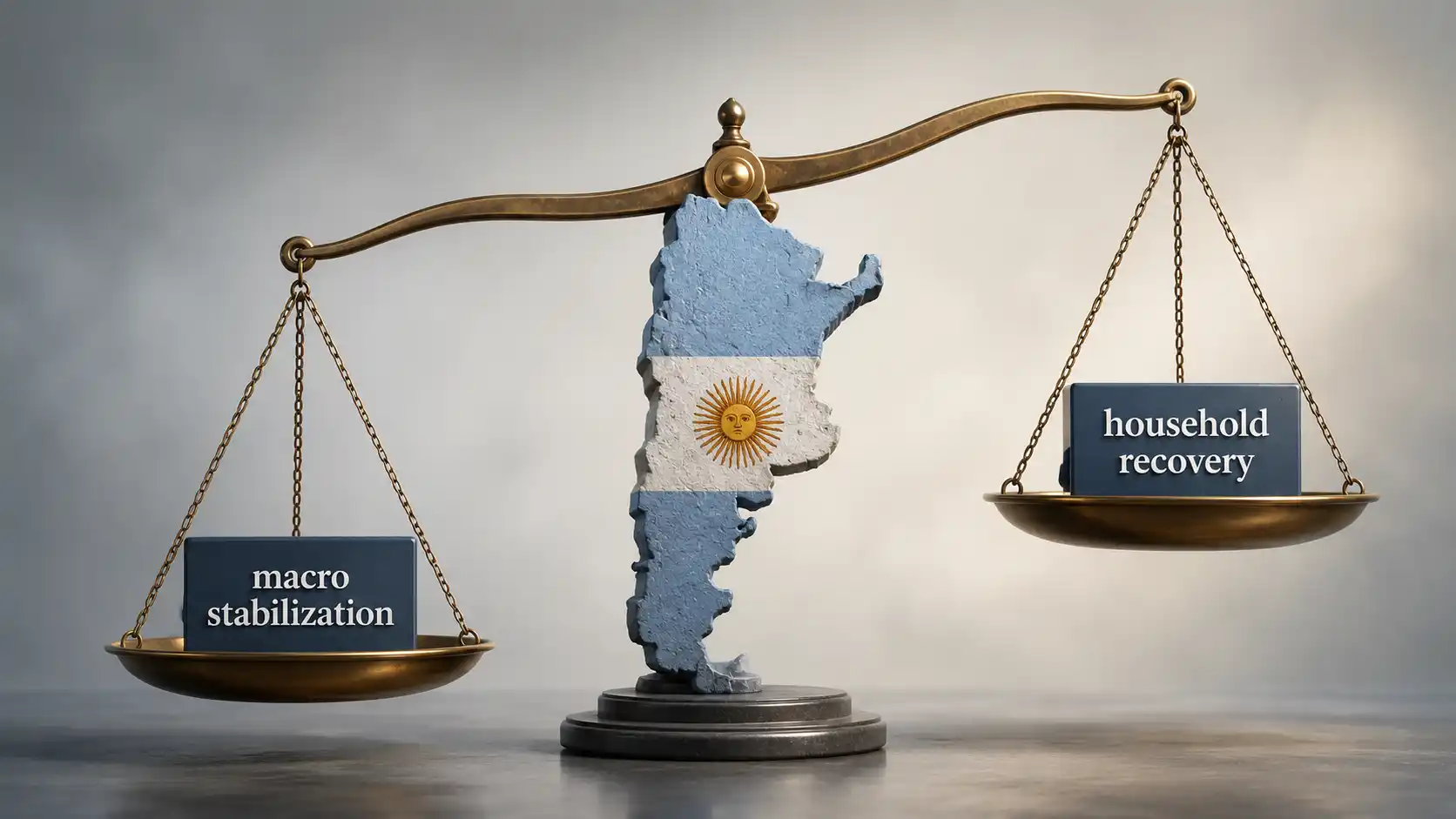
May 2026 · Macroeconomy · Stabilization · Households
Argentina’s Stabilization Gap: Why Macro Repair Still Feels Fragile
Argentina’s 2024–2026 transition is best understood as a stabilization gap: inflation, country risk and macro credibility have improved faster than household purchasing power, labor-market stability and social trust.
May 2026 · Retail · Market Entry · Strategy
Argentina’s Retail Paradox: Why Global Brands Are Entering a Weak Consumer Market
Retail consumption is weak, yet global brands like Decathlon and H&M are entering or preparing market entry. The signal is market opening, import liberalisation and long-term positioning.

April 2026 Argentina archive
April 2026 · Energy · Vaca Muerta · Industrial Node
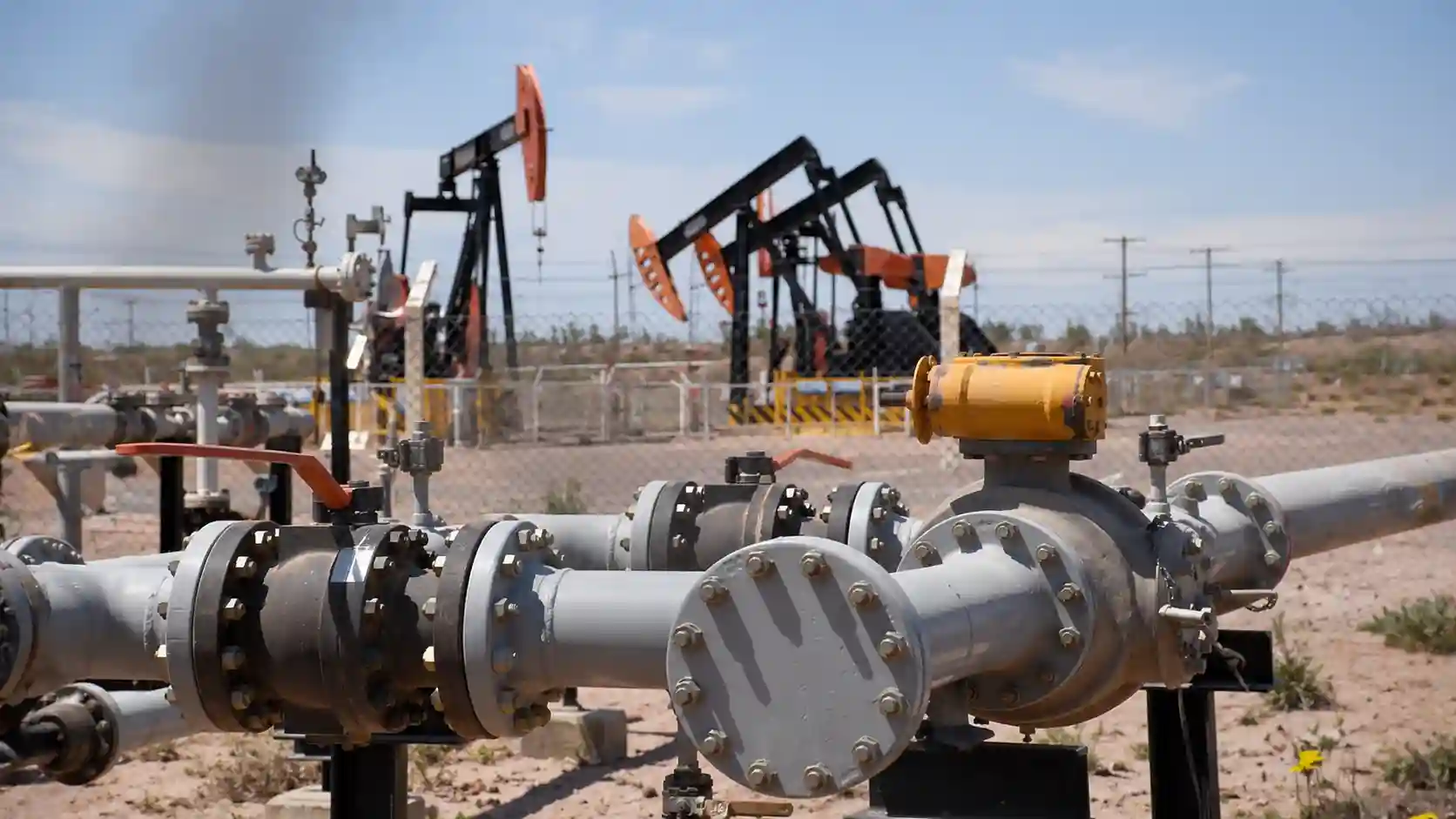
Añelo: Where Vaca Muerta Becomes Operational Reality
A small town in Neuquén has become the operational core of Argentina's shale industry — and the supply chain gap it reveals is the real story for international industrial firms.
April 2026 · Land · Supply Chain · Patagonia
Benetton in Patagonia: Land, Wool, and the Long History Behind a Supply Chain
Benetton is Argentina's largest private landowner — 920,000 hectares across four provinces. The Mapuche territorial conflict remains unresolved and escalated in 2025.

April 2026 · Industry · Electronics · Tierra del Fuego
Mirgor: What a Manufacturer at the Edge of the World Reveals About Argentine Industry
USD 2.5 billion in annual revenue from Río Grande, assembling Samsung devices and supplying global automakers. A lens on Argentine industrial policy under pressure.

Brazil
All Brazil InsightsJune 2026 Brazil archive
June 2026 · Critical Minerals · Rare Earths · Minas Gerais
Brazil’s Critical Minerals Question: Can Minas Gerais Become Europe’s China Alternative?
China refines most of the world’s rare earths. Brazil holds some of the largest reserves on the planet. Minas Gerais is the test of whether geology can become processing, Western offtake, financing and industrial leverage.
June 2026 · Capital Markets · China · Yuan Finance
Brazil’s First Panda Bond: Yuan Finance and China Strategy
Brazil is preparing its first sovereign Panda bond in China. The move shows how South America’s largest economy is widening its funding options, deepening China ties and testing whether the yuan can become a practical capital-market channel.
April 2026 Brazil archive
April 2026 · Industry · Vertical Integration · Supply Chain
Faber-Castell in Brazil: What a Pencil Forest Teaches About Competitive Advantage
10,000 hectares of pine in Minas Gerais and a closed raw-material loop built decades ago. Vertical integration with a long lead time is what structural resilience looks like.

April 2026 · Industry · Santa Catarina · Family Business
Blumenau and the Long View: What the Itajaí Valley Reveals About Industrial Continuity
Santa Catarina's industrial model shows what long-cycle manufacturing continuity looks like when family firms, regional identity and export logic converge.

April 2026 · Ecology · Energy Transition · Regulation
Green Gas in Brazil: How Waste Is Becoming a Scalable Energy Model
Brazil's Fuel of the Future law creates structural demand for biomethane — and a gap between legislative ambition and installed capacity.

Chile
All Chile Insights
April 2026 Chile archive
April 2026 · Trade Policy · Regional Integration · Mercosur
Chile and Mercosur: Close, but Not Bound
Chile has been connected to Mercosur for nearly thirty years — and has never joined. An analysis of why Santiago pursues regional anchorage without surrendering its freedom to manoeuvre.

April 2026 · Ecology · Critical Minerals · CRMA
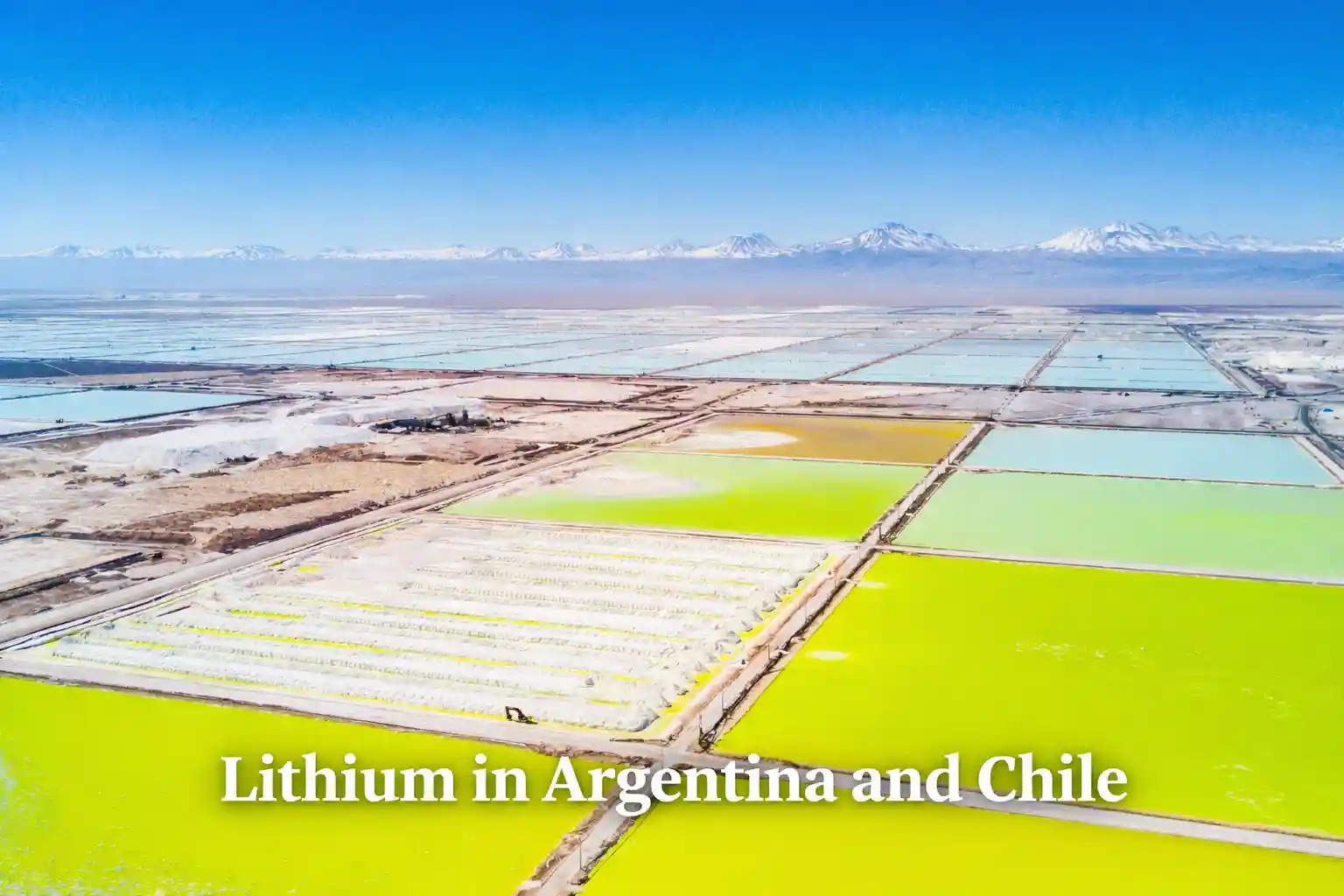
Lithium in Argentina and Chile: Where Europe's Raw Material Interest Meets Local Reality
Europe reads lithium as a supply-chain opportunity. On the ground, it is a question of water governance, institutional capacity and functioning projects.
April 2026 · Natural Resources · Value Chain · Export
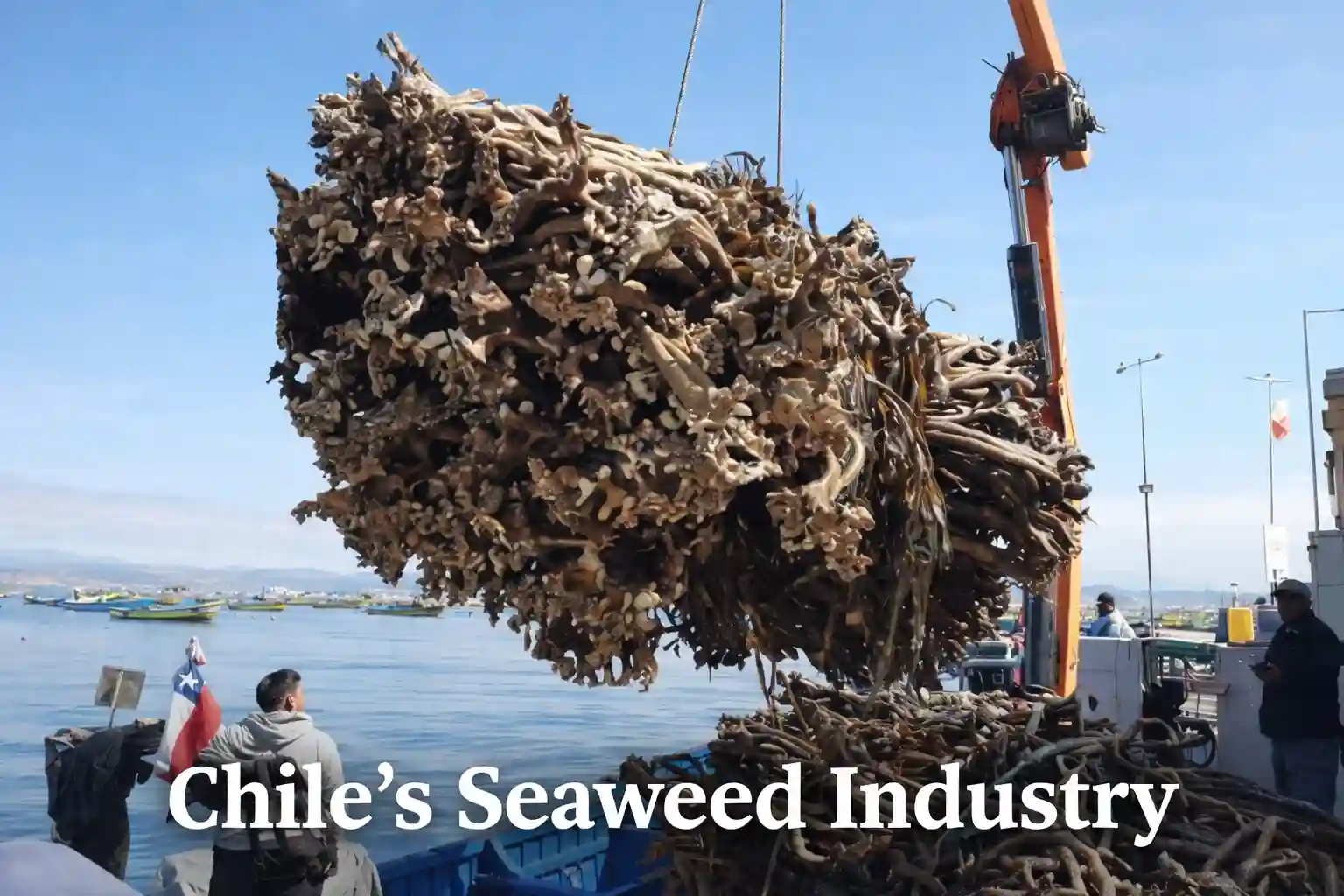
Seaweed from Chile: When Sustainability Is Not a Promise but a Cost Structure
Chile's Atacama Desert eliminates the drying energy cost every other producer must pay — a structural advantage embedded in geography.
April 2026 · Technology · Venture Capital · Market Entry
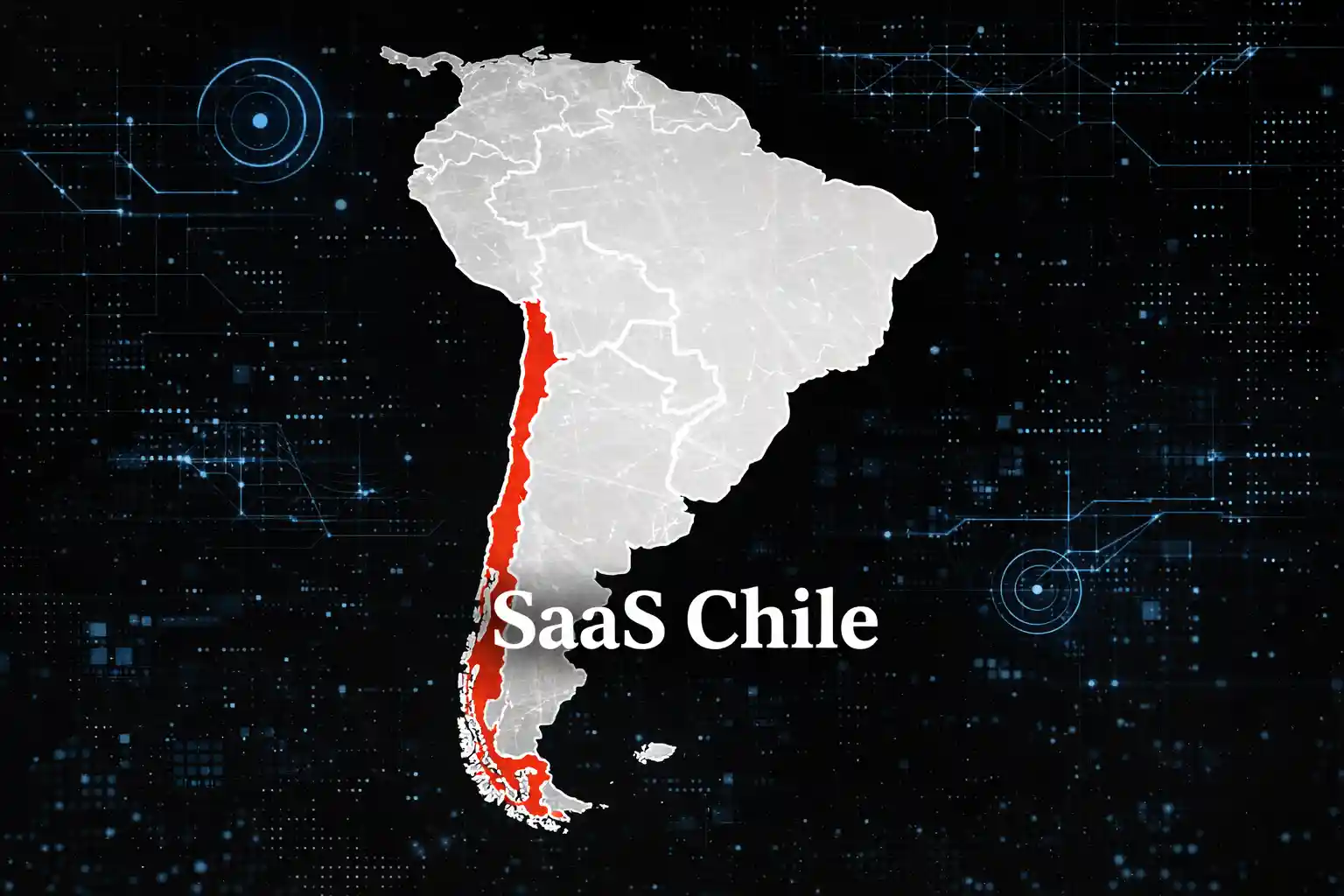
LATAM SaaS: Chile, the Southern Cone, and What Early-Stage Markets Actually Teach
Chile and Argentina represent a distinct SaaS tier: lower competitive saturation, growing venture ecosystems and underdigitised enterprise sectors.
Paraguay
All Paraguay Insights
April 2026 Paraguay archive
April 2026 · Economy · Mercosur · Energy
Paraguay's Role in Mercosur: The Logic of the Periphery
Paraguay performs three structural functions larger Mercosur members cannot replicate: export platform, net energy exporter and low-tax jurisdiction.

April 2026 · Trade · Re-export · Market Structure
Shopping China: What Ciudad del Este's Informal Trade Reveals About Regional Market Architecture
Ciudad del Este is not informal chaos — it is a structurally coherent re-export system serving Brazil, Argentina and beyond.

Uruguay
All Uruguay Insights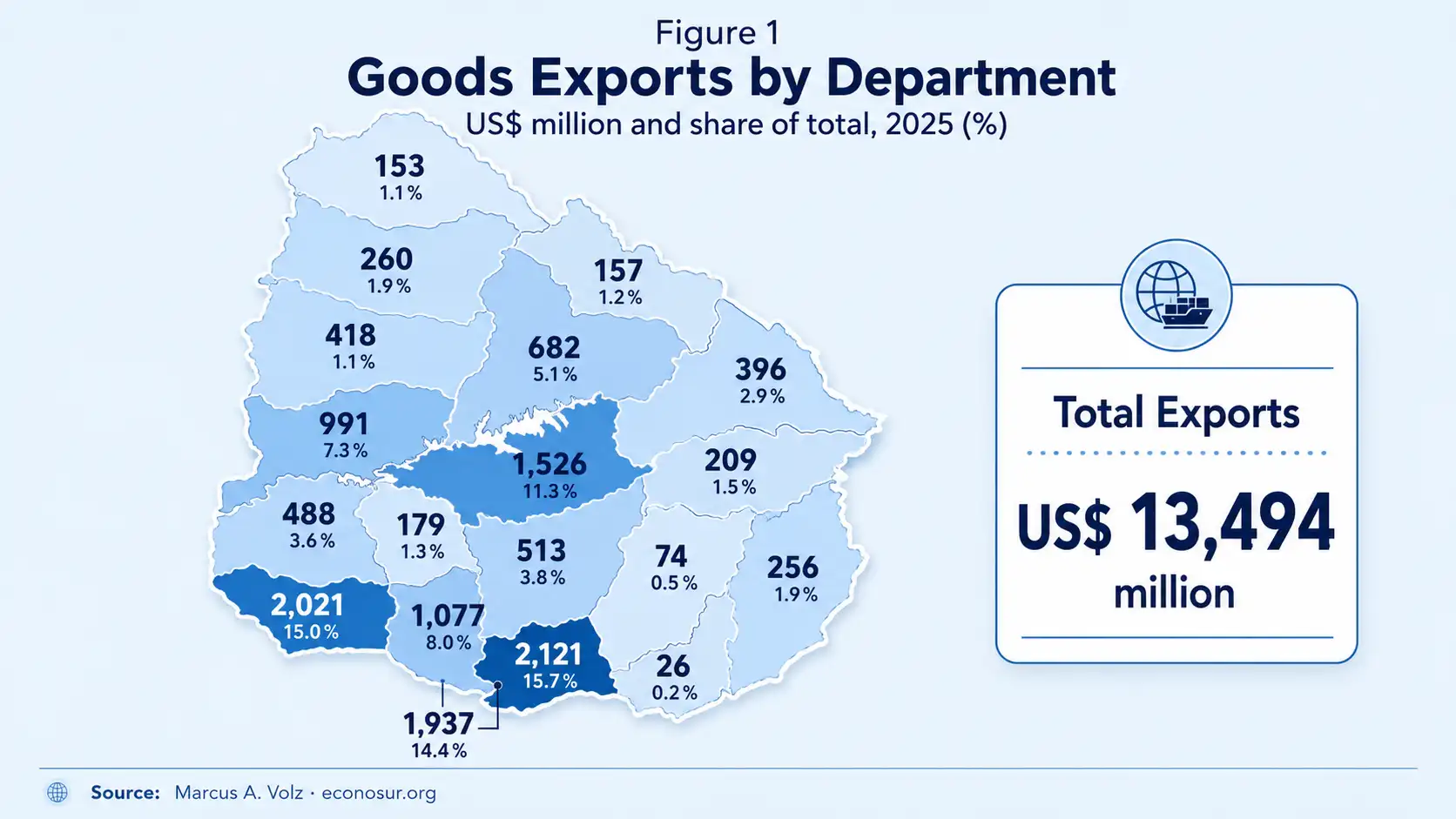

April 2026 Uruguay archive
April 2026 · Economy · Market Entry · Mercosur
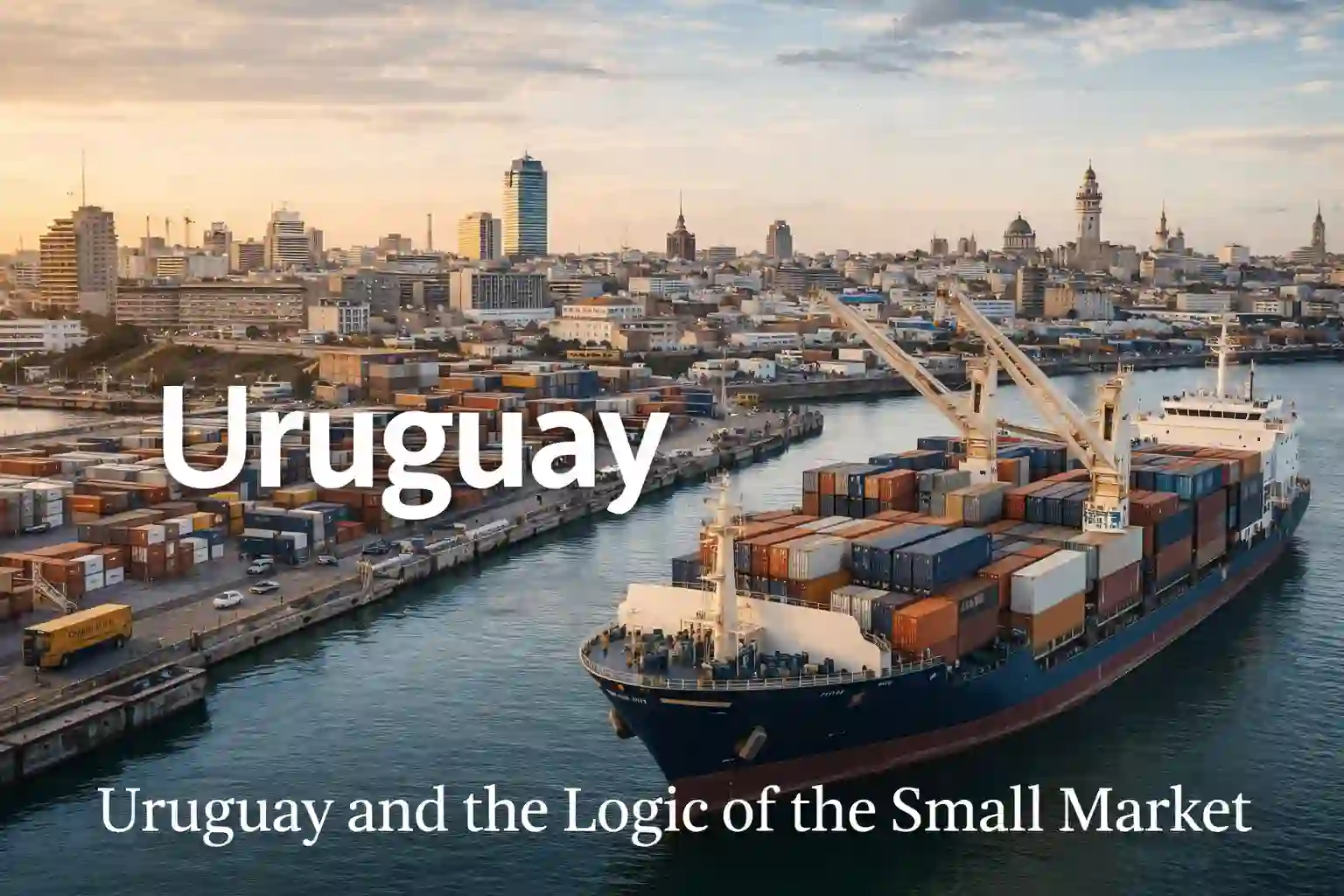
Uruguay and the Logic of the Small Market: Why the Road to Brazil Often Runs Through Montevideo
For companies entering Mercosur, Uruguay's legal certainty and bloc-wide market access make it a structurally undervalued entry point.
April 2026 · Forestry · Trade · Supply Chain
Pulp from Uruguay: How a Small Country Built an Export System That Europe Can Work With
Certification density, logistics infrastructure and EUDR readiness combine into a supply chain that demanding markets can rely on.

April 2026 · Economy · Tourism · Market Structure
Uruguay's Tourism Market: High Volume from the Neighbourhood, High Value from Further Away
Argentina accounts for most arrivals, while Europeans and North Americans generate significantly higher value per visit.

Key Econosur Questions
What does Econosur Insights cover?
Econosur covers structural market logic across the Southern Cone: country-specific cases, Sea Lion, South Atlantic offshore risk, Antarctic science, South Atlantic logistics, Paraguay maquila production, Brazil-linked industrial location, export geography, territorial production clusters, cross-border systems, macroeconomic stabilization, household pressure, labor-market transmission, fertilizer security, Vaca Muerta, trade corridors, energy, resources, agriculture, critical minerals, Chile-China trade, platform competition, digital infrastructure, AI infrastructure and B2B market access.
Why does Econosur analyze Paraguay’s industrial location?
Because Paraguay shows how a small domestic market can matter through function: maquila rules, hydropower, border logistics, Mercosur origin rules and proximity to Brazil can turn selected production steps into a regional industrial opportunity.
Why does Econosur analyze Antarctic climate data?
Because Antarctic climate data shows how geography becomes operational capability. Argentina’s Marambio Base, Ushuaia logistics, scientific institutions and South Atlantic position matter when remote environmental signals need to be measured, maintained, transmitted and interpreted.
Why does Vaca Muerta’s Pacific route matter?
Because Argentina’s shale boom is no longer only a production story. The next market question is export geography: crude oil can use a working Pacific corridor through Chile, while the larger oil and LNG scale projects still point toward Río Negro and the Atlantic.
Why does critical infrastructure matter for South America?
Because market access is not only created by roads, ports and pipelines. Dormant industrial assets, energy inputs, strategic plants, concession models and specialized supply chains can determine whether resource potential becomes operational market value.
Why does earthquake risk matter for infrastructure investment?
Because earthquakes expose more than geological hazard. They show whether buildings, power grids, ports, airports, hospitals, emergency logistics, insurance structures and public-sector risk planning keep functioning under stress.
Why combine country analysis with regional systems?
Because Southern Cone markets are shaped by national institutions and regional dependencies at the same time. Trade corridors, waterways, energy systems, fertilizer supply chains, critical minerals and platform infrastructures often cross borders.
Why does Brazil’s Eco Invest program matter?
Because Eco Invest shows how Brazil is using climate finance as a politically acceptable form of industrial policy. The fifth auction connects foreign capital, FX-risk mitigation, research links and technology localization with strategic value chains such as green fertilizers, critical minerals, batteries, sustainable fuels, automation, green chemistry and circular industrial waste.
Why does Brazil’s critical minerals question matter?
Because rare earths are no longer only a mining story. The strategic question is whether Brazil can connect geology with processing, financing, Western offtake, technology transfer and social licence. Minas Gerais shows whether Europe’s China alternative can become an operational chain rather than a diplomatic headline.
Why does water infrastructure matter in lithium regions?
Because lithium expansion in Argentina and Chile depends on much more than reserves. Brine handling, desalination, pumping, DLE systems, treatment plants, reinjection, monitoring, permitting and local trust increasingly determine whether projects can move from resource potential to operational reality.
Why does Chile’s China connection matter?
Because Chile’s copper, lithium, energy infrastructure and trade architecture are tied to Chinese industrial demand. The issue is exports, processing capacity, infrastructure, battery supply chains and the limits of diversification.
Why does fertilizer security matter for South America?
Because the region exports food at scale while remaining exposed to global input systems. Urea, ammonia, natural gas, maritime chokepoints and Brazil’s agricultural demand connect fertilizer security directly to energy, logistics and geopolitical resilience.
Why do bioceanic corridors matter?
Because Atlantic-Pacific corridors change more than transport routes. They create inland logistics platforms, shift port relevance, expose bypassed territories and influence where companies should monitor future infrastructure, customs capacity, warehousing, border crossings and regional market access.
Why does AI infrastructure matter for South America?
AI infrastructure makes the physical layer of the digital economy visible again. Power, cooling, fiber, data centers, technical operators, financing and regional demand increasingly determine whether digital ambition becomes operational capacity.
Why does pharmaceutical industry analysis matter for Mercosur?
Because pharma connects market size, regulation, import dependence, biosimilars, generics, local production, public procurement and the EU-Mercosur agreement. It shows whether the region becomes a more integrated industrial and regulatory platform or remains a set of separate access problems.
Who should use these insights?
These insights are designed for international decision-makers, companies, analysts, investors, consultants and regional observers who need grounded market intelligence rather than generic macroeconomic summaries.
Sea Lion, South Atlantic offshore risk, Antarctic science, climate data, South Atlantic logistics, industry and trade, Paraguay maquila production, Brazil-linked industrial location, macroeconomic stabilization, household pressure, labor-market transmission, land and agriculture, Vaca Muerta, fertilizer security, pharmaceutical market structure, Mercosur pharma, energy and resources, critical minerals, earthquake risk, infrastructure resilience, lithium water infrastructure, DLE, desalination, rare earths, Minas Gerais, Chile-China trade, trade corridors, inland waterways, digital platforms, platform dependency, digital infrastructure, AI infrastructure, automotive market shifts, retail market entry dynamics, and the structural conditions that shape how the Southern Cone functions.
Econosur is an independent English-language platform for strategic market insights, market analysis and regional intelligence across Argentina, Brazil, Chile, Paraguay, Uruguay, Bolivia and the wider Southern Cone. It is built for international readers who need analysis grounded in the region rather than generic macro summaries.