
Argentina Market Insights
Current Econosur analysis of Argentina’s soy export industry, Vaca Muerta investment, copper projects and supplier systems, freight rail, lithium, energy project execution, infrastructure, industry, agriculture, consumer markets and trade — organized as a multi-sector country hub with a focus on the point where market structure becomes visible through companies, assets, infrastructure, contracts and operating activity.

Production systems change more slowly than macro headlines. This hub tracks the points where policy, infrastructure, projects, companies and demand become operationally visible.
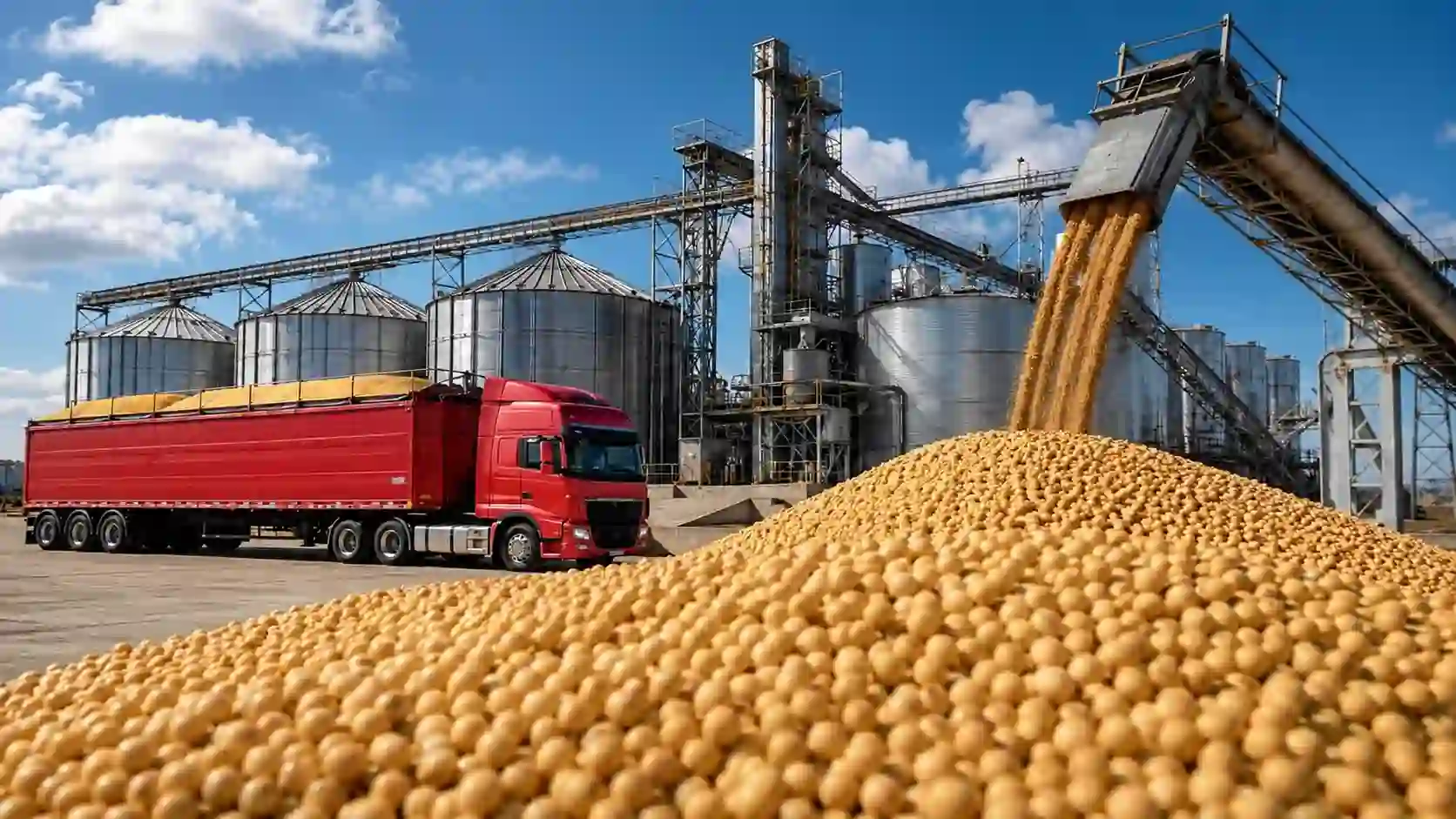
Argentina’s soy industry shows why export leadership, processing capacity and infrastructure control must be separated.
Bunge leads first-half 2026 soybean-complex export registrations, while crushers, port operators, joint ventures and the Paraná waterway form separate layers of control. The October analysis maps how export commitments, physical assets, logistics and tax rules interact across one of Argentina’s most important export systems.
The latest analysis stays visible; older work moves into monthly archives.
The page remains balanced across sectors while preserving a chronological record of how Argentina’s market structure changes through projects, infrastructure and operating evidence.
Latest Argentina analysis
October analysis remains visible. September and earlier work is preserved in closed monthly archives below.
Argentina by market system
All sectors remain equal entry points into the country hub.
Argentina’s copper market is already creating engineering, power, road, drilling, logistics and supplier demand before new large-scale production begins. September updates at Taca Taca, Vicuña and Los Azules show that supplier preparation, road contracts, procurement systems and project finance are moving in parallel.
The next expansion cycle links provincial authority and high-altitude execution with local supplier capacity, DLE technology, water systems and project-specific procurement.
Production becomes market value through drilling, processing, pipelines, LNG, ports and export routes. The key 2026 question is increasingly whether several large projects can move through procurement and construction at the same time.
Argentina’s freight-rail reset separates mandatory rehabilitation from optional corridor investment. The commercial test is where agriculture, mining and industrial freight can support additional infrastructure capital.
Protected industrial systems, dormant strategic assets and new capital projects reveal the distance between policy intent and operating capability.
Soy processing, export infrastructure, fertilizer security, land systems and agricultural value chains show how production volume becomes industrial and export value.
The hub tracks how macro reform reaches households, retail demand, science infrastructure, logistics and territorial operating conditions.
Earlier Argentina analysis
Archives preserve publication order while current updates remain visible above.
September 2026 Archive 3 Econosur analyses + 1 external publication
Who Is Investing in Vaca Muerta? Where the Capital Is Actually Going
Vaca Muerta investment now spans upstream development, pipelines, gas processing, LNG, asset acquisitions, project finance and oilfield services. The analysis separates announced capital from RIGI approval, FID, construction and operating investment.
Read analysis →
Argentina’s Copper Buildout: Where the Supplier Opportunity Starts Before Production
External article by Marcus A. Volz connecting Vicuña and Los Azules with engineering, early works, infrastructure, supplier qualification and procurement before commercial copper production begins.
Read at Global Mining Review ↗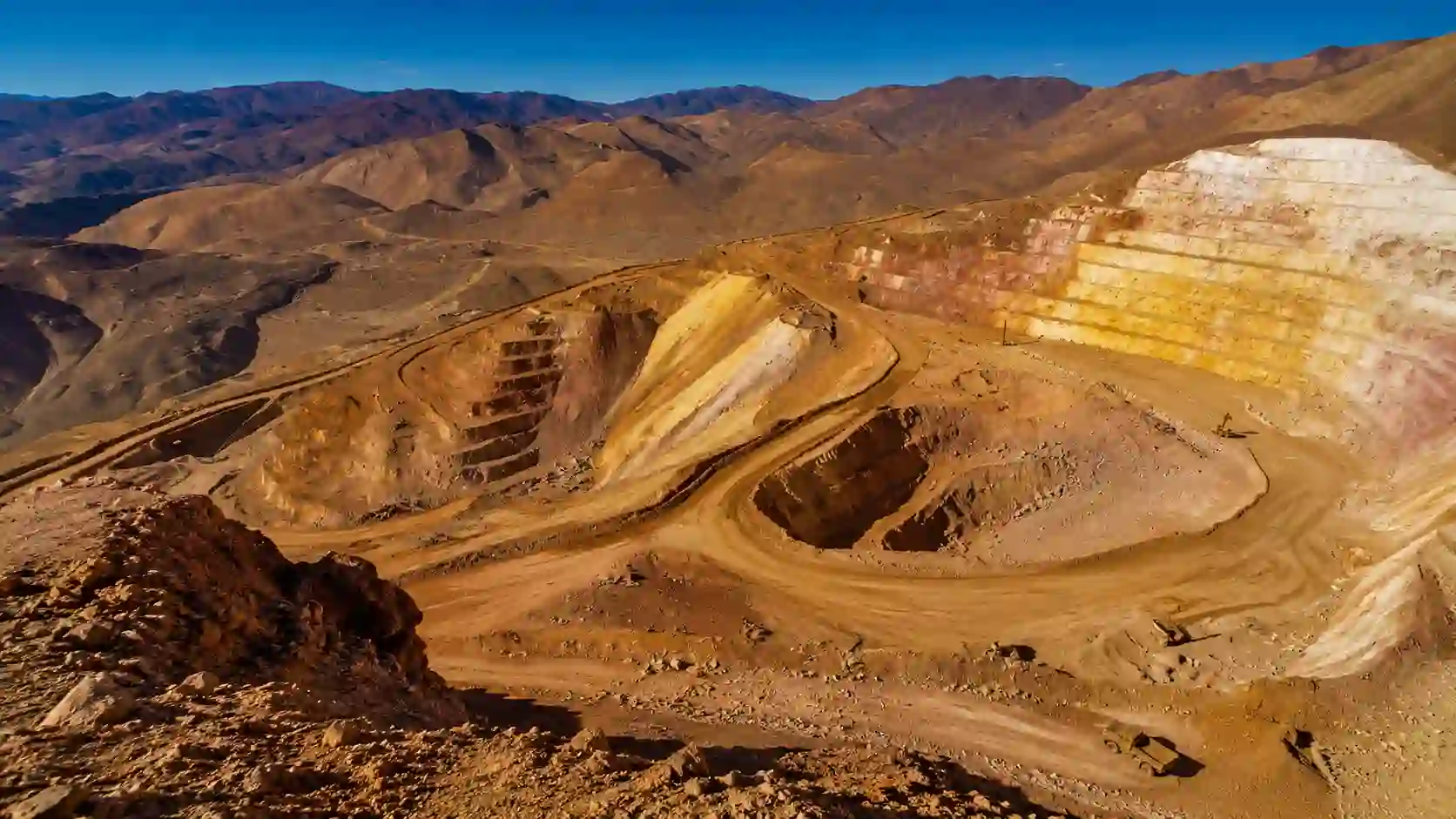
Taca Taca Supply Chain: Key Companies and Project Roles
The visible project chain spans Canada, Argentina, Australia, the United States and Chile. The analysis maps First Quantum, Corriente Argentina, Lycopodium, Fluor, water consultants, rail routes, local suppliers and potential partners.
Read analysis →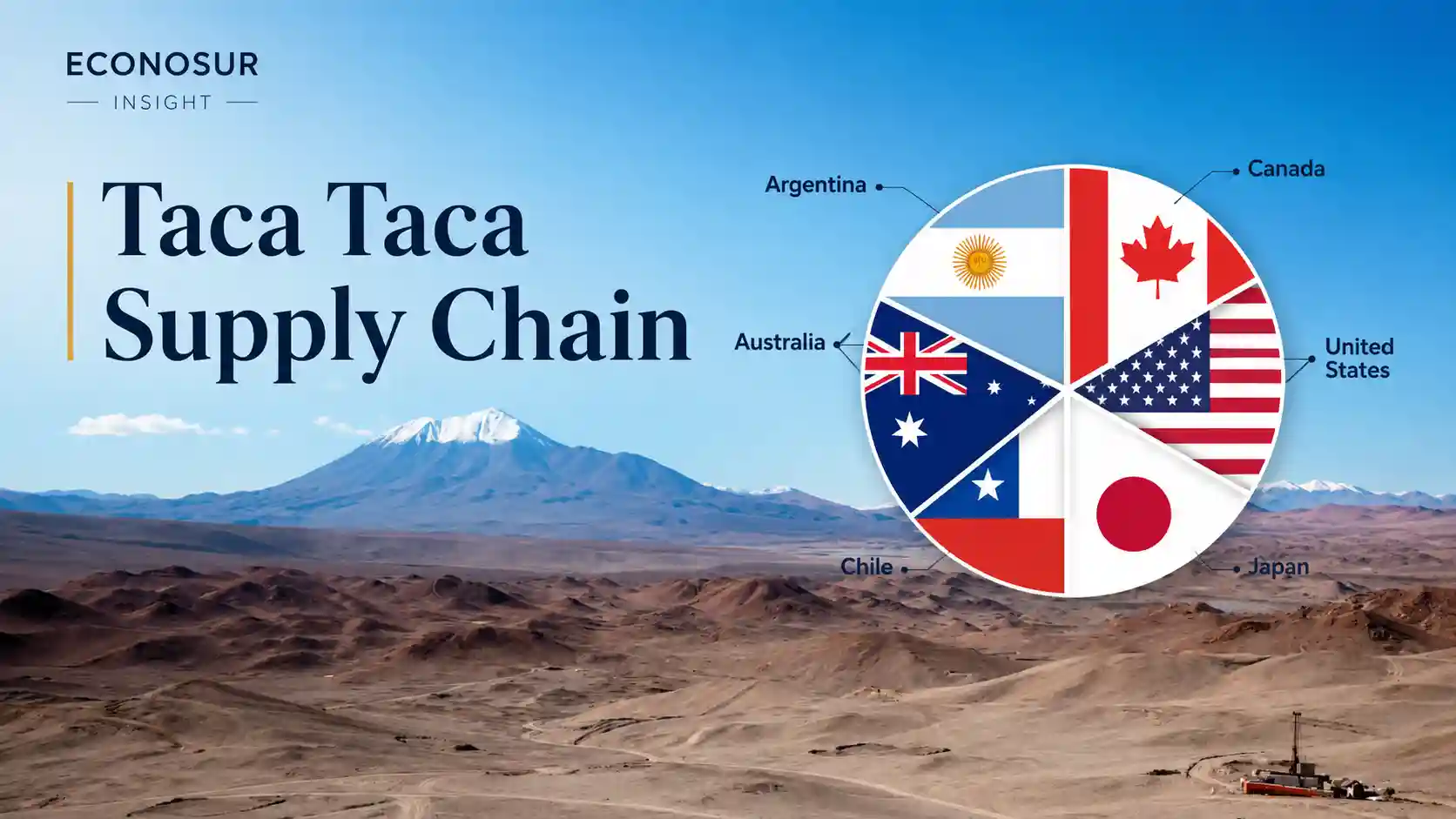
Taca Taca Copper Project: Project Status, Infrastructure and Supplier Opportunities
First Quantum’s Taca Taca development combines approximately US$5.25 billion in development capital with large-scale processing, a new 345 kV power connection, water infrastructure and rail access toward Chile.
Read analysis →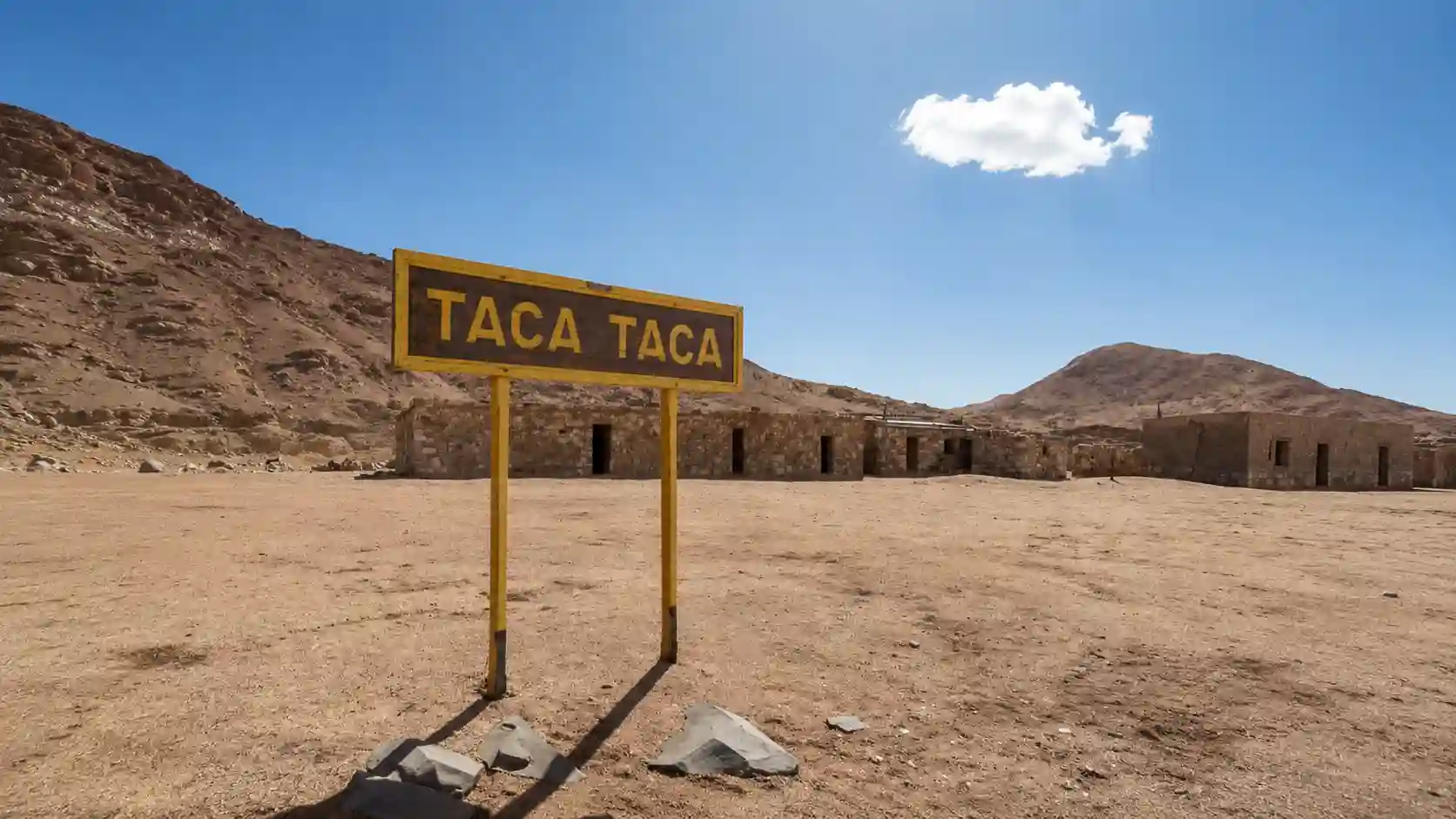
August 2026 Archive 5 Argentina analyses
Argentina’s Freight Rail Reset: Which Corridors Will Private Capital Actually Rebuild?
Argentina has opened 7,594 kilometres of freight-rail infrastructure to 50-year private concessions. The analysis maps the open-access structure, mandatory works, optional corridors, RIGI and the freight-demand question behind future investment in Belgrano, San Martín and Urquiza.
Read analysis →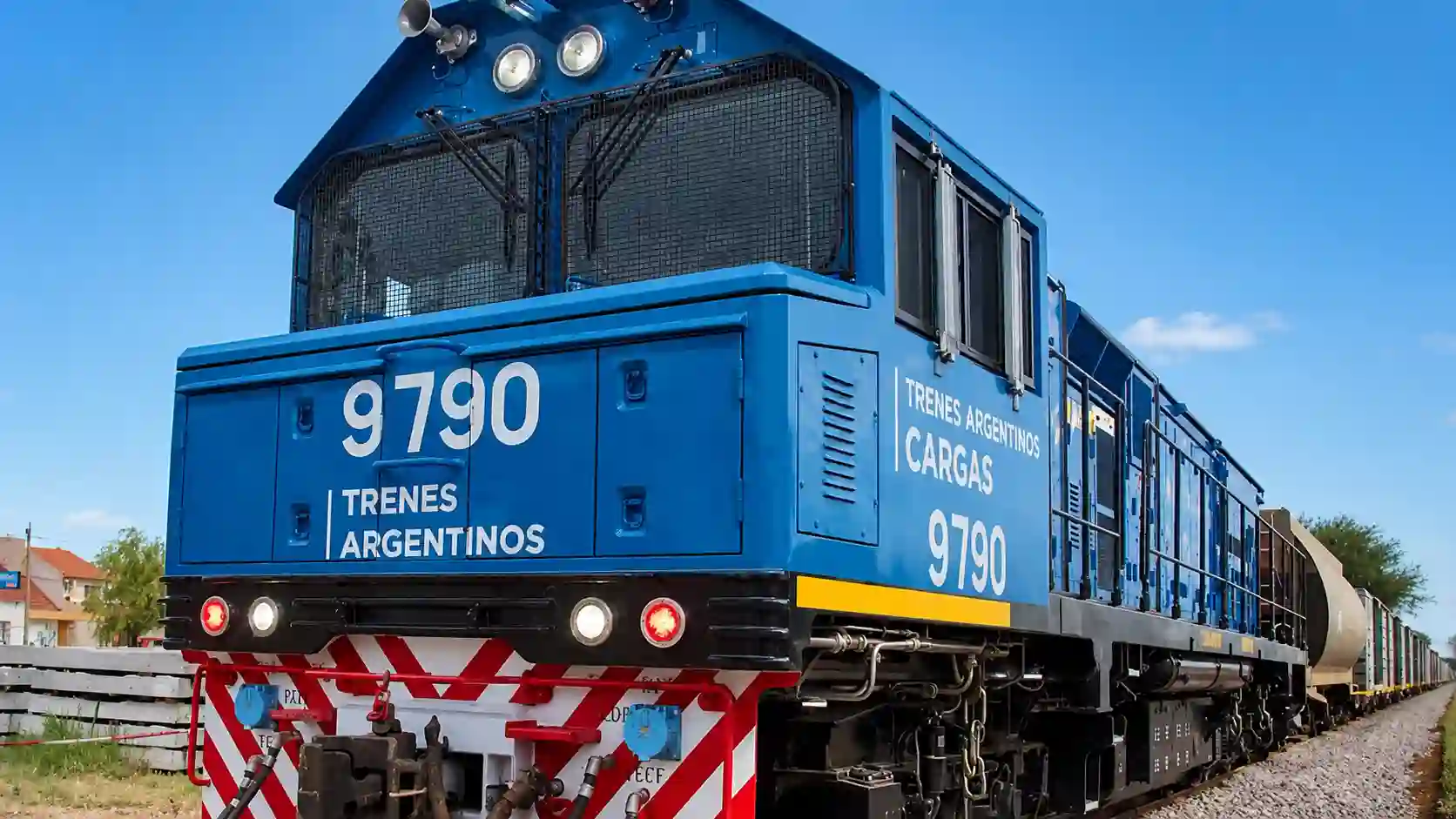
Rincón vs. Sal de Oro: Two Lithium Procurement Models in Argentina
Rio Tinto’s Rincón and POSCO’s Sal de Oro II retain the owner at the first supplier gate but use different engineering and execution structures below it. The case maps qualification, contractor roles and package-level buying points.
Read analysis →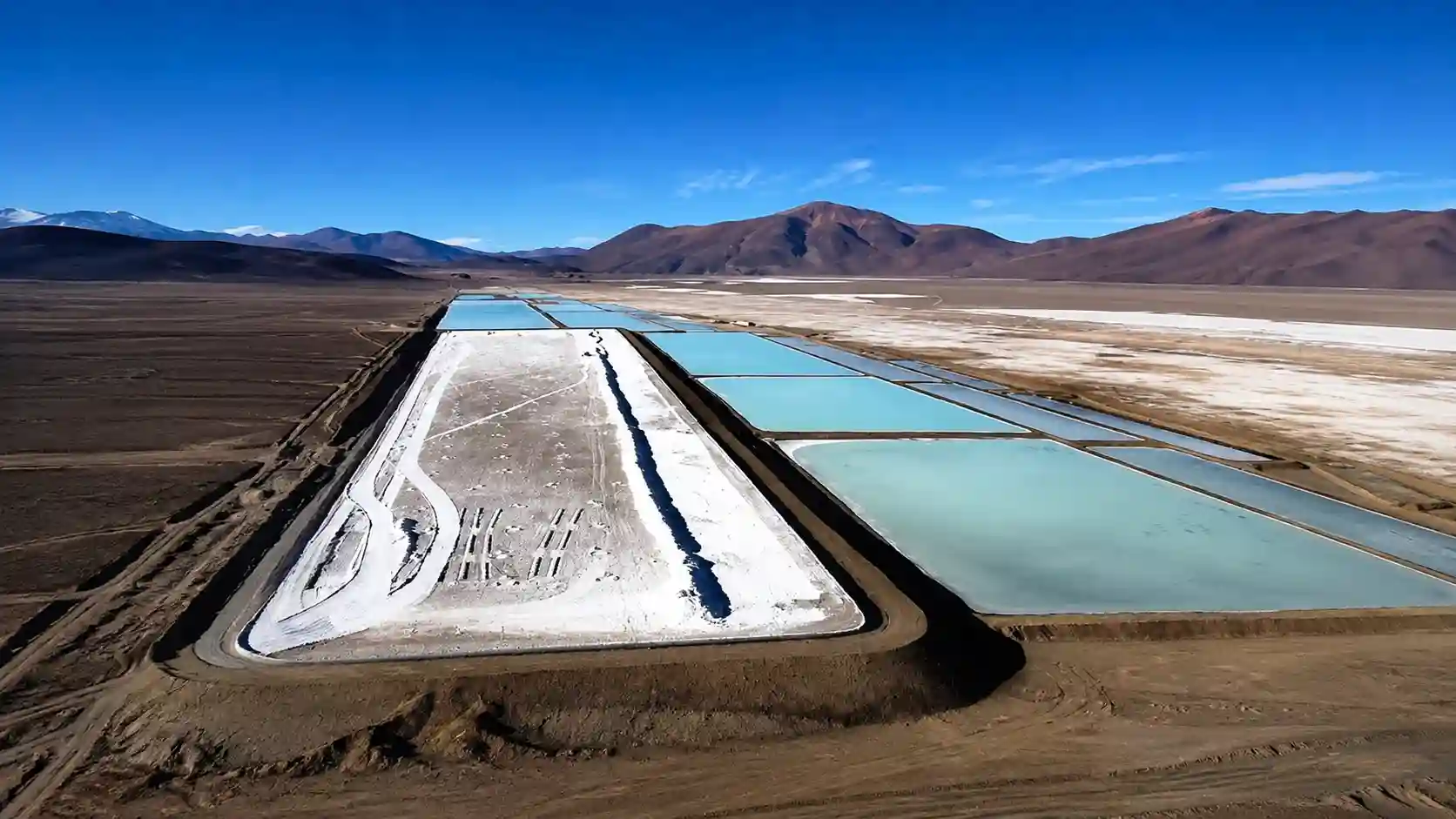
Who Will Supply Argentina’s Next Lithium Expansion?
Argentina’s next lithium cycle is creating project-specific demand across Jujuy, Salta and Catamarca. The analysis maps expansion stages, local supplier capacity, DLE technology and the procurement routes open to international specialist suppliers.
Read analysis →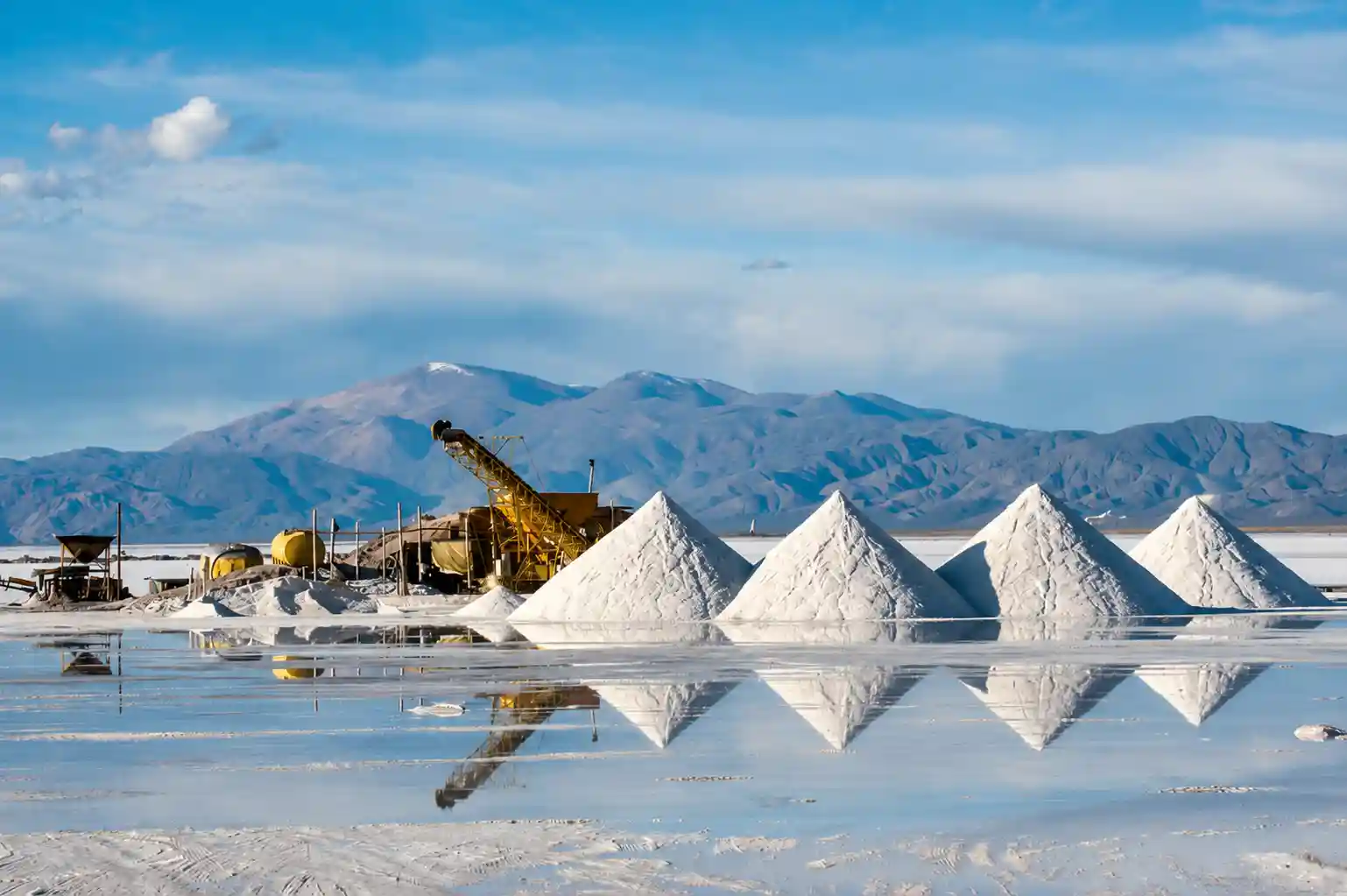
Argentina’s RIGI Energy Pipeline: The Next Constraint Is Execution
RIGI is moving from investment approval toward drilling, EPC construction, pipelines and LNG export infrastructure. The next commercial constraint is the capacity of projects, contractors and suppliers to execute several large programs at the same time.
Read analysis →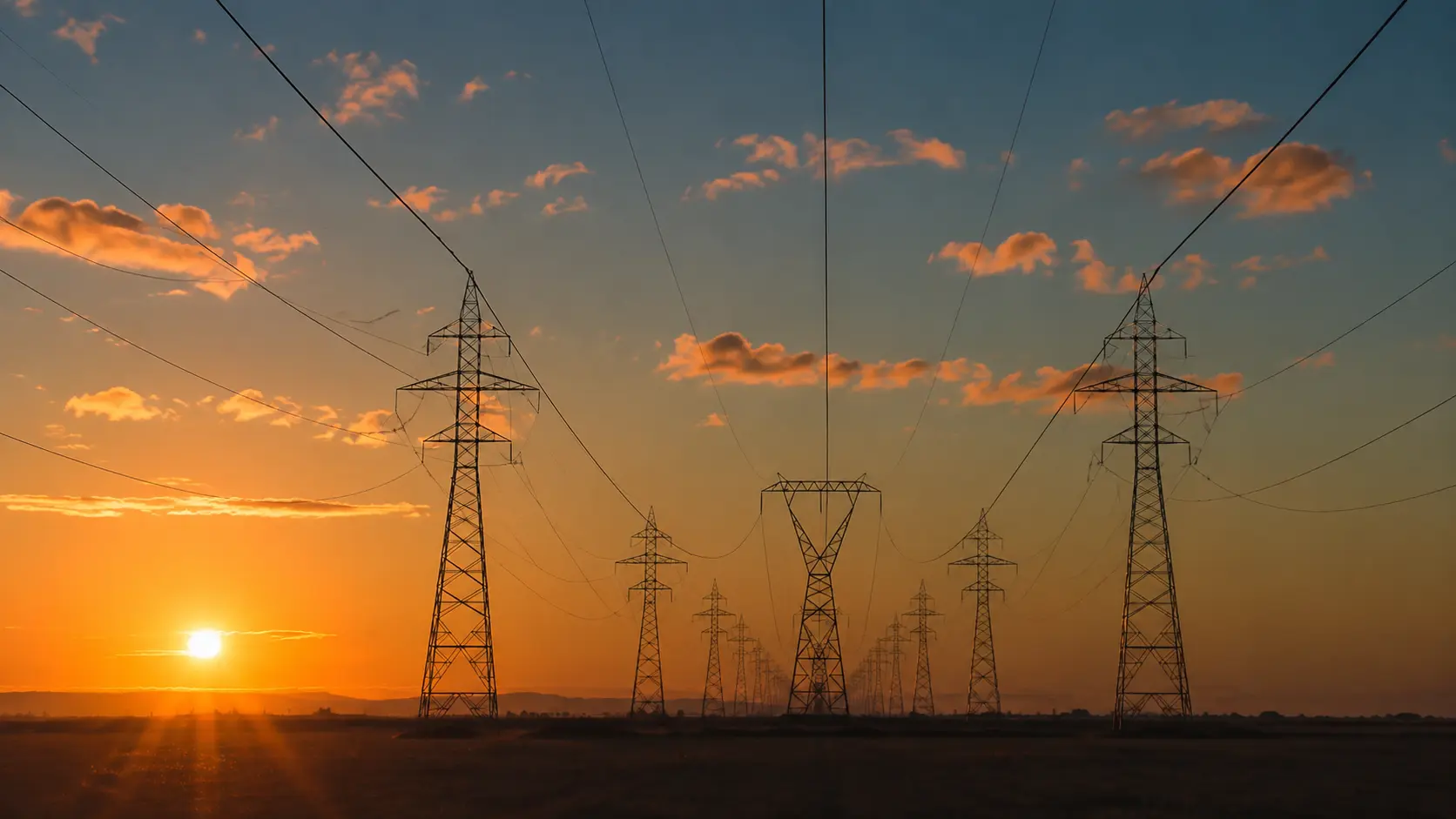
The End of Argentina’s Dollar Season
Energy and mining are weakening Argentina’s seasonal dollar cycle by changing when export dollars arrive, while debt service and private foreign-currency demand continue to constrain the external balance.
Read analysis →
July 2026 Archive 5 Argentina analyses
Argentina’s Copper Economy Before the First New Mine
Argentina has had no large-scale copper production since 2018, but engineering, roads, power infrastructure, early works and supplier procurement are already creating a measurable pre-production market.
Read analysis →
Josemaría Power Corridor: Who Controls Argentina’s Copper Grid?
Vicuña is prepared to finance the 500 kV infrastructure required for Josemaría. The conflict begins where its proposed priority reaches into a regional corridor used by other projects and the wider electricity system.
Read analysis →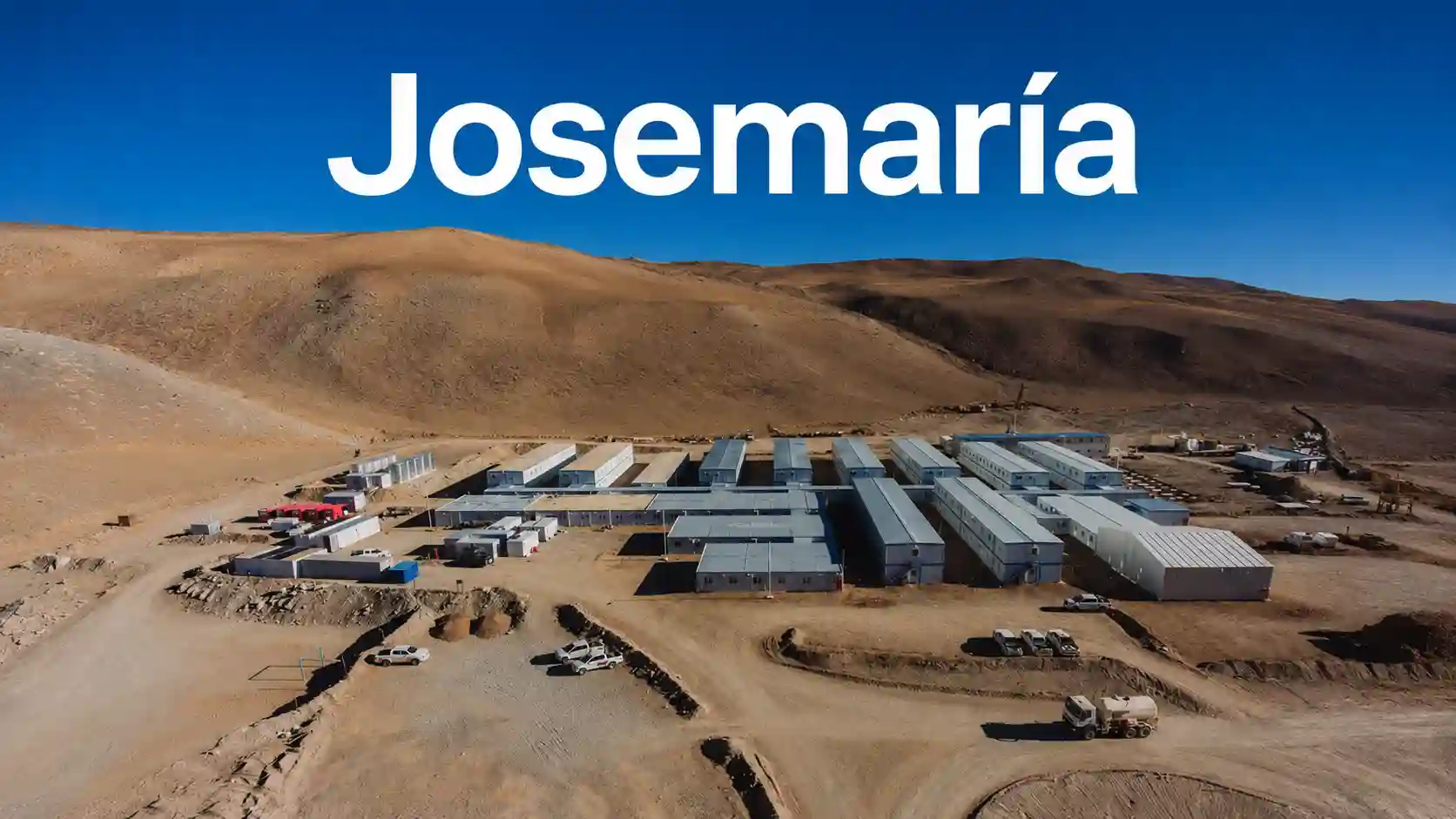
Sea Lion Oil and Argentina’s Atlantic Energy Narrative
Sea Lion is moving from a delayed discovery toward offshore development. For Argentina, it creates an investor-risk and export-corridor question alongside the country’s Vaca Muerta strategy.
Read analysis →
Eramet Centenario: DLE Ramp-Up and Supplier Lessons
Centenario shows how Argentina’s lithium opportunity becomes an operating system: high-altitude commissioning, downstream equipment, gas supply, suppliers and the distance between design capacity and stable production.
Read analysis →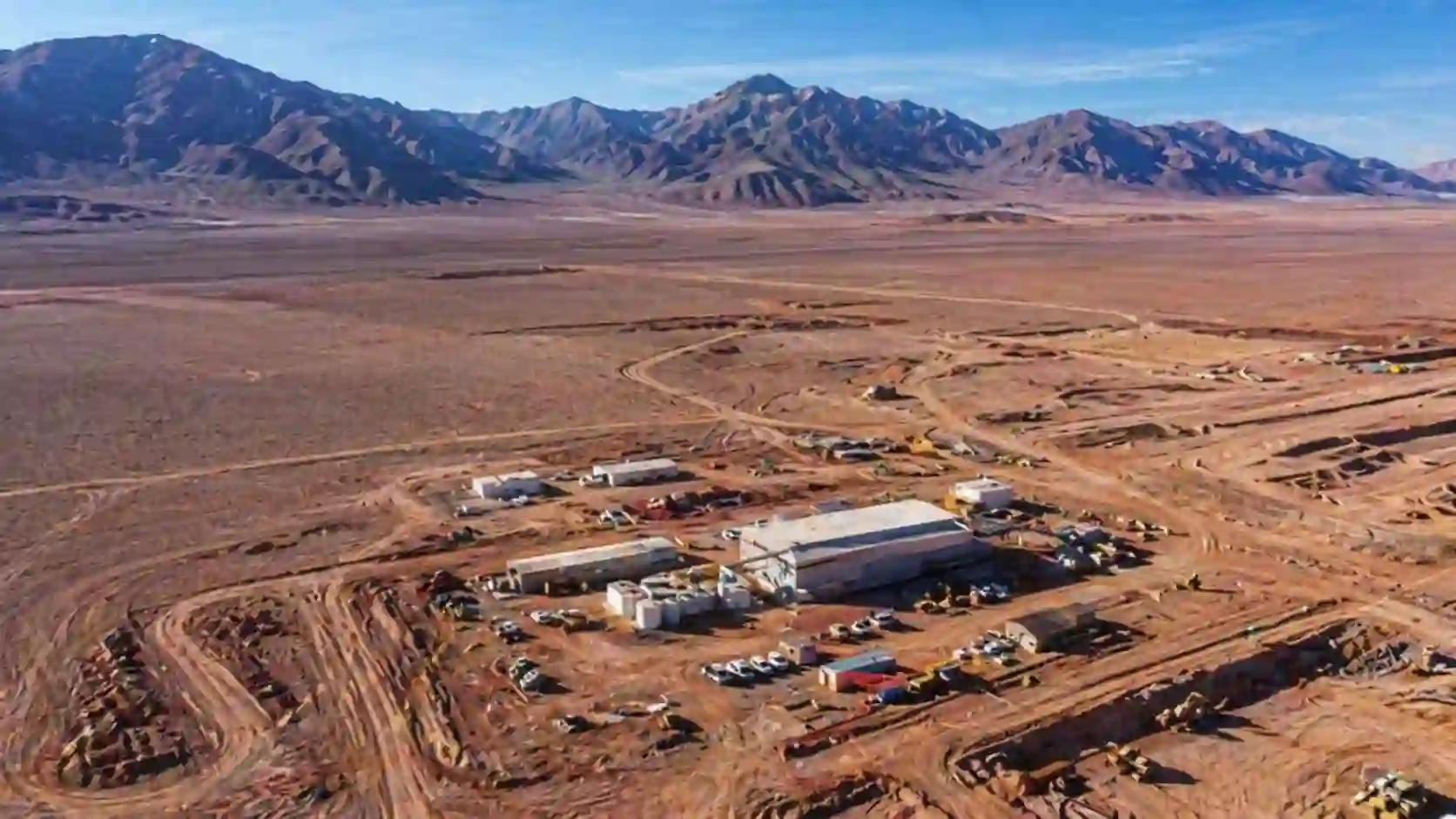
Lithium Is Not One Market: Chile, Argentina and Bolivia
A comparison of resources, production, project authority, operating structures and supplier access across three different lithium systems.
Read analysis →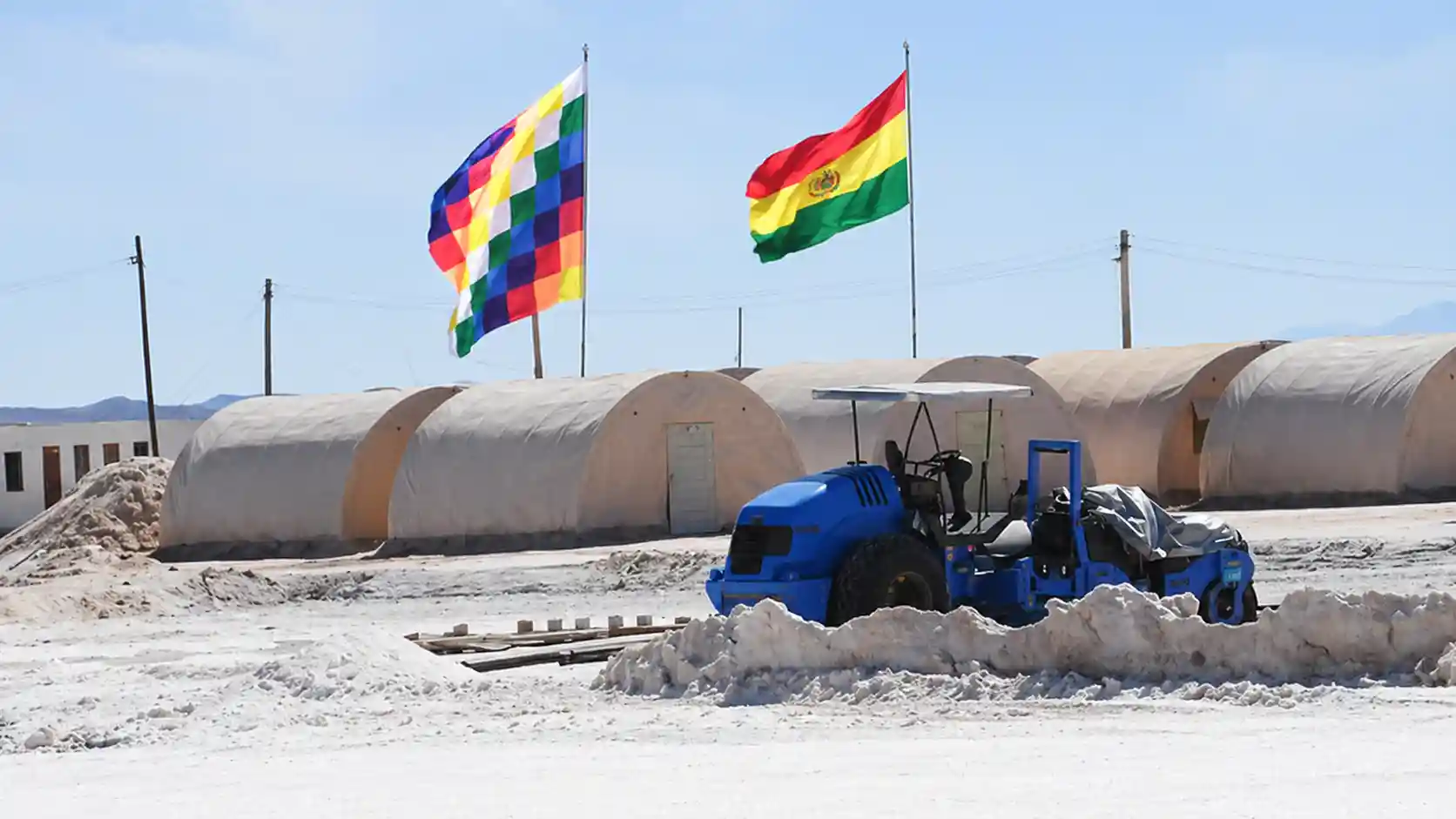
June 2026 Archive 3 Argentina analyses
Vaca Muerta’s Pacific Question: Can Chile Become Argentina’s Oil Exit to Asia?
The revived Trans-Andean oil route connects Neuquén with ENAP’s Biobío system and the San Vicente terminal, while Argentina’s larger oil and LNG plans remain primarily Atlantic-facing.
Read analysis →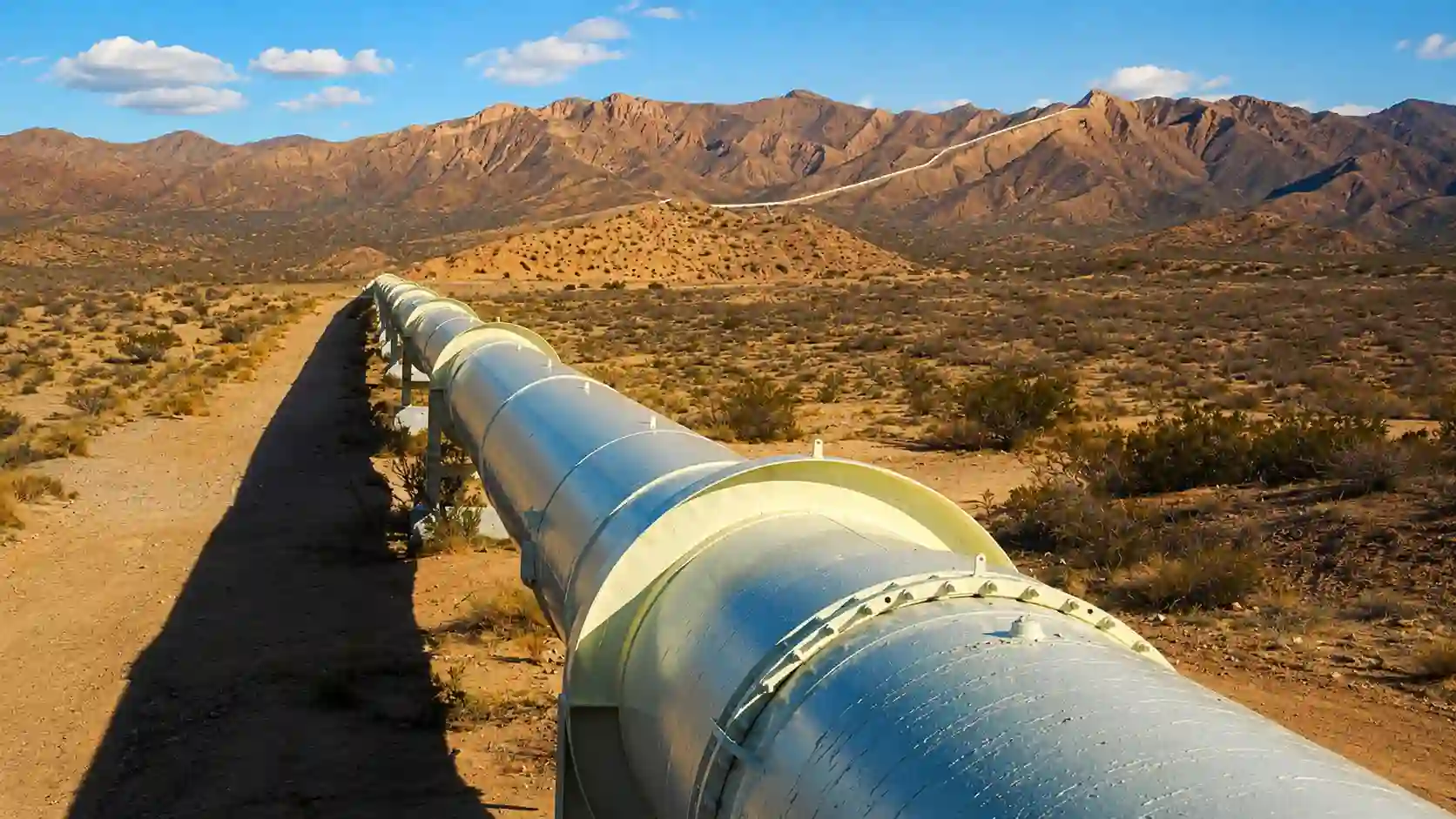
Penguin Guano, Climate Data and Argentina’s Role in Antarctica
The stronger market signal is infrastructure: research stations, air access, sensors, logistics and institutions that turn remote Antarctic processes into usable scientific data.
Read analysis →
PIAP Reactivation: Argentina’s Heavy-Water Infrastructure Test
PIAP remains inactive while CNEA preserves the facility and prepares an open revamping process. A private SAESA-SPARK initiative has been submitted, but no concession or restart date has been confirmed.
Read analysis →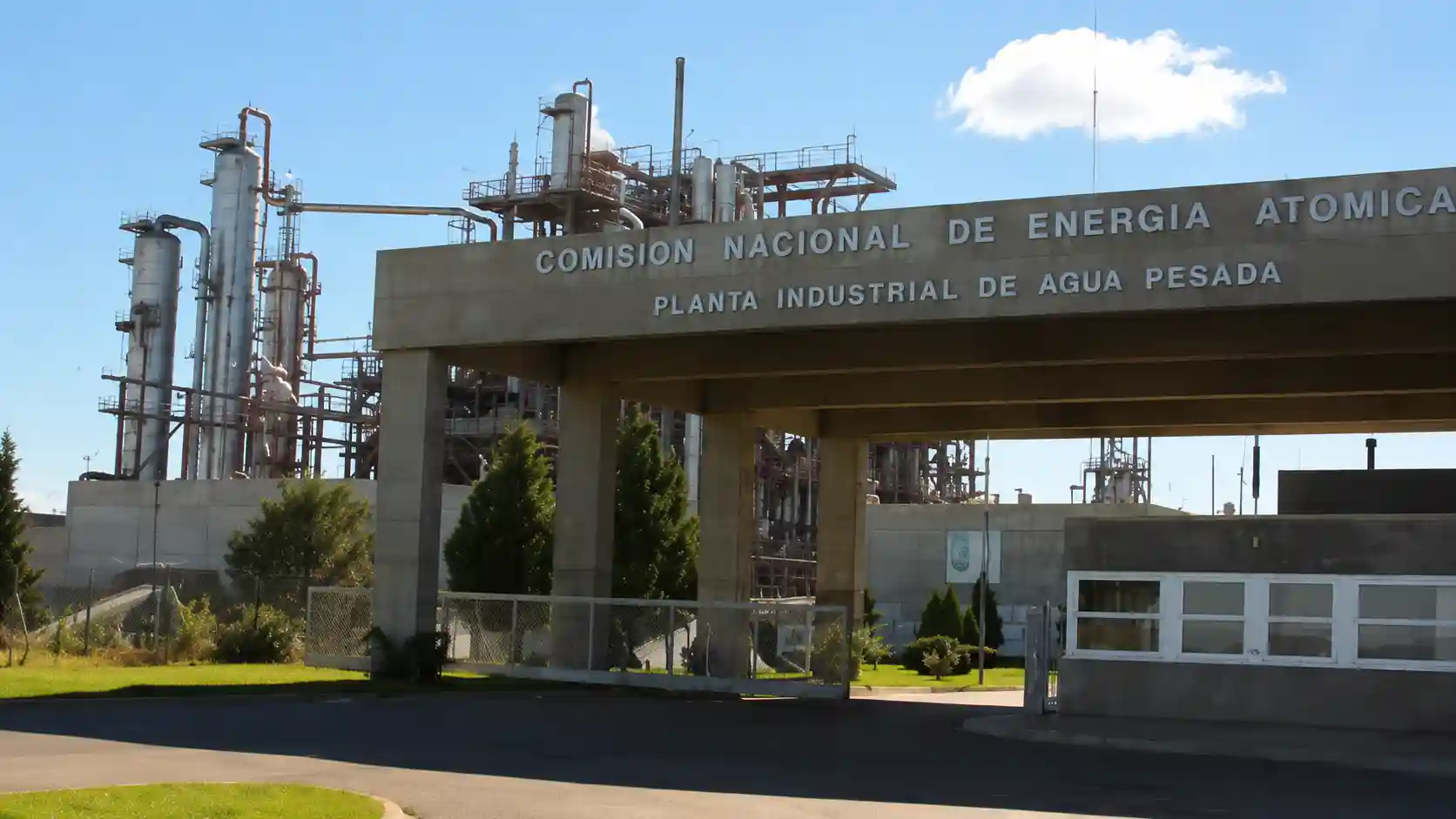
May 2026 Archive 3 Argentina analyses
Vaca Muerta to Urea: Fértil Pampa and South America’s Fertilizer Security
Pampa Energía has approved a USD 2.7 billion final investment decision for a 2.1-million-tonne-per-year urea complex. RIGI, REPIE, financing and execution remain decisive.
Read analysis →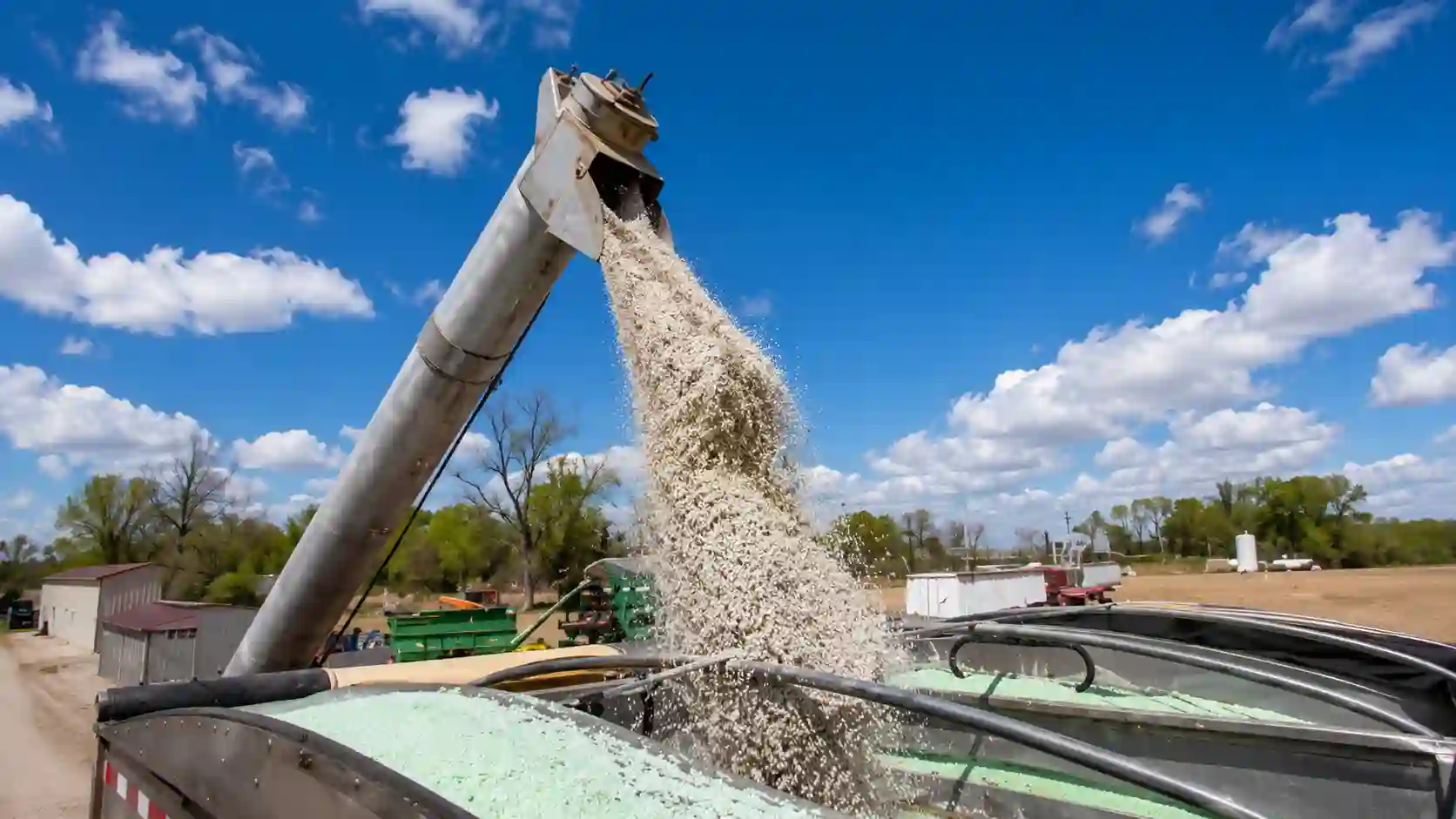
Argentina’s Stabilization Gap: Why Macro Repair Still Feels Fragile
Inflation, country risk and macro credibility improved faster than household purchasing power, labour-market stability and social confidence.
Read analysis →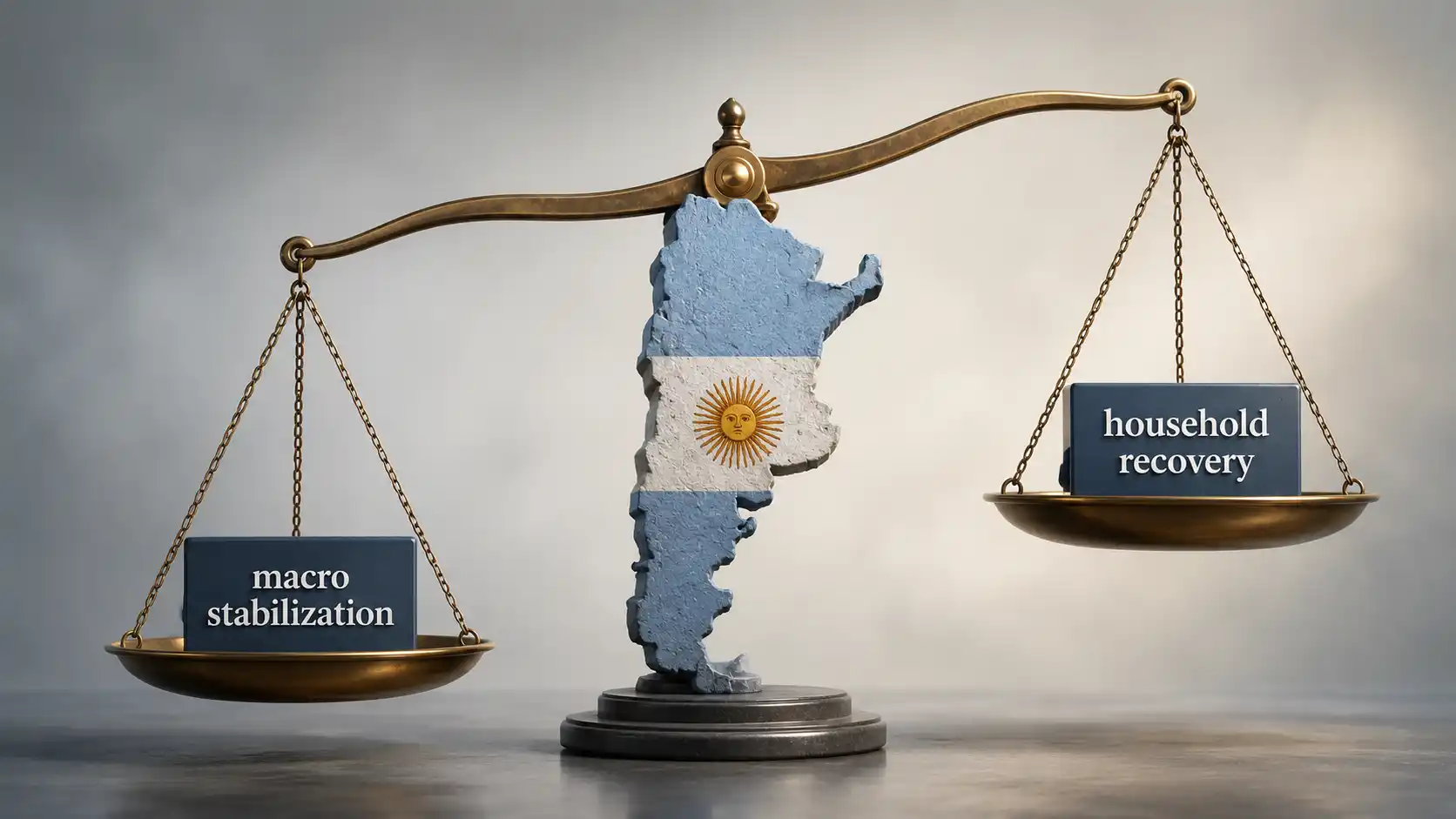
Argentina’s Retail Paradox: Why Global Brands Are Entering a Weak Consumer Market
Global brands are positioning for market opening, import liberalisation and future recovery even while current household consumption remains uneven.
Read analysis →
April 2026 Archive 4 Argentina analyses
Añelo: Where Vaca Muerta Becomes Operational Reality
Añelo is the operating centre where shale production becomes roads, labour, housing, service demand, supplier markets and infrastructure pressure.
Read analysis →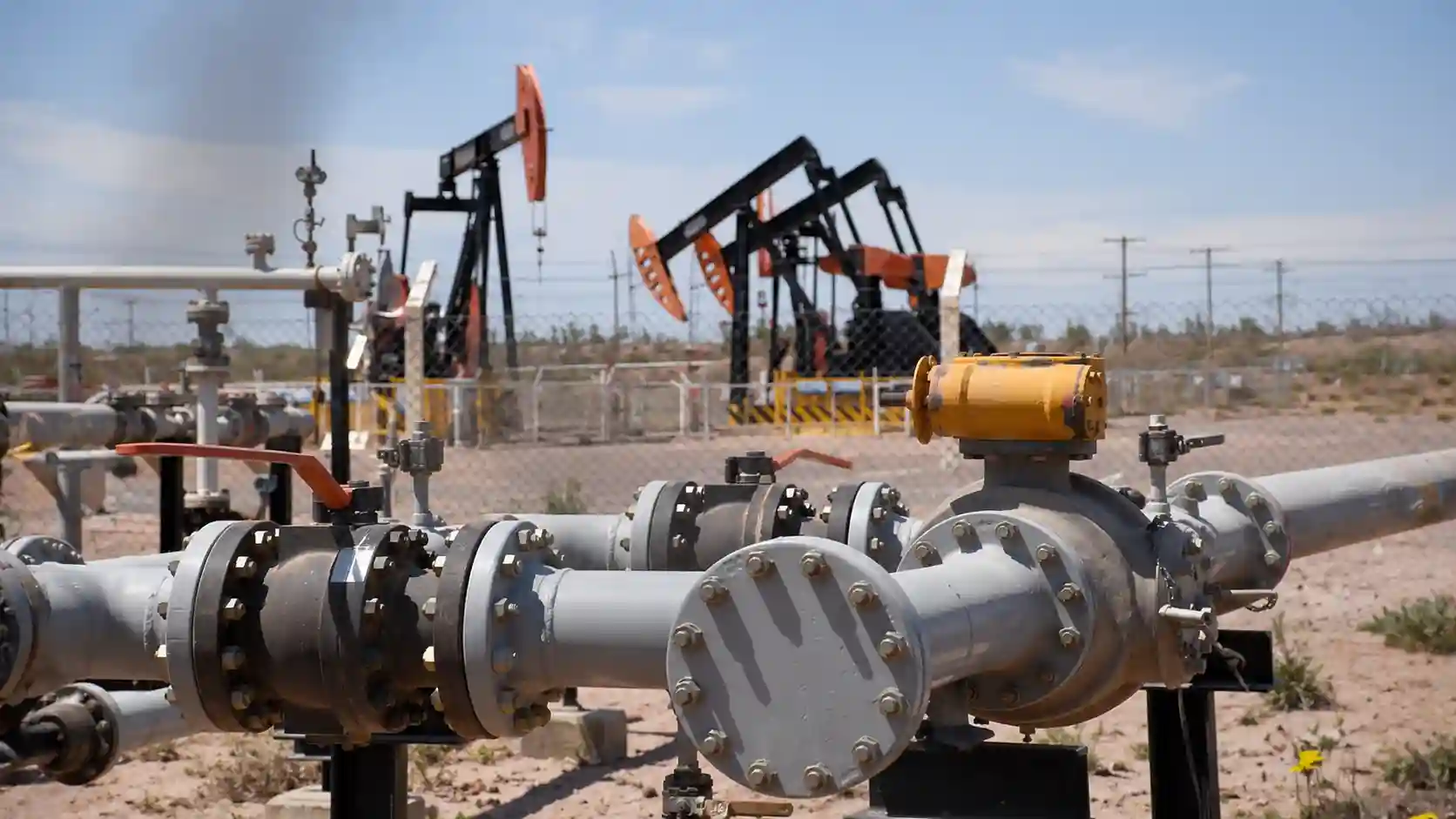
Benetton in Patagonia: Land, Wool and the Long History Behind a Supply Chain
The Compañía de Tierras Sud Argentino connects land ownership, wool, livestock and corporate supply chains with unresolved territorial conflict.
Read analysis →
Mirgor: What a Manufacturer at the Edge of the World Reveals About Argentine Industry
Mirgor is a direct lens on Argentine industrial policy, electronics assembly, automotive supply and the logistics of producing at the country’s southern edge.
Read analysis →
Vino Toro: What Argentina’s Bulk Wine Exports Reveal About Its Agricultural Economy
The bulk-wine trade reveals cooperative production, volume economics and the difference between Argentina’s domestic scale and its premium export narrative.
Read analysis →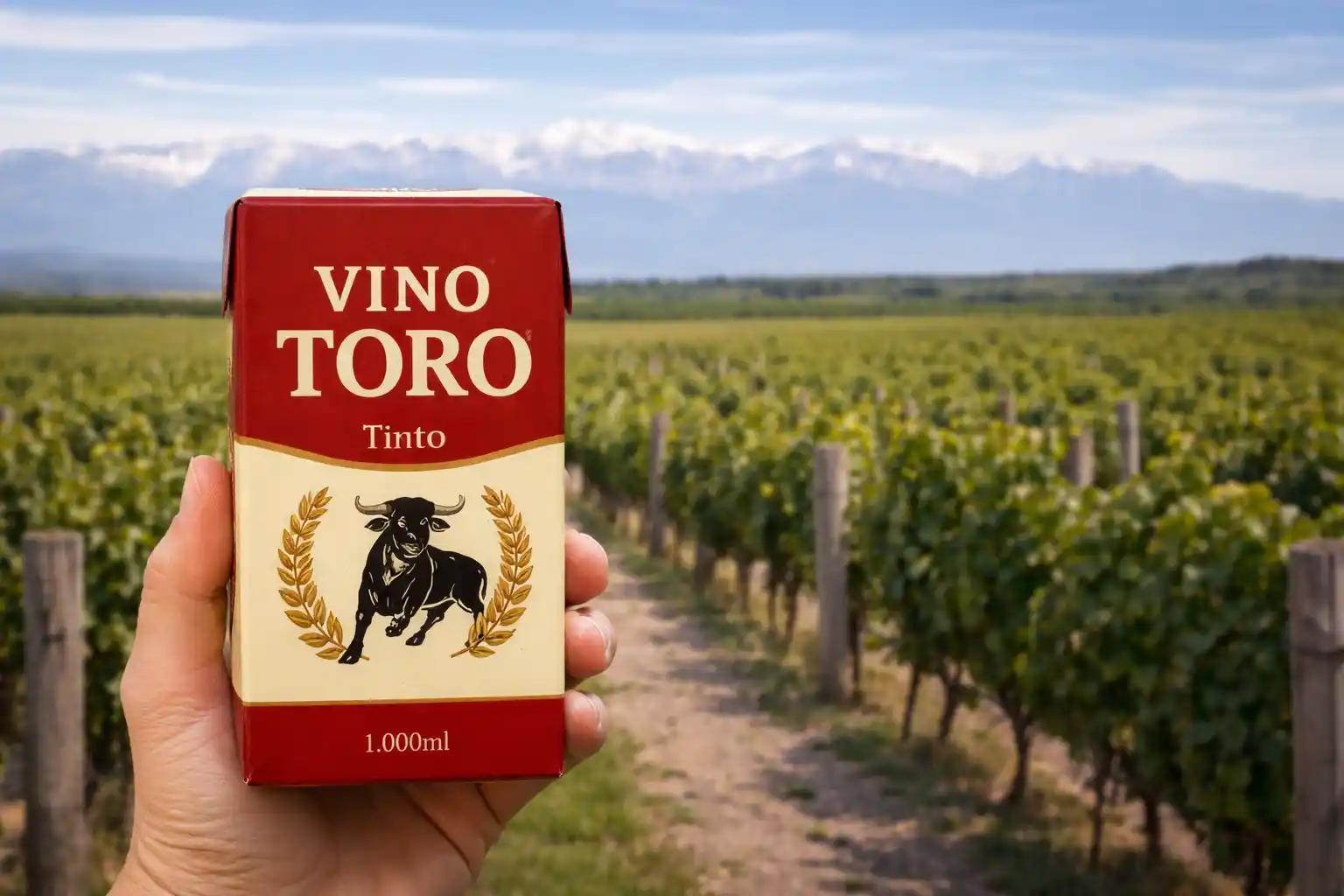
Country, company and industry context
The Insights Hub connects current analysis to the stable country and sector structure.