
Company Insight · Brazil · Hering · Azzas 2154 · Retail Turnaround · Updated August 2026
Hering in 2026: From Blumenau Brand to an Azzas 2154 Turnaround Test
Hering has moved beyond the ownership story. In 2Q26, Azzas 2154 reported lower sales across the Basic unit, but materially leaner inventory and a sharp recovery in cash generation. The company question is now whether better operating discipline can restore profitable growth.
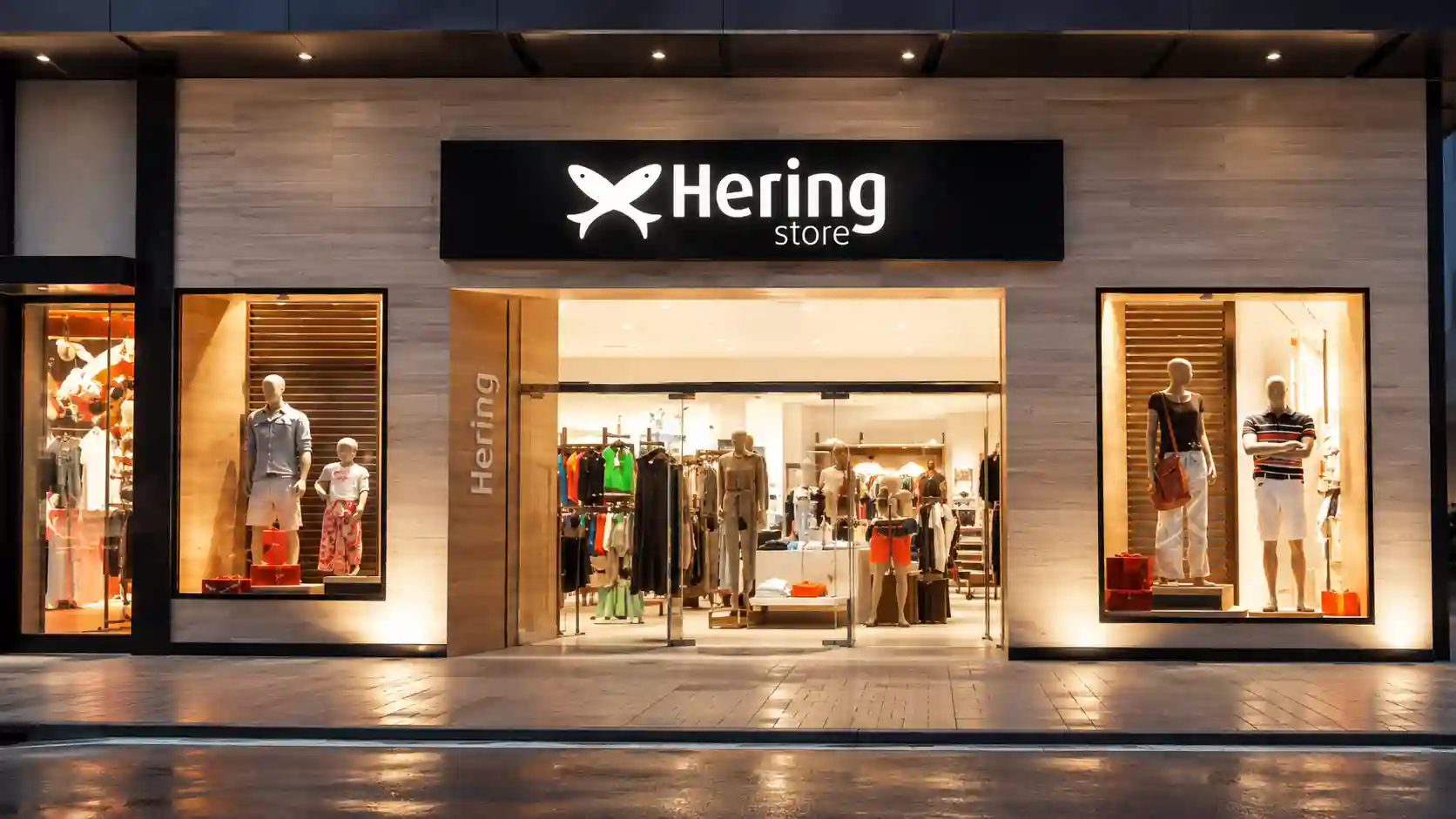
Hering has moved from an acquisition story to a turnaround story.
Azzas 2154 reported that the Basic unit’s continuing-brand gross revenue fell 12.1% year on year to R$559.5 million in 2Q26, and first-half revenue was down 15.2%. At the same time, Hering reduced company-owned inventory to 149 days from 214 days a year earlier and generated R$97 million of post-CAPEX cash in the quarter versus a R$76 million cash burn in 2Q25.
The current analytical question is therefore not who owns Hering. It is whether tighter purchasing, better inventory discipline, channel restructuring and improved cash generation can rebuild profitable growth inside Azzas 2154.
Market Analysis Framework
Ownership chain: the context is settled
Hering began in Blumenau in 1880 and developed from textile production into a nationally recognized Brazilian apparel brand. The ownership sequence is now clear: Grupo Soma acquired Cia. Hering in 2021, and the 2024 combination between Arezzo&Co and Grupo Soma created Azzas 2154.
Hering is therefore no longer an independent listed-company story. Current financial interpretation must use Azzas 2154 as the reporting anchor. Within that platform, Hering sits in the Basic business unit together with Hering Kids, Hering Sports, Hering Shoes and Hering Intimates.
For the longer regional context, see Econosur’s Blumenau and Santa Catarina industrial analysis and Brazil company insights.
2Q26: sales are lower, but the economics are being rebuilt
Azzas 2154 reported R$559.5 million of 2Q26 gross revenue from continuing Basic brands, down 12.1% from 2Q25. In the first half of 2026, the corresponding revenue was R$1.062 billion, down 15.2% year on year.
The company explicitly framed the prior comparison base as operationally unattractive: stronger sales in 2Q25 came with weak ROIC, high inventory and aggressive promotional activity. The 2026 program is therefore intentionally focused on revenue quality rather than restoring volume at any cost.
The critical inflection is cash and inventory.
Company-owned inventory fell from 214 days in 2Q25 to 149 days in 2Q26. Post-CAPEX cash generation reached R$97 million in 2Q26 versus R$76 million of cash consumption a year earlier. For 1H26, Hering generated R$166 million after CAPEX compared with R$163 million of cash consumption in 1H25.
This does not mean the turnaround is complete. Azzas itself says the remaining challenge is restoring growth and profitability. But the business is now being measured against a different operating objective: better capital discipline first, then healthier growth.
Channel reset: own stores, e-commerce, franchises and multibrand
The channel data shows how broad the reset is. In 2Q26, sell-out revenue fell 14.7%, own stores declined 14.0%, e-commerce fell 15.6%, franchises declined 8.9% and multibrand revenue fell 11.0% year on year.
Azzas reported that Hering transferred seven owned stores to franchisees over the previous twelve months. That is commercially relevant because the turnaround is not only about merchandising. It also changes channel economics, store ownership, inventory responsibility and the operating interfaces between the brand and franchise partners.
Azzas currently lists Hering with 68 own stores and 65 franchises. The current structure creates distinct supplier questions across corporate retail, franchise operations, e-commerce, multibrand distribution, logistics and technology.
Lower revenue is being tolerated where it improves the quality of the business.
The commercial test for vendors is therefore sharper: can a product or service improve working capital, store productivity, conversion, inventory turns, margin or franchise economics?
Blumenau still matters, but execution now matters more
Hering remains one of Blumenau’s most visible industrial brands and an important case of how regional textile capability became national consumer recognition. That historical continuity still matters for brand memory, supplier relationships and corporate identity.
In 2026, however, heritage is no longer the main analytical variable. Current performance depends on how Azzas manages the Basic unit inside a large multi-brand fashion platform. The relevant connection to Blumenau is therefore operational: long-established industrial and supplier relationships now sit inside a group-level transformation program.
This links Hering directly to Econosur’s Manufacturing & Industrial Cases and Platform Economy & Retail research.
What international suppliers and market teams should watch
Three Business Questions
Where Published Information Stops
Azzas 2154 publishes unusually useful information on business units, channel revenue, inventory, cash generation, store structure and management priorities. That is enough to identify where operating pressure is concentrated.
Published information generally stops before the questions that matter to a supplier: vendor lists, procurement volumes, category owners, technical requirements, tender cycles, incumbent contracts, supplier-switching criteria, franchise purchasing autonomy and planned investments in stores, logistics or technology.
The research gap: public filings can show that Hering is improving inventory and cash. They do not show which supplier, system or procurement decision will drive the next operational step.
Focused Econosur research modules
Need a defined Hering or Azzas 2154 business question answered?
Econosur researches ownership structures, buyers, suppliers, procurement routes, channel economics and company-specific commercial relevance across South America.
Use a focused company report for a defined company question or custom analysis when the key issue is who buys, who supplies, how procurement works and whether an apparent opportunity is commercially reachable.
Explore custom market analysisSources and data points
- Azzas 2154 2Q26 Earnings Release, English mirror — Basic-unit revenue, channel performance, inventory days, cash generation and management commentary.
- Azzas 2154 Investor Relations: Our Brands — current Hering brand family and store/franchise network.
- Azzas 2154 Investor Relations: History — 2021 Hering acquisition context and 2024 Azzas formation.
- CADE — competition approval for the Arezzo&Co / Grupo Soma combination.
- Reuters — 2024 Arezzo&Co / Grupo Soma combination context.
- Hering — brand history and corporate background.
FAQ
What is Hering?
Hering is a Brazilian clothing brand founded in Blumenau, Santa Catarina, in 1880. It is now part of Azzas 2154 and sits inside the group’s Basic business unit.
Is Hering still an independent listed company?
No. Cia. Hering was acquired by Grupo Soma in 2021. After the 2024 combination between Arezzo&Co and Grupo Soma, Hering became part of Azzas 2154.
What changed at Hering in 2Q26?
Azzas reported a 12.1% year-on-year decline in gross revenue from continuing Basic brands, while Hering improved inventory discipline and generated R$97 million of post-CAPEX cash compared with a R$76 million cash burn in 2Q25.
Why does the 149-day inventory figure matter?
Azzas reported that Hering’s company-owned inventory fell to 149 days in 2Q26 from 214 days a year earlier. The reduction indicates tighter purchasing, planning and working-capital discipline.
What is Azzas 2154?
Azzas 2154 is the Brazilian fashion platform created by the combination of Arezzo&Co and Grupo Soma in 2024. Its Basic business unit includes Hering and related Hering brands.
What is the central market reading of Hering in 2026?
Hering has moved from an acquisition story to a turnaround story. The current test is whether Azzas can rebuild the economics of the brand through better inventory, channel productivity, cash generation and revenue quality while restoring growth.