
Paraguay Company Insights
Company-level analysis of the businesses and state actors behind Paraguay’s industrial expansion, energy market, export industries, border commerce and logistics systems.
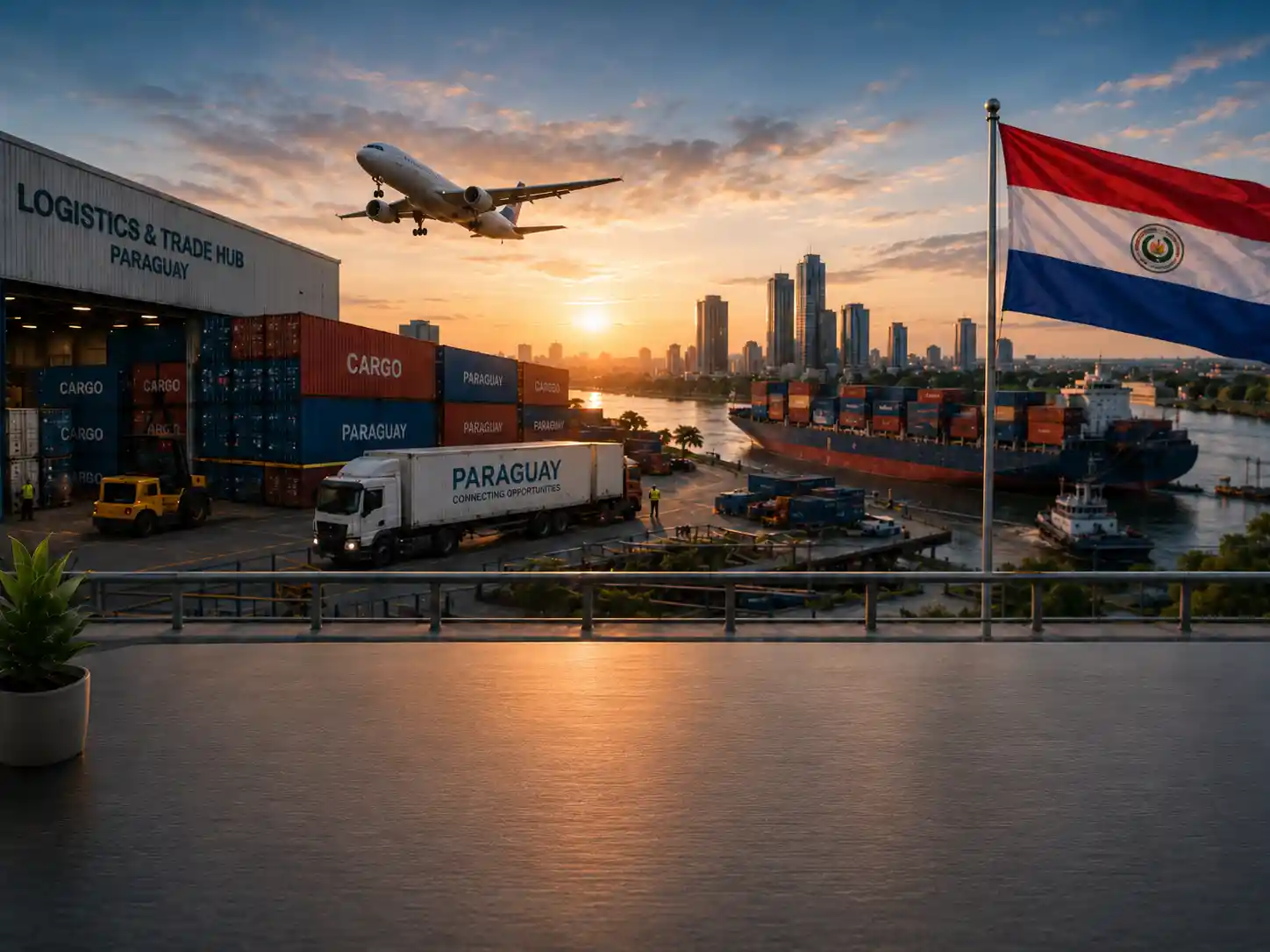
Paraguay’s most useful company cases explain how the country’s market systems work.
Yazaki Paraguay shows how maquila production and automotive components connect to Brazilian supply chains. Paracel shows how plantations, supplier onboarding, industrial infrastructure and a broader forestry cluster can precede large-scale pulp production. Frigorífico Concepción connects livestock, industrial processing, certification and export logistics.
Petropar represents the state-market interface around imported fuels, storage and procurement. Nissei shows how Ciudad del Este’s border-commerce model can develop into formal retail, authorized distribution and e-commerce.
Together, the five cases provide a company-level map of Paraguay’s industrial transition, export economy, energy dependency and cross-border commercial systems. Econosur’s separate Master Bus analysis adds a current example of Paraguay trying to move from imported electric buses toward a deeper local manufacturing platform.
Paraguayan companies that explain the market
Each company represents a different part of Paraguay’s operating environment: manufacturing, resource processing, agribusiness, energy infrastructure or border commerce.
Yazaki Paraguay
Yazaki Paraguay represents the Brazil-linked manufacturing model developing in Alto Paraná. The company case connects automotive wiring, labor-intensive production, quality standards, delivery schedules and maquila administration.
Read Yazaki Paraguay insightParacel
Paracel is an emerging industrial case built around plantations, supplier onboarding, roads, energy systems, port infrastructure, Sudati and planned pulp production in northern Paraguay.
Read Paracel insightFrigorífico Concepción
Frigorífico Concepción shows how livestock becomes an industrial export product through processing, sanitary certification, cold-chain infrastructure and access to external markets.
Read Frigorífico Concepción insightPetropar
Petropar shows Paraguay’s liquid-fuel dependency: a hydroelectricity-rich country that remains exposed to imported hydrocarbons, storage, public procurement and pump-price politics.
Read Petropar insightNissei
Nissei shows how Ciudad del Este’s border-commerce economy can develop into formal technology retail, authorized-brand distribution, e-commerce and corporate supply.
Read Nissei insightWhat these companies reveal about Paraguay
Paraguay’s company landscape shows how a smaller domestic market builds regional relevance through industrial location, energy, resources, logistics and border demand.
Yazaki shows how selected manufacturing stages can operate in Paraguay while serving larger supply chains linked to Brazil. The newer Master Bus case shows the next industrial question: whether Paraguay can move from imported equipment and component production toward deeper local manufacturing systems.
Paracel illustrates how plantations, supplier onboarding, roads, energy, logistics, port infrastructure and additional investors such as Sudati can create an industrial platform before planned pulp output becomes operational.
Frigorífico Concepción demonstrates how processing, traceability, sanitary requirements and cold-chain reliability shape export competitiveness.
Petropar connects fuel imports, storage, public procurement, pricing and energy policy to the wider cost structure of the economy.
Nissei shows how Ciudad del Este’s cross-border demand can support formal retail, brand relationships, digital sales and national expansion.
Alto Paraná supports Brazil-facing production and commerce. Concepción connects processing industries to resources, infrastructure and export logistics.
Five companies, five operating systems
The company set covers the central systems that shape Paraguay’s market: manufacturing, resource processing, agribusiness, energy and cross-border commerce.
Maquila, wiring, labor, quality and Brazil-linked production.
Forestry, supplier onboarding, industrial infrastructure, Sudati and planned pulp output.
Processing, certification, cold chain and export access.
Imported fuels, storage, procurement and state pricing.
Border retail, electronics, distribution and e-commerce.
From individual companies to Paraguay market structure
A company profile becomes useful when ownership, operations, infrastructure, procurement, suppliers, logistics and market exposure are analyzed together.
Econosur prepares company reports, custom market analysis and country-level research for organizations evaluating Paraguayan companies, industrial locations, supplier opportunities, logistics exposure and cross-border business models.
Explore company reports
Marcus A. Volz is the founder and editorial lead of Econosur. Based in Argentina since 2006, he analyzes South American companies, market structures, infrastructure, industrial systems and cross-border business conditions.