
Manufacturing and
Industrial Cases in
South America
South American manufacturing is not one regional system. Brazil provides scale, supplier depth and specialized processing clusters; Argentina combines established industrial capacity with execution volatility; and Paraguay is developing a different model around maquila, components, resource processing and new industrial infrastructure.
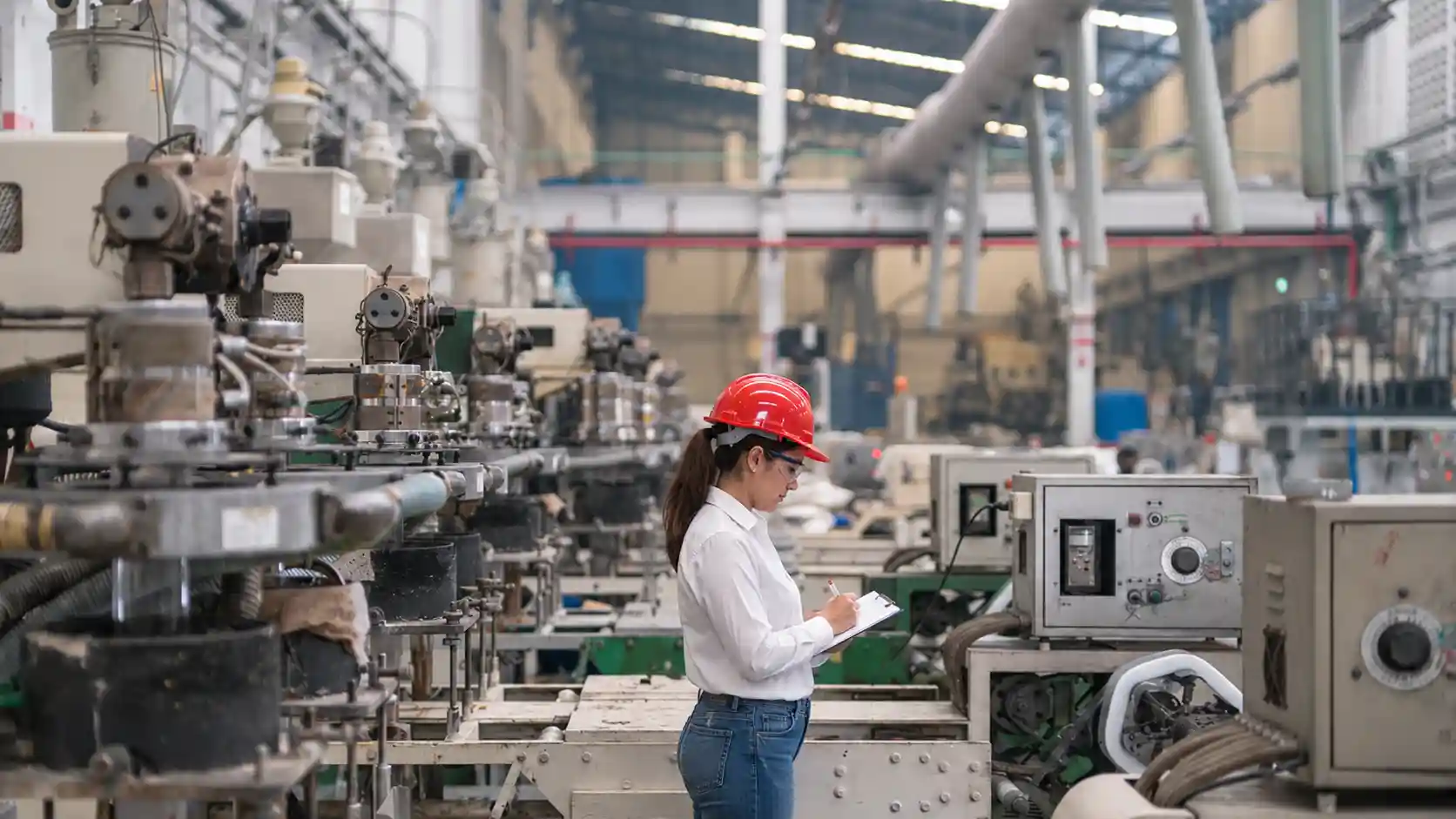
South American manufacturing is a collection of different industrial systems rather than one regional production market.
Brazil offers the largest factories, deepest supplier base and strongest domestic demand. Argentina retains important automotive, electronics, machinery and food-processing capabilities but operates under greater macroeconomic and regulatory volatility.
Paraguay is developing a third model through several industrial geographies. Brazil-linked maquila manufacturing in Alto Paraná supports border-facing production, while Yazaki Paraguay shows how automotive components can be manufactured in the Central Department around Greater Asunción. The newer Master Bus case tests whether Paraguay can move from imported electric buses toward deeper local assembly and manufacturing. In the north, Frigorífico Concepción and Paracel show how domestic resources, processing, supplier development, infrastructure and river logistics can support different forms of industrial expansion.
Manufacturing analysis therefore has to examine factories together with suppliers, machinery, energy, logistics, standards, financing, procurement authority and final demand.
Manufacturing is gaining strategic relevance as companies reassess supply chains, regional sourcing, import dependency, industrial incentives and access to Mercosur markets.
The regional opportunity is not limited to new factories. Demand also arises around machinery, spare parts, automation, maintenance, packaging, industrial software, certification, logistics and technical services.
Paraguay adds a new layer to this map. Its role is growing through border-facing production in Alto Paraná, metropolitan manufacturing around Greater Asunción and resource-based processing connected to the Paraguay River.
The regional picture is mixed rather than uniformly expansionary. Argentina’s official manufacturing production index was 5.0% lower year on year in July 2026, while installed-capacity utilisation reached 58.2% in July, slightly below the 58.4% recorded a year earlier. In Brazil, industrial production increased 0.2% from June to July on a seasonally adjusted basis, while manufacturing output rose 0.5%. The industrial story still includes both large national supply chains and specialized regional clusters such as Paraná’s wood-processing base.
Official Paraguayan data sharpen that picture. On 8 September 2026, the Ministry of Industry and Commerce said industry represented 19.6% of GDP, supported around 350,000 jobs and included roughly 32,000 active industrial firms.
Maquila is one of the clearest export-manufacturing signals. Between January and August 2026, maquila exports reached USD 1.010 billion, up 26% year on year, with around 40,000 jobs generated by the sector. Mercosur absorbed 77% of maquila exports, with Brazil and Argentina as the main destinations. The regime is therefore no longer a niche incentive mechanism; it is becoming a measurable industrial-export system tied closely to regional demand.
Manufacturing Is More Than a Factory Story
Factories are the visible layer of an industrial market. Behind each factory stands a wider system of machinery, components, tooling, maintenance, industrial services, logistics, energy, standards, financing and procurement.
This surrounding system often determines whether production can scale. A company may have a factory and customer demand but still face bottlenecks in imported inputs, technical labor, spare parts, customs procedures, electricity, transport or quality control.
Industrial cases reveal these dependencies more clearly than general production statistics. They show whether a project has reached stable operations, which suppliers have access, who controls purchasing and where execution risk sits.
Manufacturing is where market potential meets operational reality: factories, suppliers, machinery, energy, labor, logistics and demand must work together.
Factory layer: production lines, equipment, components, workers, quality systems and output.
Infrastructure layer: energy, roads, ports, water, industrial land, warehouses, customs and maintenance.
Market layer: buyers, standards, financing, regulation, regional access and procurement authority.
Country Roles Differ Across the Regional Industrial Map
Brazil
Regional industrial scaleBrazil combines automotive production, machinery, chemicals, food processing, aerospace, consumer goods and a deeper supplier ecosystem. Its scale supports local demand but also creates regulatory, tax and procurement complexity.
Argentina
Established capacity under volatilityArgentina retains automotive, electronics, machinery, chemicals, pharmaceuticals and food-processing capacity. Import conditions, currency access and regulatory change can directly affect industrial execution.
Paraguay
Production location and industrial corridorParaguay uses maquila, hydropower, operating costs and proximity to Brazil to attract selected production stages. The current model now also includes attempts to deepen localization through cases such as Master Bus, while food processing, forestry and river infrastructure create additional industrial systems.
Uruguay
Selective industry and institutional stabilityUruguay has a smaller industrial base but offers predictability, free-zone structures, logistics, forestry processing and selected export-oriented manufacturing opportunities.
Chile
Mining-linked industrial demandChile is less important as a broad manufacturing base but highly relevant for mining suppliers, machinery, industrial services, food processing, energy systems and Pacific-facing logistics.
Regional layer
Cross-border industrial systemsProduction networks often cross national borders. Components, machinery, buyers, financing, headquarters and procurement authority may sit in different countries.
Brazil: Paraná shows how processing clusters create supplier demand
Brazil’s manufacturing relevance is not limited to automotive, chemicals or heavy industry. Paraná’s wood-processing sector shows how a resource base can support a dense industrial market for machinery, automation, maintenance, quality control and logistics.
APRE Florestas reported in July 2026 that Paraná has about 1.17 million hectares of planted forests, including 710,836.77 hectares of pinus, and produces more than half of Brazil’s pinus wood. ABIMCI’s 2026 sector study reports that Paraná accounted for 67% of Brazil’s pinus plywood export volume in 2025.
This matters for manufacturing because the value chain extends well beyond forestry. Sawmills, plywood plants, door and moulding producers, engineered-wood facilities and other processors require production equipment, handling systems, scanning and grading, drying, maintenance, power transmission, automation and digital production systems.
Paraná is a useful example of supplier opportunity created by an existing processing cluster rather than by a single greenfield factory.
The commercial question is which processors are moving from export pressure or productivity requirements into a real machinery, automation or maintenance investment. Public sector data establish the cluster; plant-level procurement still has to be verified.
See the detailed Econosur analysis: Brazil’s Wood Industry Is Rebalancing: Where the Supplier Opportunity Sits in Paraná. For the broader forest-based industrial system, see Forestry, Pulp, Wood Processing & Paper in South America.
Paraguay Is Building Three Different Industrial Geographies
Paraguay should not be reduced to one general maquila story. Its industrial expansion is taking place through three different geographic systems.
Paraguay’s current maquila framework is based on Law 7547/2025 and Decree 5714/2026, which replaced and regulated the earlier legal regime. The updated framework modernizes procedures, controls and the treatment of existing maquila programmes.
By August 2026, maquila exports had reached USD 1.010 billion, 26% above the same period of 2025. MIC reported around 40,000 jobs generated by the sector, while 77% of maquila exports went to Mercosur markets, led by Brazil and Argentina.
The broader industrial export picture is also expanding. Manufactures of industrial origin reached approximately USD 1.314 billion between January and July 2026, up 35% year on year. Electrical conductors, wires and cables were among the important manufactured export categories, connecting the national data directly to Paraguay’s automotive-component cluster.
Alto Paraná connects Paraguayan production directly to Brazil. Ciudad del Este, Hernandarias and Minga Guazú form a border-manufacturing corridor where automotive components, wires, cables, textiles and other maquila products can serve regional supply chains.
Mariano Roque Alonso and the wider Greater Asunción area combine metropolitan labor, airport access, industrial property, national road connections and logistics services. Yazaki shows how automotive wire-harness production can operate from this central location rather than from the eastern border.
Concepción combines livestock, meat processing, forestry, plantations, port infrastructure and the Paraguay River. Its industrial logic depends on domestic resources and access to heavy export logistics.
The Paraguay Industrial Side Door analysis connects these three geographies. Alto Paraná represents border-facing manufacturing, the Central Department represents metropolitan production and logistics, and Concepción represents resource processing and infrastructure-led industrial development.
The Auto-Parts Maquila Corridor provides the sector-level view across Paraguay’s automotive-component system. The related Yazaki Paraguay company insight examines how wire-harness manufacturing in Mariano Roque Alonso connects workforce training, maquila production and regional vehicle demand.
The Master Bus analysis adds a different industrial question. Yazaki shows Paraguay performing a defined component-production stage inside an established international automotive system. Master Bus tests whether a larger share of an end-product manufacturing system, including assembly, body and chassis work, services and supplier development, can be localized inside Paraguay.
In Concepción, Frigorífico Concepción represents agricultural processing, certification and cold-chain exports. Paracel represents the attempt to combine plantations, supplier onboarding, roads, energy, port infrastructure, Sudati and planned pulp production into a broader forestry-industrial platform.
The most useful manufacturing comparison in South America is not factory count. It is the depth of the operating system around each plant or cluster.
Brazil remains the regional benchmark for scale and supplier density, but even there the commercial route differs sharply by sector. Paraná’s wood processors create one type of external machinery and service market; a vertically integrated company such as Faber-Castell creates another; automotive and energy projects follow different qualification and procurement structures again.
Paraguay shows a different industrial trajectory. Yazaki represents a defined component-production stage inside an established international automotive system. Master Bus tests whether more of a complete manufacturing platform can be localized. Paracel assembles plantations, infrastructure and supplier access before the final large-scale export plant is operating.
Argentina adds another variable: substantial existing industrial capability operating under more volatile demand, import and macro conditions. The practical question for an international supplier is therefore where technical capability, procurement authority, service requirements and investment timing actually sit inside the specific operating system.
Which Manufacturing Questions Matter Most?
Supplier depth
Can local or regional suppliers support production?Manufacturing becomes more resilient when components, tooling, maintenance, packaging, engineering and industrial services are available close to the plant.
Machinery
Can equipment and spare parts move reliably?Customs, import rules, currency access and logistics can directly affect installation, maintenance and factory uptime.
Infrastructure
Can energy and logistics support continuous operations?Power, water, roads, ports, warehouses, industrial land and communications determine whether production can operate reliably.
Buyer standards
Can the plant meet quality and documentation requirements?Industrial buyers require certifications, traceability, delivery reliability, testing, documentation and technical support.
Procurement
Who controls the purchasing decision?The factory may be local while procurement authority remains with a regional office, global headquarters or engineering contractor.
Volatility
Can execution survive policy and demand changes?Industrial operations must handle input shortages, tax changes, financing gaps, currency pressure and demand cycles without losing reliability.
Subsectors Covered by This Industry Theme
Industrial suppliers
Components and technical servicesComponents, tools, maintenance, engineering, packaging, measurement systems and the supplier layer behind production.
Machinery
Equipment and spare partsProduction machinery, automation, industrial equipment, imported tools, installation and after-sales support.
Automotive
Vehicles and componentsVehicle assembly, wiring, components, suppliers, industrial policy and regional automotive production systems.
Food processing
Agroindustrial conversionMeat processing, dairy, wine, crushing, packaging, cold chains and the industrial layer behind agriculture.
Forestry and pulp
Resource-based industrial platformsPlantations, processing facilities, energy, private ports, heavy logistics and export-oriented industrial capacity.
Advanced manufacturing
Automation and industrial softwareRobotics, sensors, industrial software, digital twins, testing systems and productivity technologies.
Industrial parks
Land and operating infrastructureIndustrial zones, maquila locations, logistics parks, utilities, customs frameworks and shared services.
Mining suppliers
Equipment and project executionMachinery, pumps, pipelines, electrical systems, camps, maintenance and engineering linked to mining projects.
Energy-linked industry
Power as an industrial inputHydropower, gas, grids, transmission, industrial tariffs and the reliability needed for continuous production.
Business Opportunities Around Manufacturing
The market is relevant for industrial suppliers, machinery manufacturers, engineering firms, logistics providers, maintenance companies, automation vendors, component producers, packaging firms and industrial real-estate operators.
The strongest opportunity may sit outside the factory itself. New production capacity creates demand for supplier mapping, machinery sourcing, installation, maintenance, spare parts, certification, technical training, logistics, quality control and industrial sales channels.
International companies need to identify which market they are entering. A production market, equipment market, supplier market and maintenance market can have different buyers, timelines and procurement structures.
Brazil: scale, local production, established supplier systems and complex procurement.
Argentina: existing industrial capability combined with regulatory and macroeconomic volatility.
Paraguay: selective production relocation, components, processing, industrial infrastructure and cross-border procurement.
Frequently Asked Questions
Why does manufacturing matter in South America?
Manufacturing connects factories, suppliers, machinery, labor, logistics, imports, exports and national development strategies. It determines whether countries can convert demand, resources and infrastructure into durable industrial value.
Which countries have the most important manufacturing roles?
Brazil provides the largest industrial scale and deepest supplier base. Argentina remains important in automotive, electronics, machinery, food processing and chemicals. Paraguay is developing a distinct role through maquila, automotive components, resource processing and infrastructure-led industrial projects.
Why is Paraná relevant to industrial suppliers?
Paraná combines a large pinus resource base with sawmilling, plywood and other wood-processing industries. That creates structural demand for machinery, automation, handling, maintenance and quality systems. A specific buyer opportunity still requires plant-level verification.
How does Paraguay fit into South American manufacturing?
Paraguay combines border-facing maquila production in Alto Paraná, automotive-component manufacturing in the Central Department around Greater Asunción, and resource processing, river logistics and industrial infrastructure in Concepción. Its importance comes from location, hydropower, incentives, workforce access and connection to larger regional markets.
Is manufacturing only about large factories?
No. Manufacturing also includes components, tooling, machinery, maintenance, automation, packaging, industrial parks, logistics, certification, engineering and technical services.
Why are industrial suppliers important?
Industrial suppliers determine whether factories can install equipment, maintain production, obtain spare parts, comply with standards and deliver reliably. Supplier depth often separates an industrial ecosystem from an isolated plant.
What limits industrial expansion in South America?
Common constraints include energy, logistics, customs, financing, imported inputs, currency access, technical skills, supplier quality, regulation and unstable demand.
Can Econosur help identify industrial buyers, suppliers or business partners in South America?
Yes. For a defined commercial requirement, Econosur can research and screen relevant factories, industrial buyers, suppliers, distributors, contractors and business partners and facilitate an introduction where there is a relevant fit. See B2B Connections in South America.
Need More Than a Manufacturing Overview?
Econosur prepares sector briefs, company reports and custom analysis covering industrial locations, suppliers, machinery, procurement structures, logistics, infrastructure and execution risk across South America.
Analysis can focus on Brazil, Argentina, Paraguay or cross-border production systems connecting several markets.
Explore custom market analysis
Marcus A. Volz is a market analyst and the founder of Econosur. Based in Argentina since 2006, he analyzes South American companies, industrial systems, infrastructure, supply chains and cross-border business conditions.
This industry briefing connects manufacturing scale with suppliers, machinery, processing clusters, logistics, procurement and operational execution across Brazil, Argentina, Paraguay, Uruguay and Chile.