
Industrial Asset Profile · Argentina · PIAP · Heavy Water · CNEA · Neuquén
PIAP Asset Profile: Ownership, Capacity and Reactivation Status
PIAP is a CNEA-owned heavy-water facility in Arroyito, Neuquén. The plant remains inactive while CNEA preserves the asset and prepares an open revamping process; SAESA and SPARK represent one submitted private proposal, not an awarded concession.
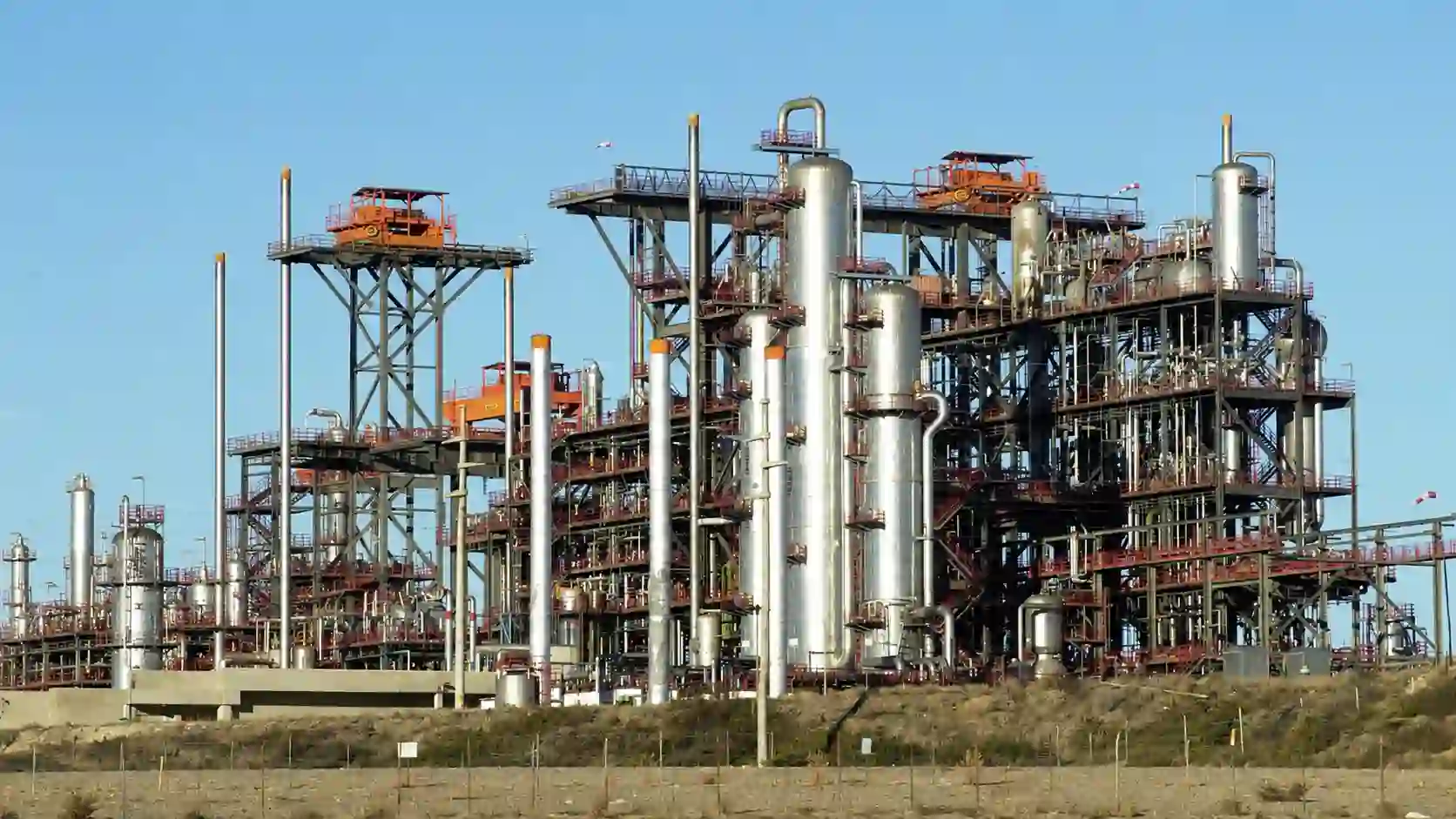
PIAP is a physical industrial asset, not a conventional company.
CNEA owns the heavy-water plant in Arroyito. ENSI is the operating company historically associated with the facility.
The plant has been inactive since 2017. CNEA is preserving the installation and preparing an open process for modernization and reactivation.
SAESA and SPARK submitted one private initiative in May 2026. No selection, concession award, final investment requirement or restart date has been publicly confirmed.
Asset-profile reading:
The page describes ownership, plant capacity, governance, confirmed status and missing milestones. The broader question of whether PIAP can become a viable export platform is addressed separately in Econosur’s PIAP reactivation analysis.
Current status
CNEA preservation
CNEA announced maintenance and preservation work with its own personnel in January 2026.
Open revamping process
CNEA is preparing an open and transparent process for modernization and reactivation.
SAESA-SPARK initiative
The private proposal was submitted on May 19, 2026. Submission does not equal selection or award.
Operating concession
No concession award or selected private operator has been publicly confirmed.
Candu and CONUAR cooperation
The memorandum creates a framework for supply and engineering negotiations, not a final purchase contract.
Heavy-water production
PIAP has remained out of operation since 2017.
Asset profile
| Asset element | Confirmed profile |
|---|---|
| Name | Planta Industrial de Agua Pesada — PIAP. |
| Location | Arroyito, Province of Neuquén, Argentina. |
| Owner | Comisión Nacional de Energía Atómica. |
| Operator environment | Empresa Neuquina de Servicios de Ingeniería S.A. — ENSI. |
| Historical product | Reactor-grade heavy water. |
| Historical capacity | Approximately 200 tonnes per year. |
| Inauguration | 1993 according to official CNEA communication. |
| Current operating status | Inactive since 2017. |
CNEA has described PIAP as a strategic state asset. No published valuation methodology supports treating earlier official multi-billion-dollar references as market value or replacement cost, so this profile does not use that figure as an asset valuation.
Ownership and ENSI
PIAP belongs to CNEA. ENSI is the company historically associated with its operation.
ENSI is owned 51 percent by the Province of Neuquén and 49 percent by CNEA. The structure gives PIAP both national and provincial institutional involvement.
CNEA
Owns the physical plant, leads current preservation work and prepares the official reactivation process.
ENSI
National-provincial company historically linked to plant operation and industrial management.
SAESA and SPARK
Submitted a reactivation proposal but have not been confirmed as concessionaires.
Candu Energy and CONUAR
Participate in a heavy-water supply and technological-cooperation memorandum with CNEA.
The official CNEA path
CNEA’s January 2026 announcement is the leading source for the current status.
The commission said it would preserve the plant with its own personnel while preparing an open and transparent process for the revamping required to restart production.
No published tender package, selected operator, final modernization scope, approved investment budget or confirmed restart date was identified for this update.
Current official position:
PIAP is under preservation and tender preparation. It is not an operating project under construction and has not been awarded to a private concessionaire.
The SAESA-SPARK proposal
SAESA and SPARK submitted a private initiative on May 19, 2026.
According to the sponsors, the proposal includes more than USD 120 million of investment, a 36-month execution period, approximately 200 direct jobs and a concession model under which CNEA would retain ownership.
These are sponsor statements. The official process must still determine technical scope, competitive selection, governance, financing, contract terms and whether the proposed schedule is realistic.
The possible activation of one production line before full completion is also a sponsor concept rather than a confirmed public schedule.
Domestic and international demand signals
Domestic nuclear users
Atucha I, Atucha II and Embalse use heavy water. Argentine authorities previously cited approximately 485 tonnes as a planning estimate through the reactors’ operating lives.
That figure comes from earlier official planning and should not be treated as a newly calculated July 2026 requirement. An updated consolidated demand figure was not identified.
RA-10
Argentina’s RA-10 multipurpose research reactor received six tonnes of reactor-grade heavy water in June 2026 for its neutron-reflector system.
This is a current domestic use case. It does not establish a future purchase contract for new PIAP production.
Candu Energy and CONUAR
CNEA, Candu Energy and CONUAR signed a memorandum in May 2025 covering possible heavy-water supply, engineering services, Argentine industrial participation and technical cooperation.
The memorandum is a credible demand signal, but no final contract with fixed prices, volumes and delivery dates has been publicly confirmed.
| Demand layer | Confirmed signal | Missing milestone |
|---|---|---|
| Power reactors | Existing heavy-water users. | Updated procurement requirement and schedule. |
| RA-10 | Six tonnes delivered in June 2026. | Future operating and replacement demand. |
| Candu / CONUAR | Supply and technology-cooperation memorandum. | Binding purchase contracts. |
| SAESA buyer claims | Sponsor statements regarding international interest. | Named counterparties and enforceable commercial terms. |
Energy and process inputs
Natural gas and electricity are major energy and process inputs in heavy-water production. The deuterium content is separated and enriched through industrial processing; heavy water is not simply manufactured from the natural-gas molecule.
No final gas-supply contract, approved daily consumption level or electricity agreement has been published for the current reactivation process.
Economics will depend on energy price, plant efficiency after revamping, utilization rate, maintenance, nuclear-quality requirements and binding offtake contracts.
Earlier diversification option:
Neuquén discussed possible ammonia or urea conversion in 2024. No current conversion project, approved investment or operating schedule has been confirmed. The option is therefore secondary to the heavy-water reactivation path.
How PIAP connects Argentina’s nuclear and industrial system
CNEA
Controls the physical asset and the official reactivation framework.
ENSI
Represents the national-provincial operating history around PIAP.
Nucleoeléctrica and RA-10
Connect PIAP to power-reactor and research-reactor heavy-water requirements.
Candu Energy and CONUAR
Provide a potential route into international CANDU supply chains.
Neuquén and Vaca Muerta
Provide the location, industrial services and potential energy-input context.
SAESA and SPARK
Offer one proposed capital, engineering and operating model for the future process.
Execution and market risk
| Risk layer | Current position | Required next milestone |
|---|---|---|
| Asset condition | Inactive since 2017; preservation under way. | Independent technical audit and validated revamping scope. |
| Tender and governance | Open process in preparation. | Published tender and transparent operating award. |
| Capital requirement | Private sponsor proposes more than USD 120m. | Approved budget and bankable financing. |
| Energy supply | No final contracts published. | Firm gas and electricity agreements. |
| Demand | Domestic use, MOU and sponsor claims. | Binding buyer contracts with prices and volumes. |
| Operating reliability | No current production. | Commissioning, nuclear quality assurance and stable output. |
PIAP becomes an operating strategic asset only when preservation, tendering, financing, revamping, energy supply and buyer contracts come together.
Business questions
PIAP's public record establishes the asset, the official preservation and tender path, the submitted SAESA-SPARK initiative, known domestic use cases and several demand signals. Commercial decisions require a second layer of research: who would actually buy future output, who could execute the revamp, and which milestones would make the project financeable and operationally credible.
Who are the most credible future buyers of PIAP heavy water, and what volumes, prices and delivery schedules would make reactivation commercially viable?
Atucha I, Atucha II, Embalse, RA-10 and the CNEA-Candu-CONUAR memorandum establish a credible demand context, but they do not establish a bankable future order book. Research should distinguish reactor requirements from actual procurement schedules and identify named buyers, decision makers, qualification requirements, expected volumes, price ranges, contract duration and delivery timing.
For international demand, the relevant question is not whether CANDU operators exist, but which utilities or nuclear-industry counterparties have a realistic procurement need, whether they can source from Argentina, and under what technical and commercial terms they would consider PIAP material.
Which suppliers, contractors and technologies would be required to bring PIAP back into stable nuclear-grade production?
PIAP has been inactive since 2017, while the final modernization scope has not yet been published. A supplier map therefore has to begin with the likely work packages that would follow an independent technical audit: process engineering, rotating and static equipment, valves and piping, instrumentation and control, electrical systems, materials and corrosion work, maintenance, testing, commissioning and nuclear-quality assurance.
The commercial research task is to identify capable Argentine and international suppliers, relevant nuclear qualifications, prior project references, local service capacity, procurement routes and the components or systems most likely to create schedule, cost or qualification bottlenecks.
What conditions must be verified before PIAP can be treated as a bankable and operationally credible industrial project rather than a reactivation proposal?
A submitted proposal, an official tender process and strategic demand signals do not by themselves create an operating project. A commercial assessment should track the milestones that convert PIAP from preserved infrastructure into a financeable industrial system: technical condition, revamping scope, operator structure, capital requirement, financing, gas and electricity contracts, offtake, quality assurance, commissioning and achievable utilization.
This allows investors, suppliers and industrial partners to separate announced intent from procurement-ready work packages and from a plant that can actually deliver nuclear-grade heavy water reliably.
Where Published Information Stops
The factual and source baseline of this asset profile remains the information assembled through July 24, 2026. The page was modified on August 17, 2026 to make the research questions and services explicit; no later project status is implied.
Published information can establish ownership, historical capacity, official preservation, the existence of an open revamping process in preparation, the SAESA-SPARK proposal, known domestic heavy-water use and cooperation memoranda. It does not yet establish the complete commercial structure of a restarted plant.
Key gaps include an updated buyer-by-buyer demand schedule, binding offtake terms, the final technical revamping scope, qualified supplier and contractor shortlists, procurement packaging, validated capital and operating costs, firm energy contracts, financing structure, commissioning sequence and the utilization rate required for sustainable economics.
Those gaps require targeted interviews and verification with nuclear-sector buyers, utilities, engineering firms, equipment suppliers, contractors, energy providers, relevant public institutions and other participants close to the procurement and operating chain.
Research Services
Econosur can build focused research around the commercial questions that remain open in the PIAP reactivation process.
- CNEA — January 2026 preservation decision and preparation of an open revamping process.
- CNEA — PIAP ownership, ENSI structure and institutional reactivation agreement.
- CNEA — historical capacity, inauguration and earlier domestic-demand planning.
- SAESA — sponsor description of the private initiative, investment, schedule and jobs.
- CNEA — Candu Energy and CONUAR heavy-water supply and technology-cooperation memorandum.
- CNEA — six tonnes of heavy water delivered to RA-10 in June 2026.
- ARN — Atucha II operating licence renewed through May 26, 2036.
- Neuquén government — earlier ammonia and urea diversification discussion.
Examples of questions that can be investigated beyond the public asset profile:
- Which Argentine reactors have measurable heavy-water requirements over the next five to ten years?
- Which international CANDU operators could become realistic buyers, and how do their procurement cycles work?
- What price and utilization assumptions would be needed for restarted PIAP production to be commercially sustainable?
- Which revamping work packages are likely to require international nuclear-qualified suppliers?
- Which Argentine engineering and industrial-service companies could participate in the modernization program?
- What gas and electricity arrangements would materially change PIAP's operating economics?
- Which tender, financing and contracting milestones would indicate that supplier opportunities are becoming real?
- Where are the largest technical, procurement and commissioning bottlenecks likely to emerge?
Need to verify PIAP demand, suppliers or reactivation conditions?
Econosur combines public-source analysis with targeted primary interviews, buyer and offtake checks, supplier and contractor research, procurement mapping and project-status verification for industrial questions in Argentina and South America.
A project can focus on one decision — such as likely heavy-water buyers, qualified revamp suppliers, energy-input economics or the milestones required before a tender becomes commercially actionable.
Discuss a custom research projectFrequently asked questions
What is PIAP?
PIAP is the Planta Industrial de Agua Pesada in Arroyito, Neuquén. It is a CNEA-owned industrial facility designed to produce reactor-grade heavy water.
Is PIAP a company?
No. PIAP is a physical industrial asset. CNEA owns the plant, while ENSI is the company historically associated with its operation.
Is PIAP currently operating?
No. PIAP has been inactive since 2017. CNEA is preserving the facility and preparing an open revamping process.
Who owns PIAP?
Argentina's Comisión Nacional de Energía Atómica owns the plant.
What is ENSI's role?
ENSI is the operating company historically linked to PIAP. It is owned 51 percent by the Province of Neuquén and 49 percent by CNEA.
Has SAESA or SPARK received the PIAP concession?
No. SAESA and SPARK submitted a private initiative in May 2026, but no selection or concession award has been publicly confirmed.
What is PIAP's historical production capacity?
PIAP was designed for approximately 200 tonnes of heavy water per year. A future operating rate would depend on revamping and technical validation.
Is there confirmed demand for PIAP heavy water?
Domestic reactors use heavy water, RA-10 received six tonnes in June 2026, and CNEA, Candu Energy and CONUAR signed a cooperation memorandum. No final purchase contract with fixed volumes and prices has been publicly confirmed.
What role does Vaca Muerta gas play?
Natural gas and electricity can supply energy and process inputs for heavy-water separation and upgrading. No final gas-supply contract or approved consumption figure has been published.
Is ammonia or urea part of the current PIAP project?
No current ammonia or urea conversion project has been approved. Neuquén discussed possible diversification in 2024, but it is not the central 2026 reactivation path.
What is the main risk to PIAP reactivation?
The main risk is execution across tender design, technical revamping, financing, energy supply, governance, buyer contracts, nuclear quality assurance and stable operation.
Who are the most credible future buyers of PIAP heavy water, and what volumes, prices and delivery schedules would make reactivation commercially viable?
Public sources identify domestic reactor demand, RA-10 use and a CNEA-Candu-CONUAR cooperation framework, but they do not confirm binding future purchase contracts. Commercial verification would need to identify credible domestic and international buyers, expected procurement volumes, timing, price ranges, qualification requirements and the conditions under which buyers would sign enforceable offtake agreements.
Which suppliers, contractors and technologies would be required to bring PIAP back into stable nuclear-grade production?
The final revamping scope has not been published. Supplier and contractor research would therefore need to map the engineering, process equipment, instrumentation, electrical systems, maintenance, testing, commissioning and nuclear-quality capabilities required after technical inspection of the inactive plant, including which work could be sourced in Argentina and which capabilities may require international suppliers.
What conditions must be verified before PIAP can be treated as a bankable and operationally credible industrial project rather than a reactivation proposal?
PIAP would need more than a reactivation announcement. Key milestones include a validated technical audit and revamping scope, a transparent tender and operating structure, approved financing, firm gas and electricity arrangements, binding buyer contracts with volumes and prices, nuclear quality assurance, commissioning plans and evidence that the plant can achieve reliable output at commercially sustainable utilization rates.