
Company Insight · Argentina · Ushuaia · Antarctic Tourism · Small-Ship Logistics
Antarpply Expeditions: Ushuaia’s Antarctic Gateway Company
Antarpply Expeditions is a useful company lens for Argentina’s Antarctic economy because it turns Ushuaia’s geographic position into a real operating model: small-ship expedition cruises, port use, polar logistics, IAATO compliance, environmental rules, safety routines and South Atlantic tourism demand.
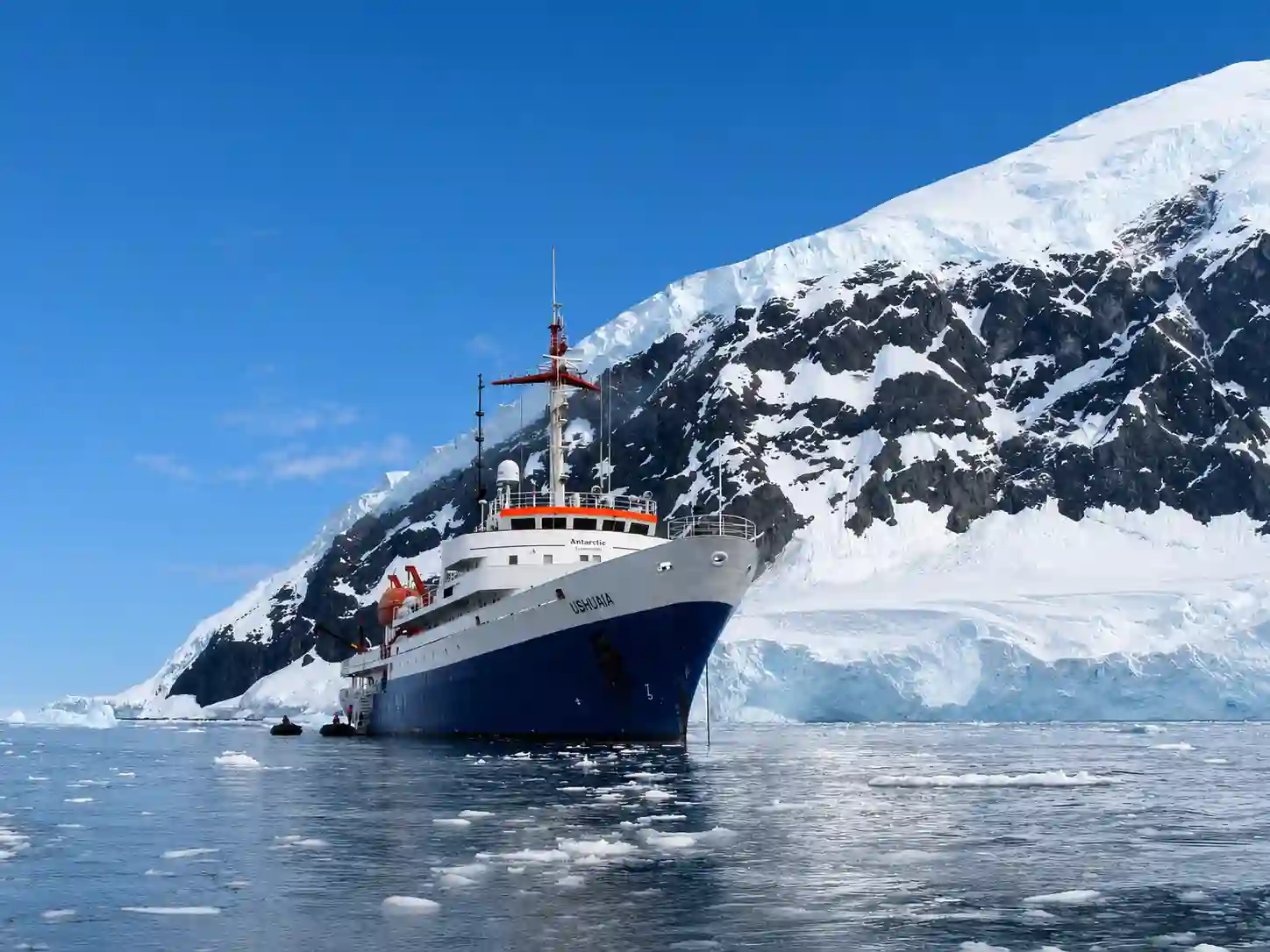
Antarpply Expeditions matters because it converts Ushuaia’s Antarctic geography into a concrete operating business.
The company operates at the intersection of small-ship tourism, polar logistics, IAATO rules, South Atlantic port access and environmental governance. Its central asset is the MV Ushuaia, an ice-strengthened expedition vessel operating in a capacity range that allows the small-ship model to work around Antarctic landing rules.
The key market insight is not that Antarpply sells cruises. It is that a company based in Ushuaia can turn location into value only through vessel capacity, compliance, safety routines, passenger handling, port reliability and disciplined operations in one of the world’s most regulated tourism environments.
For broader context, see Econosur’s analysis of Argentina’s Antarctic science economy, Argentina insights and South America Sector Briefs.
Core market reading:
Antarpply’s small-ship model is valuable because it fits the operating rules of Antarctic tourism. A vessel below the 100-person landing threshold can turn regulatory constraint into expedition efficiency.
Why Antarpply matters now
Antarpply matters because Antarctic tourism is no longer a marginal adventure niche. Visitor numbers remain above the 100,000 mark, according to IAATO-related reporting, and the operational burden around site management, biosecurity, wildlife protection and landing rules keeps rising.
That makes the company a useful lens for Argentina’s Antarctic economy. Ushuaia is not only a departure point on a map. It is a port, service base, crew and passenger node, provisioning point, risk-management environment and symbolic gateway to the Antarctic Peninsula.
Antarpply’s role is specific. It is not a mass cruise operator and not a national research institution. It sits in the small-ship expedition segment, where passenger capacity, landing efficiency, guide ratios, Zodiac operations, vessel age, refurbishment, environmental practice and itinerary control define the business.
Geography becomes business only when operations make it reliable.
Ushuaia’s proximity to Antarctica is an advantage. Antarpply shows how that advantage must be turned into vessel operations, port use, landings, safety systems and compliance.
Company profile: Ushuaia-based Antarctic operator
IAATO describes Antarpply Expeditions as a leading operator of small-ship expedition cruises to Antarctica and the sub-Antarctic islands. The company is based in Ushuaia and specializes in small groups visiting remote Antarctic and sub-Antarctic destinations.
That positioning is important because it places Antarpply inside Argentina’s Antarctic gateway system rather than only inside global cruise tourism. The company’s value proposition depends on the interaction between destination access, vessel size, landing rules, expedition staff, environmental compliance and Ushuaia logistics.
The company’s product portfolio includes classic Antarctic Peninsula voyages and more extended expedition formats such as South Georgia, Polar Circle and Weddell Sea itineraries. The market logic is the same across these products: small groups, landing intensity, expedition interpretation and access to remote sites.
The MV Ushuaia: small vessel, large operating logic
The MV Ushuaia is the company’s central asset and the reason this company insight works. According to Antarpply’s current vessel page, the ship has been refurbished to accommodate a maximum of 90 passengers in 46 cabins and suites. IAATO’s public profile lists the same vessel with a capacity of 95 passengers.
The useful market reading is not the last passenger count. The useful market reading is the operating threshold: both public figures keep the vessel below the 100-person landing limit that shapes Antarctic shore operations.
Antarpply’s current technical page lists the vessel as built in 1970, with a length of 84.73 meters, a cruising speed of 12 knots, eight Zodiacs and RIBs, INSB Ice class C classification and the Togolese Republic flag. IAATO and CruiseMapper both connect the vessel’s original build to NOAA, where it operated under earlier research-vessel identities before becoming an expedition ship.
| Vessel element | Current reading | Why it matters |
|---|---|---|
| Passenger capacity | Antarpply lists 90 passengers; IAATO lists 95 passengers. | Both public values place the vessel below the 100-person landing threshold that defines the small-ship advantage. |
| Cabins | Antarpply’s current page lists 46 cabins and suites. | Cabin configuration explains why public capacity figures can vary across sources. |
| Year built | 1970. | Vessel age makes refurbishment, safety, maintenance and reliability part of the market story. |
| Ice classification | INSB Ice class C according to Antarpply’s technical facts. | Polar operations depend on vessel suitability, classification and operating discipline. |
| Zodiacs / RIBs | Eight listed by Antarpply. | Zodiac capacity is central to shore landings, wildlife viewing and expedition operations. |
| Flag | Togolese Republic on Antarpply’s current vessel page. | Flag, classification and ownership details belong to the operational-risk file for polar tourism. |
Why small ships matter in Antarctica
The small-ship model is not only a branding claim. It is an operational advantage created by Antarctic tourism rules. IAATO-linked guidance and reporting repeatedly point to a core landing constraint: a maximum of 100 passengers may be ashore from a vessel at one time.
That rule changes the economics of the experience. A ship operating below that threshold can generally land its passengers in a single shore-operation cycle. A larger vessel must rotate passengers in groups, which affects time ashore, guide planning, Zodiac scheduling and site pressure.
This is why Antarpply’s vessel size is strategically relevant. The MV Ushuaia is not merely smaller than many modern expedition ships. Its size aligns with the practical rules of Antarctic landings.
For Antarpply, small-ship capacity is not just comfort. It is the operating logic that makes landings, compliance and expedition value fit together.
IAATO and the governance layer
Antarctic tourism is governed by a dense combination of treaty rules, visitor guidelines, site management, environmental protection, operator coordination and IAATO practice. Antarpply’s own public materials state that it operates expeditions in line with IAATO guidelines and relevant international regulations during navigation and shore visits.
For a company like Antarpply, compliance is part of the product. Passengers are not only buying transport to Antarctica. They are buying access to a tightly managed environment where the right to land, move, observe wildlife and visit sensitive sites depends on rules, staff, scheduling and operator discipline.
This makes IAATO a market framework rather than a background detail. The association’s categories, vessel rules, visitor limits and environmental expectations shape the business model of every Antarctic tourism operator.
The MV Ushuaia’s capacity sits below the landing threshold that makes simultaneous shore operations possible.
Visitor numbers above 100,000 keep pressure on site guidance, biosecurity, wildlife protection and landing management.
Vessel age, maintenance, port reliability, weather, safety systems and compliance are not back-office details. They define the company’s market position.
Ushuaia as the operating base
Ushuaia is the essential geographic asset behind Antarpply’s market role. The city is one of the world’s most important gateways for ship-based Antarctic tourism, especially for voyages to the Antarctic Peninsula.
But location alone does not create value. The port must handle vessels, passengers, provisioning, crew logistics, weather disruption, emergency planning and regulatory coordination. Antarctic tourism begins before the Drake Passage; it begins in the systems that make departure and return possible.
Antarpply’s Ushuaia base turns that geography into a local company story. It connects Argentina to the Antarctic tourism value chain through an operator rather than only through port statistics, tourism numbers or sovereignty narratives.
Refit and management transition
The 2023 transition gives the company insight a clear temporal marker. Cruise Industry News reported that Ute Hohn-Bowen, part owner and director at Antarpply Expeditions, would retire on December 31, 2023, and that Greg Carter would replace her from January 1, 2024.
Carter is a meaningful appointment because he came with more than two decades of industry experience, including co-founding Chimu Adventures and serving as Chief Commercial Officer at Albatros Expeditions. The transition therefore links Antarpply to a broader polar and Latin America travel network.
The vessel story also changed around the same period. CruiseMapper reports that the full renovation project covered all decks and public facilities, including the bar lounge, restaurant, passenger staterooms and crew areas. Antarpply’s current site also presents the Ushuaia as refurbished. For a vessel built in 1970, refurbishment is not cosmetic. It is part of the operating-risk and product-quality story.
The transition is not only about management. It is about continuity in a regulated niche.
Antarpply’s challenge is to preserve the credibility of a small-ship Antarctic product while maintaining an older vessel, managing compliance and competing in a growing expedition market.
Market risk: growth, rules and vessel discipline
Antarpply operates in a market with strong demand and rising scrutiny. IAATO’s current data page shows 2025/26 figures at a glance: 27,217 cruise-only visitors, 85,195 landed visits and 1,106 deep-field visitors. MercoPress, citing IAATO, reported 118,491 Antarctic visitors in the 2024/25 season after 122,072 in 2023/24.
These figures show the pressure around the Antarctic Peninsula. Even when annual numbers dip, the tourism system remains well above the 100,000-visitor level. That creates a stronger need for site management, biosecurity, operator discipline and environmental safeguards.
For Antarpply, this is both opportunity and risk. Demand supports the business. But the company’s value depends on staying credible in a system where a single vessel incident, compliance failure, safety problem or port disruption can damage trust quickly.
| Risk layer | How it affects Antarpply | Market interpretation |
|---|---|---|
| Environmental regulation | Landing rules, visitor management, biosecurity and wildlife protection shape every itinerary. | Compliance is part of the product, not only a legal requirement. |
| Vessel age and maintenance | The MV Ushuaia’s 1970 build year makes refit, classification and upkeep highly visible. | Reliability is central to trust in a remote operating environment. |
| Ushuaia port reliability | Departures, returns, provisioning and passenger flows depend on the gateway functioning well. | Local infrastructure quality affects the Antarctic product. |
| Tourism pressure | High visitor numbers increase scrutiny on operators and landing sites. | Small ships may benefit if pressure favors lower-impact operating models. |
| Weather and safety | Drake Passage, polar weather and remote medical risk remain central operational constraints. | Safety systems and crew competence are part of the company’s market value. |
Antarpply as an Econosur hub node
Antarpply works as a company node because it connects several Econosur themes: Argentina’s Antarctic role, Ushuaia as a gateway, South Atlantic logistics, environmental monitoring, tourism pressure and institutional governance.
In the penguin-guano and climate-data article, the focus is scientific infrastructure: Marambio, research stations, environmental data and South Atlantic knowledge systems. Antarpply adds the commercial tourism layer. It shows how private-sector operations also depend on Antarctic rules, logistics and geographic access.
The company also connects to broader South American tourism and logistics questions. Antarctic tourism is international, but the operational bottleneck is local: ports, services, passenger handling, vessels, environmental compliance and trust.
Antarpply’s larger market question
Antarpply’s larger market question is not whether Ushuaia is close to Antarctica. It is. The question is whether an Argentine-based operator can maintain a credible small-ship model in a more crowded, more regulated and more scrutinized Antarctic tourism market.
The company’s position depends on a precise fit between vessel size, passenger expectations, IAATO rules, Zodiac operations, environmental discipline, port logistics and safety. This is why the MV Ushuaia’s capacity matters: the ship’s size aligns with the operating rules that make Antarctic landings valuable.
For Argentina, the company illustrates a broader point. South Atlantic geography becomes economic value only when it is translated into reliable operations. Antarpply is one small but concrete example of that translation.
Antarpply shows that Ushuaia’s Antarctic gateway value is operational, not just geographic.
This company insight uses official company materials, IAATO public profiles, current Antarctic tourism statistics and industry reporting. Vessel capacity figures differ across public sources; this article identifies the two relevant public values directly: Antarpply lists 90 passengers, while IAATO lists 95 passengers. The market point is that both values place the vessel below the 100-person Antarctic landing threshold.
- Antarpply Expeditions official website: company positioning, expedition portfolio and small-ship Antarctic product.
- Antarpply Expeditions vessel page: MV Ushuaia, 90 passengers, 46 cabins, technical facts, INSB Ice class C, Togolese Republic flag, 1970 build year and Zodiac/RIB count.
- Antarpply availability page: Ushuaia address and public statement on operating according to IAATO guidelines and relevant international regulations.
- IAATO company profile: Antarpply as a Ushuaia-based operator of small-ship expedition cruises to Antarctica and sub-Antarctic islands.
- IAATO vessel profile: Ushuaia, Category 1 vessel, operator Antarpply Expeditions, Antarctic trips since 2002 and IAATO capacity listing.
- IAATO Data & Statistics: Antarctic tourism monitoring since 1991 and 2025/26 visitor numbers at a glance.
- MercoPress: IAATO-referenced 2024/25 Antarctic visitor count, 2023/24 comparison and landing-rule context.
- Cruise Industry News: 2023 Antarpply refurbishment and management transition from Ute Hohn-Bowen to Greg Carter.
- CruiseMapper: MV Ushuaia history, NOAA origins, Togo flag reference and 2023 refurbishment context.
Antarpply raises practical questions for tourism operators, port actors, public agencies, environmental analysts and companies watching South Atlantic tourism and logistics.
- Can small-ship operators benefit from rising scrutiny of Antarctic tourism pressure?
- Will Ushuaia maintain the port reliability and service quality required for expedition departures?
- How will IAATO rules, site guidance and biosecurity expectations affect small operators?
- Can the MV Ushuaia’s refurbishment and maintenance profile support long-term market credibility?
- Does passenger capacity below the 100-person landing threshold become a stronger competitive advantage?
- How much of Argentina’s Antarctic gateway value depends on private operators rather than public infrastructure alone?
- Will Antarctic tourism growth create more demand for local suppliers, port services, safety systems and environmental monitoring?
- Can Argentina turn South Atlantic geography into a more reliable polar tourism and logistics platform?
From Antarctic gateway to operating model
Antarpply Expeditions is not only an Antarctic cruise company. It is a company-level example of how Ushuaia’s geography becomes market value through vessel operations, landing rules, polar logistics, environmental compliance and passenger handling.
Econosur prepares custom market analysis for companies, analysts and institutions evaluating South American tourism corridors, Antarctic gateways, port infrastructure, company exposure, environmental rules, polar logistics and South Atlantic market opportunities.
Explore custom market analysisFAQ
What is Antarpply Expeditions?
Antarpply Expeditions is a Ushuaia-based Antarctic expedition cruise operator. Its core market role is connecting Argentina’s Antarctic gateway city with small-ship voyages to Antarctica and sub-Antarctic destinations.
Why does Antarpply matter for Argentina’s Antarctic economy?
Antarpply matters because it turns Ushuaia’s geography into a concrete operating model: a small expedition vessel, port use, Antarctic landings, IAATO compliance, passenger handling, safety routines and polar logistics.
What is the MV Ushuaia?
The MV Ushuaia is Antarpply’s expedition vessel. It was built in 1970, originally for NOAA, and is operated as an ice-strengthened polar vessel for Antarctic expedition voyages.
How many passengers does the MV Ushuaia carry?
Current public sources differ slightly. Antarpply’s current vessel page lists 90 passengers in 46 cabins, while IAATO lists 95 passengers. A cautious market description is therefore around 90 passengers, with the important operating point being that the vessel sits below the 100-person Antarctic landing threshold.
Why does small-ship capacity matter in Antarctica?
Small-ship capacity matters because Antarctic landing rules generally limit the number of passengers ashore at one time to 100. A vessel below that threshold can operate landings more efficiently than larger ships that must rotate passengers in groups.
What is the market risk for Antarpply?
The main risks are environmental regulation, biosecurity rules, port reliability in Ushuaia, weather, safety standards, vessel age, operating costs and the broader pressure created by high Antarctic visitor numbers.