
Company Insight · Chile · Gelymar · Seaweed · Hydrocolloids · Carrageenan · Alginates
Gelymar: Chile’s Seaweed Processing Layer
Gelymar shows the part of Chile’s seaweed economy that is often missing from raw-material stories: processing, extraction, formulation, technology centers, certifications and global B2B ingredient markets for carrageenan, alginate and hydrocolloid systems.
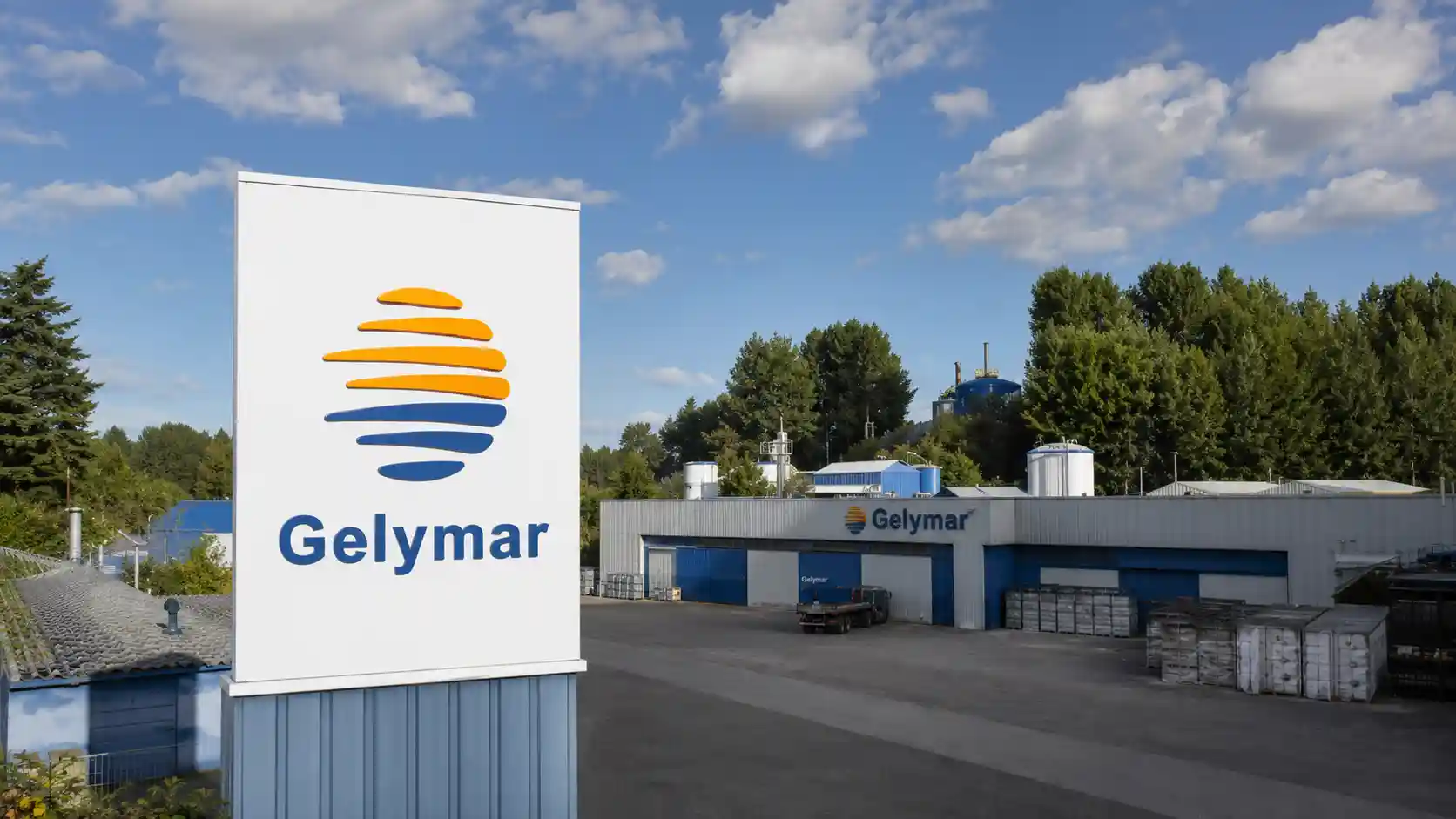
Gelymar is the clearest company-level example of Chile’s seaweed processing layer.
The company turns seaweed inputs into carrageenan, alginate and hydrocolloid ingredient systems for food, pharmaceutical, personal-care and other industrial applications. That makes Gelymar strategically different from a raw-material exporter: it shows how seaweed becomes a formulated B2B ingredient platform.
For broader context, see Econosur’s Chile seaweed industry analysis, Chile insights, agriculture and food systems coverage and South America Company Reports.
Core market reading:
Gelymar shows where Chile’s seaweed value chain becomes industrial. The company connects coastal raw material, artisanal harvesting, extraction technology, formulation know-how, quality systems and global ingredient buyers.
Why Gelymar matters now
Gelymar matters because Chile’s seaweed economy is often described through harvest volumes, dried exports and China-led demand. That view is useful, but incomplete. The stronger market question is where Chile captures value after the raw material is dried.
Gelymar sits in that processing layer. Its business is not the simple movement of dried seaweed. It is the conversion of marine raw materials into carrageenan, alginate and hydrocolloid systems that serve food, pharmaceutical, personal-care, cosmetics, home-care and animal-nutrition markets.
That position makes Gelymar a useful company case for Chile’s blue economy. It shows the difference between owning a resource and building an ingredient system around that resource.
Gelymar is the value-chain step Chile needs more of.
Its strategic importance comes from processing, formulation, certifications, technology centers and distribution, not from seaweed volume alone.
Company profile: from seaweed to hydrocolloids
Gelymar describes itself as a pioneer and leading company in textural solutions for the food, pharmaceutical and personal-care industries, based on natural extracts from seaweed and plants. The company says it continues more than 75 years of history in the development and production of seaweed extracts, which has made it a major player in hydrocolloids such as carrageenans and alginates.
The company’s current public profile points to a multi-site manufacturing footprint in Chile and Indonesia, two product technology centers and a worldwide distribution network reaching more than 70 countries. Its address is listed in Providencia, Santiago, while its production history is tied to southern Chile, Puerto Montt, Tierra del Fuego and later international commercial and technology expansion.
Gelymar’s history page gives the company a clear Chilean industrial trajectory: production activities in 1993, a heterogeneous processing plant in 1997, alcohol refining in 1999, SOFOFA recognition in 2000, commercial and logistics offices in France, Mexico, China and Brazil from 2004, a semi-refined carrageenan plant in Tierra del Fuego in 2010, pharmaceutical-grade alginate pilot work in 2015, an EMEA office in Barcelona in 2021 and a new office and laboratory in Mexico in 2023.
Product layer: carrageenan, alginate and formulation
Gelymar’s product layer is centered on hydrocolloids. Its carrageenan page describes carrageenans as natural ingredients obtained from red seaweed and used to transform texture through gelling, thickening, stabilizing, emulsifying, water retention, binding and synergy with other hydrocolloids.
The company’s carrageenan lines include Carragel, CarraLact and Carrasol, each tied to specific functional needs such as gel formation, dairy applications, stability, body and viscosity. This matters because it shows that Gelymar is not merely extracting a commodity. It is selling performance inside industrial formulations.
Gelymar’s alginate page adds the brown-seaweed layer. The company describes alginate as a natural derivative from brown algae for food, cosmetic and pharmaceutical uses, and states that it uses brown algae from the coasts of southern Chile, processed fresh at its industrial sites to preserve functionality and quality.
| Product layer | Gelymar signal | Market meaning |
|---|---|---|
| Carrageenan | Red-seaweed ingredient systems for gels, thickening, stability, emulsification and texture. | Shows the higher-value industrial use of Chile-linked seaweed inputs. |
| Alginates | Brown-seaweed derivatives for food, cosmetic and pharmaceutical applications. | Connects southern Chilean raw material with downstream ingredient markets. |
| Formulation support | Technology centers, product lines and application-specific texture systems. | Moves the company beyond raw extraction into B2B ingredient problem-solving. |
| Global distribution | Network reaching more than 70 countries, according to Gelymar’s company profile. | Turns Chilean marine inputs into an international ingredient platform. |
Raw material and harvest: Red Luga, Chiloé and artisanal supply
Gelymar’s raw-material story is unusually concrete. The company highlights Red Luga, or Gigartina skottsbergii, as a foundation for some of its most exclusive carrageenans. This seaweed grows in cold waters and is harvested through diving work in southern Chile.
The company’s harvesting description points to the Los Lagos Region and especially Chiloé Island. Divers harvest during the summer months from October to March, when conditions are more favorable, and can collect seaweed at depths of up to 20 meters. The harvested seaweed is weighed and recorded, which Gelymar presents as part of resource monitoring and extraction control.
The regeneration step is strategically important. Gelymar states that divers plant new seaweed after harvesting so that it can grow for the next season. For a company profile, that makes the supply chain more than a procurement issue. It links Gelymar’s input quality to local communities, traditional harvesting knowledge, regulation and biological regeneration.
Gelymar’s market position begins with a biological input and ends as an industrial ingredient system.
Value-chain signal: the processing layer Chile needs
Chile’s wider seaweed industry has a familiar resource-market problem. The country has strong natural supply, low-cost drying conditions and export demand, but the higher-value part of the chain often sits in extraction, formulation and end-market access.
Gelymar is strategically important because it shows that the missing layer is not theoretical. Chile can host processing, technology, ingredient formulation and global distribution. The company’s own profile shows a business model that links local raw materials with worldwide hydrocolloid markets.
The 2019 expansion material cited by industry sources is useful as a historical signal. It pointed to investment in production capacity and the strengthening of Gelymar’s cold-water carrageenan position. For a 2026 company profile, the older capacity numbers should be treated as historical expansion evidence rather than current capacity, because the company’s public footprint has evolved since then.
Gelymar is the company case that turns the Chile seaweed thesis into an industrial thesis.
The relevant question is not whether Chile has seaweed. The relevant question is how much of the ingredient, formulation and customer-facing value Chile can capture.
Risk map: raw material, quality and market concentration
Gelymar’s opportunities and risks both come from its position in the middle of the value chain. The company benefits from Chile’s coastal resources, artisanal harvesting knowledge, southern cold-water species, processing expertise and international demand for hydrocolloid ingredients.
The same position creates constraints. Seaweed resource management matters. Harvesting rules matter. Local community relationships matter. Certification and quality systems matter. Buyer diversification matters. Global hydrocolloid competition matters. A company that sells into food, pharma and personal-care markets must also maintain consistency, safety, traceability and regulatory credibility.
This risk map makes Gelymar more useful than a simple blue-economy success story. It shows what Chile must manage if it wants to capture more seaweed value without weakening the natural and community base that makes the sector possible.
Gelymar demonstrates that Chilean seaweed can become carrageenan, alginate, formulation support and global ingredient distribution.
The supply chain depends on biological renewal, artisanal harvesting practices, regulation, monitoring and local community relationships.
Gelymar competes in ingredient markets where buyers expect quality, consistency, certifications, technical support and price discipline.
Supplier-market signal
Gelymar creates a supplier-market signal across several layers. The upstream layer includes seaweed harvesting, community relationships, logistics, drying, monitoring and traceability. The processing layer includes extraction equipment, energy systems, water management, biomass use, quality control, plant engineering, food-safety systems and certification.
The downstream layer includes formulation support, laboratory capacity, technical service, distribution, application testing, regulatory documentation and customer-specific product development. That is where Gelymar becomes a B2B ingredient system rather than only a seaweed processor.
Why this company case matters for Chile
Gelymar matters because it makes the value-chain problem visible. Chile has strong seaweed resources and a recognized position in wild harvest. The larger economic question is how much value remains in Chile after the raw material leaves the coast.
Gelymar shows one answer: processing capacity, product technology, ingredient formulation, quality systems and international distribution. The company does not eliminate the risks in Chile’s seaweed economy, but it shows how the country can move further downstream.
That makes Gelymar a useful company insight for readers evaluating Chile’s blue economy. The company sits between local coastal resources and global industrial buyers. That is exactly the layer where Chile can either remain a raw-material supplier or build stronger resource-based industrial capabilities.
Gelymar is where Chilean seaweed becomes an industrial ingredient story.
Three Business Questions for Buyers, Partners and Ingredient-Market Analysts
1. Which customer segments offer the strongest growth potential for Gelymar’s hydrocolloid ingredients?
Gelymar’s public product portfolio points to several distinct demand pools rather than one homogeneous hydrocolloid market. Carrageenan and alginate are positioned for food and beverage, pharmaceutical, personal-care, cosmetics, home-care and animal-nutrition applications, while the company also emphasizes formulation support and application-specific texture systems.
The strongest opportunity is therefore likely to sit where ingredient functionality, formulation support, quality consistency and documentation matter enough for buyers to value more than commodity price alone. Food and beverage is an obvious volume market, while pharmaceutical and personal-care applications can place greater weight on specification control, documentation and supplier reliability. Public information, however, does not show Gelymar’s current revenue mix, customer concentration, margins or growth by application.
What requires commercial verification: buyer demand by application, customer concentration, switching behavior, price sensitivity, formulation needs, regional demand and which product families are winning new business.
2. How resilient is Gelymar’s raw-material supply and traceability model in southern Chile?
Gelymar links part of its high-value carrageenan portfolio to Red Luga from southern Chile and Chiloé, and describes a harvesting system based on seasonal diving, weighing and recording harvested material, resource monitoring and regeneration practices. That gives the public supply-chain story unusual biological and community detail.
What public sources do not establish is the commercial resilience of that system: available volumes by species, supplier concentration, price volatility, harvest variability, contract structures, cultivated-versus-wild supply, competing demand for raw material or the extent to which weather and biological conditions affect procurement. Those factors determine whether traceable supply can remain consistent as downstream demand changes.
What requires primary research: harvester and supplier structure, seasonal availability, procurement economics, traceability practices, resource constraints, community relationships, alternative sources and the practical robustness of regeneration and monitoring systems.
3. What should buyers and partners verify before treating Gelymar as a long-term hydrocolloid supplier?
The public profile supports a credible industrial platform: manufacturing in Chile and Indonesia, technology centers, a distribution network in more than 70 countries, carrageenan and alginate product systems, and sustainability and harvesting programs. But a long-term sourcing decision requires a different level of evidence.
Buyers should verify the production sites and grades relevant to their application, available capacity, batch consistency, certifications, traceability, regulatory documentation, lead times, regional distribution structure, technical-service capability, customer-specific formulation support and the resilience of critical raw-material inputs. Procurement teams may also need to understand qualification procedures, change-control rules, audit requirements and commercial terms that are not visible in public company material.
What requires commercial verification: current capacity and availability, qualification requirements, certification scope, supply continuity, distributor responsibility, technical support, pricing structure and the operational fit between Gelymar’s product system and a specific buyer.
Public sources establish Gelymar’s product portfolio, processing role, international footprint, harvesting narrative and sustainability positioning. They do not provide a complete view of current customer concentration, segment-level demand, live procurement needs, raw-material contract structures, available production capacity, commercial terms, distributor performance or buyer qualification requirements.
Those questions require targeted company, buyer, supplier and channel research rather than a public-source company profile alone.
Gelymar Market, Buyer and Supply-Chain Research
Econosur can extend this public company analysis into targeted commercial research for ingredient companies, buyers, processors, distributors, investors and institutions evaluating Chilean seaweed, hydrocolloids and resource-based value chains.
This company insight uses Gelymar’s own company overview, history, carrageenan, alginate, sustainability and harvesting pages as primary sources. It also treats 2019 Algaia and industry-press material as historical context for capacity expansion and market positioning, not as current capacity data. Current site-level statements are prioritized where older expansion reports differ from newer company information.
- Gelymar: Company Overview — textural solutions, hydrocolloids, carrageenans, alginates, 75+ years of seaweed-extract experience, manufacturing footprint, technology centers, global distribution and Santiago address.
- Gelymar: History — production start in 1993, processing plant milestones, SOFOFA recognition, Tierra del Fuego plant, EMEA office and Mexico office/laboratory.
- Gelymar: Carrageenans — red-seaweed ingredients, textural functionality and product lines including Carragel, CarraLact and Carrasol.
- Gelymar: Alginates — brown-seaweed derivatives from southern Chile and food, cosmetic and pharmaceutical applications.
- Gelymar: Sustainability — responsible harvesting, artisanal communities, certifications, raw-material studies, cultivated seaweed share and biomass-based steam.
- Gelymar: The Harvesting of Our Seaweed — Red Luga, Chiloé, seasonal diving, resource monitoring and regeneration practices.
Examples of questions Econosur can investigate for companies and institutions evaluating this market:
- Which buyer segments and applications are creating the strongest demand for carrageenan and alginate?
- Which companies buy directly from processors and which rely on distributors or formulation partners?
- How concentrated is demand by customer, geography and end-use sector?
- Which hydrocolloid competitors are strongest in the relevant application and target market?
- How resilient are Red Luga and other raw-material supply chains by season, source and procurement structure?
- What traceability, certification, audit and documentation requirements matter most to buyers?
- Which distributors, agents or technical partners influence access to specific international markets?
- What production, capacity or investment claims can be independently verified?
- Where can primary interviews clarify commercial conditions that public sources do not show?
Need to know where Gelymar’s commercial strengths and supply risks are actually concentrated?
Econosur researches the layers a public company profile cannot fully answer: buyer demand, customer segments, competitor positioning, raw-material suppliers, traceability, distributor structures, procurement and qualification requirements, certifications and commercially relevant capacity.
Research can combine public-source analysis with targeted interviews, supplier and buyer checks, channel research and field verification in the Southern Cone where appropriate.
Discuss a custom research questionFAQ
What is Gelymar?
Gelymar is a Chilean hydrocolloid and textural-solutions company that produces carrageenan, alginates and related ingredients from seaweed and plant-based raw materials for food, pharmaceutical and personal-care markets.
Why does Gelymar matter for Chile’s seaweed industry?
Gelymar matters because it shows the processing layer beyond dried seaweed exports. The company connects Chilean seaweed inputs with carrageenan, alginate, formulation support, technology centers and global B2B ingredient markets.
Which seaweed is important for Gelymar?
Gelymar highlights Red Luga, or Gigartina skottsbergii, from southern Chile and Chiloé as an important basis for high-value carrageenan products.
Which industries does Gelymar serve?
Gelymar serves food, beverage, pharmaceutical, personal care, cosmetics, home care and animal nutrition markets through textural and hydrocolloid ingredient systems.
What is the main strategic issue for Gelymar?
The main strategic issue is value-chain control. Gelymar sits in the processing layer where Chile can capture more value from seaweed through extraction, formulation, quality systems, certifications, technology centers and global distribution.
Which customer segments offer the strongest growth potential for Gelymar?
Public information shows applications across food and beverage, pharmaceutical, personal care, cosmetics, home care and animal nutrition, but it does not disclose Gelymar’s current revenue mix or growth by segment. Determining the strongest commercial opportunities requires buyer-demand, application and competitor research by target market.
How resilient is Gelymar’s raw-material supply model?
Gelymar describes seasonal harvesting, monitoring and regeneration practices for seaweed such as Red Luga in southern Chile. Public sources do not establish supplier concentration, available volumes, procurement economics or seasonal supply risk, so those factors require direct supply-chain research.
What should buyers verify before treating Gelymar as a long-term supplier?
Buyers should verify the relevant production site and grade, capacity and availability, batch consistency, certifications, traceability, regulatory documentation, lead times, distribution responsibility, technical support, qualification requirements and the resilience of critical raw-material inputs.