
South America · Agriculture · Food Systems · Processing · Logistics · Market Access
Agriculture & Food Systems in South America: Production, Processing and Export Systems
South America’s food economy is built from several different systems: Brazil’s production scale, Argentina’s agroindustrial depth, Paraguay’s soy-and-beef export model, Uruguay’s high-export dairy and livestock structure, and Chile’s Pacific-facing food and wine economy.
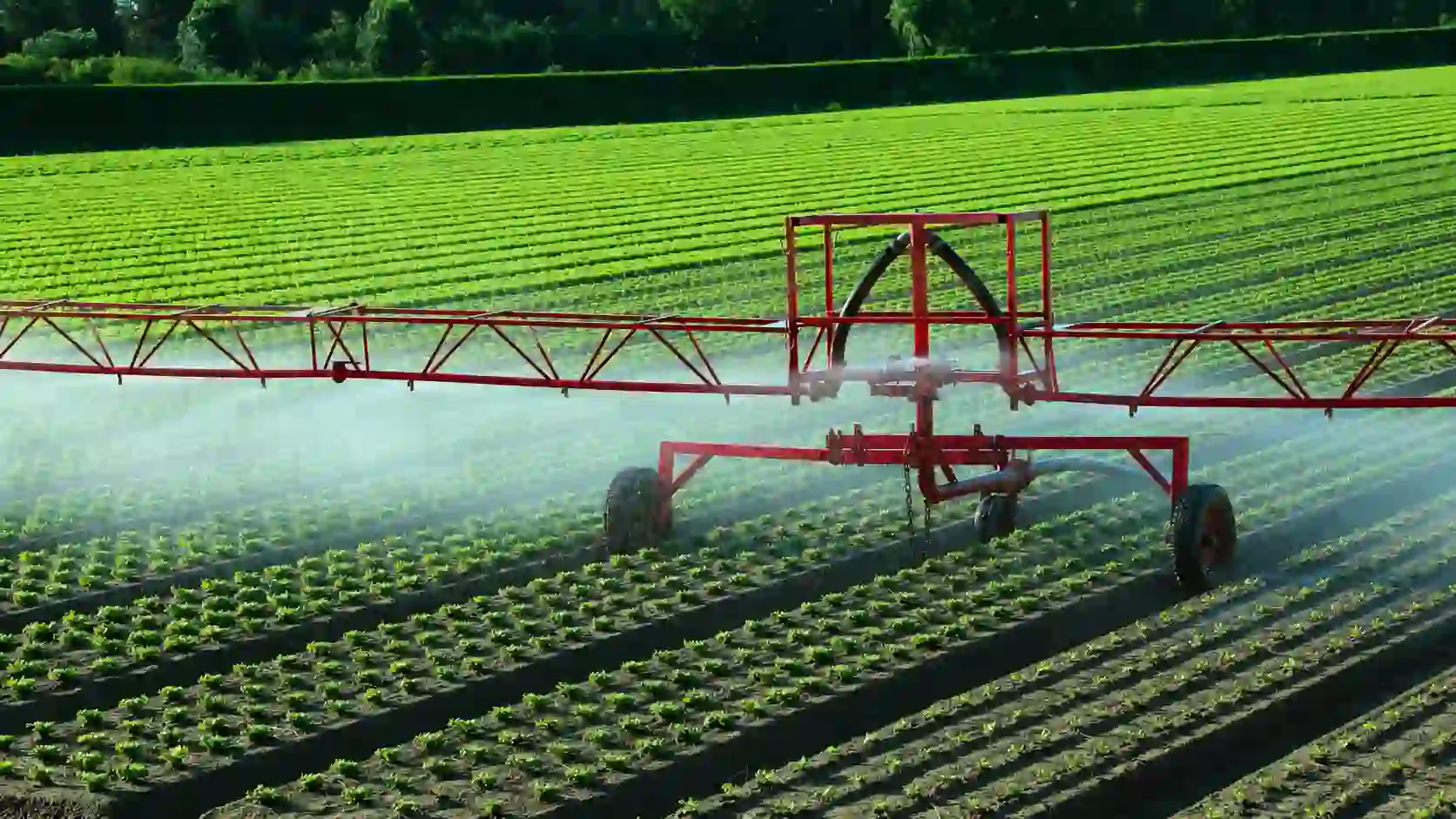
Agriculture and food systems in South America are regional production systems with very different country roles.
Brazil provides the greatest agricultural scale. Argentina combines large production with deep agroindustrial processing and export infrastructure. Paraguay is highly exposed to soy, beef and river logistics. Uruguay has a smaller but strongly export-oriented food system, particularly in dairy and animal protein. Chile is more strongly positioned around fruit, wine, food processing and Pacific-facing export markets.
The commercial question begins after production. Storage, crushing, meat processing, dairy plants, cold chains, sanitary approvals, traceability, ports and waterways determine whether agricultural output becomes reliable market value.
One Region, Several Food-System Models
South America’s agricultural strength is often described through production volumes, but production alone does not explain the sector. The region combines land, processing plants, export corridors, certification systems and buyer relationships that differ by product and country.
Econosur’s Mercosur agriculture analysis provides the wider regional frame. It examines why large agricultural output does not remove dependence on external markets, logistics, inputs, trade rules and buyer requirements.
The regional food system has four connected layers: agricultural production, industrial processing, logistics and export infrastructure, and proof systems such as sanitary approval, traceability and certification.
Brazil: The Regional Production Scale Anchor
Brazil sets the scale of South American agriculture. Soy, corn, animal protein, sugar, coffee, biofuels and food processing operate inside a large domestic market and a major export economy.
Brazil also shapes neighboring systems. Paraguayan agricultural exports depend heavily on Brazilian demand, regional trade and downstream logistics, while Uruguayan dairy exports face both commercial opportunity and regulatory exposure in the Brazilian market.
The Brazil market profile provides the broader country context behind this agricultural scale.
Argentina: Agroindustrial Depth Beyond the Farm Gate
Argentina combines agricultural production with large-scale processing, river logistics, food exports and a broad domestic consumer market. Its agroindustrial system includes grains, oilseeds, beef, wine, fisheries, dairy and processed foods.
The Vino Toro and Fecovita analysis shows one side of that structure: cooperative production, high-volume wine economics and the difference between affordable domestic demand and Argentina’s premium export narrative.
The Compañía de Tierras Sud Argentino company insight adds the land-and-livestock layer. CTSA connects Patagonian landholding, wool, livestock, agriculture and forestry with long-term supply-chain and territorial risk.
Newsan adds another food-system model through Newsan Food, fisheries, aquaculture and export diversification inside a group better known for manufacturing and consumer goods.
Paraguay: Soy, Beef and River Logistics
Paraguay’s agricultural model is concentrated, export-oriented and highly dependent on logistics. Soy is a core crop, but the country’s food-system relevance also includes cattle, meat processing, certification and cold-chain infrastructure.
Econosur’s Paraguay Soy Model links production efficiency with river dependency, land-use exposure and rising traceability requirements. The model cannot be understood without the Paraguay River economy and the wider Paraná-Paraguay Waterway.
Frigorífico Concepción shows the industrial side of Paraguayan agribusiness. The company connects domestic livestock with meat processing, export certification, refrigeration, cold-chain logistics and regional expansion.
Paraguay is a useful test of whether agricultural competitiveness survives beyond the farm gate. Soy depends on river access and compliance. Beef depends on processing, sanitary approval, cold chains and destination-market access. Both systems convert natural-resource advantage into export value through infrastructure and proof.
Uruguay: Dairy, Beef and Export Concentration
Uruguay’s food economy is small in absolute terms but highly export-oriented. Dairy illustrates this especially clearly because the domestic production system is concentrated in a small number of processors and a limited number of major product and destination markets.
Econosur’s Uruguay Dairy Export System found that 74% of processed milk was directed to exports in 2025. Four processors — Conaprole, Estancias del Lago, Lactalis and Alimentos Fray Bentos — received 91% of industrial milk intake.
The same case shows why market access matters as much as production. Whole milk powder dominated export revenue, while Algeria and Brazil were the two largest destination markets. Concentration gives Uruguay scale efficiency but also exposes the system to product, buyer and trade-policy risk.
Chile: Pacific-Facing Food and Wine Markets
Chile occupies a different position from the Mercosur agricultural core. Its food-system relevance is more strongly associated with fruit, wine, aquaculture, food processing, export quality and Pacific-facing logistics.
This makes Chile particularly relevant for buyer standards, cold-chain performance, export branding and access to Pacific markets rather than for the river- and grain-based systems that dominate much of the Southern Cone.
See the Chile market profile for the wider country context.
“South America’s food advantage is not only agricultural. It sits in the systems that process, certify, transport and sell what the region produces.”
Current Company and Market Cases in This Hub
| Case | Country | Why it matters | Econosur page |
|---|---|---|---|
| Frigorífico Concepción | Paraguay | Connects livestock, meat processing, certification, cold chain, river geography and export-market access in one operating company. | Read company insight |
| Compañía de Tierras Sud Argentino | Argentina | Shows how landholding, wool, livestock, agriculture, forestry and territorial exposure interact in Patagonia. | Read company insight |
| Newsan / Newsan Food | Argentina | Shows food exports, fisheries and aquaculture as a diversification and foreign-currency layer inside a broader industrial group. | Read company insight |
| Vino Toro / Fecovita | Argentina | Shows cooperative production, volume wine, domestic affordability and the economics behind a mass-market food-and-beverage system. | Read market case |
| Uruguay Dairy Export System | Uruguay | Maps production, processor concentration, whole-milk-powder exposure, sanitary access and destination-market risk. | Read dairy analysis |
| Paraguay Soy Model | Paraguay | Connects soybean production with logistics, land-use exposure, traceability and one critical river corridor. | Read soy analysis |
Logistics, Certification and Market Access
Agricultural production is unusually sensitive to infrastructure because many products are bulky, perishable or both. Soy and grains require storage, terminals and bulk transport. Meat and dairy require refrigeration, sanitary certification and destination-specific approvals.
This is why the Logistics & Waterways industry hub is closely connected to agriculture. The Paraná-Paraguay system is not simply transport infrastructure; it is part of the economics of inland agricultural production and export competitiveness.
Proof systems form another infrastructure layer. Traceability, certification, sanitary approvals, residue standards, buyer documentation and deforestation-related requirements can determine whether a competitive product can actually enter a target market.
What Companies Need to Read Correctly
A South American food-system strategy should identify where value is created and where it can be blocked.
- Production layer: Which crops, livestock or food products have a durable cost or quality advantage?
- Processing layer: Where do crushing, packing, dairy, wine, fisheries or other industrial capabilities add value?
- Logistics layer: Which roads, waterways, ports, storage systems and cold chains are critical?
- Proof layer: Which sanitary, traceability, certification and buyer requirements determine market access?
- Market layer: How concentrated are destination markets, buyers and product categories?
The most useful regional food map is functional: Brazil for scale, Argentina for agroindustrial depth, Paraguay for resource efficiency tied to river logistics, Uruguay for high-export dairy and livestock systems, and Chile for Pacific-facing food exports and buyer standards.
The Econosur Reading
Agriculture and food systems are a strong example of why Econosur links industry analysis to company and infrastructure cases. Macro export totals say little about where operational risk sits.
The regional Mercosur agriculture analysis defines the broad strategic frame. Paraguay Soy adds the commodity and compliance layer. Frigorífico Concepción adds processing and cold chain. Uruguay Dairy adds processor and destination concentration. Vino Toro/Fecovita, CTSA and Newsan add cooperative, land, livestock, fisheries and food-export models.
This industry page is a synthesis hub. Detailed evidence remains in the linked regional, country and company analyses. The hub organizes those pages into a single food-system structure rather than duplicating every source and claim.
- Mercosur Agriculture: regional framework
- Paraguay Soy Model: production, logistics and compliance
- Frigorífico Concepción: Paraguay company insight
- Paraguay River Economy: logistics dependency
- Uruguay Dairy Export System: production, processors and markets
- Vino Toro / Fecovita: Argentina wine-market case
- Compañía de Tierras Sud Argentino: land and livestock company insight
- Newsan: food, fisheries and aquaculture inside a diversified group
- Logistics & Waterways: connected infrastructure hub
- Custom market analysis
South America Agriculture & Food Market Analysis
Econosur prepares custom agriculture and food-system analysis covering production, processors, exporters, supply chains, logistics, sanitary access, traceability, market concentration and company intelligence.
Projects can focus on a country, product chain, processor group, export corridor or market-entry question.
Explore custom market analysisFrequently Asked Questions
Which countries anchor agriculture and food systems in South America?
Brazil and Argentina provide the largest production and processing scale. Paraguay is highly relevant through soy, beef and river-dependent export systems. Uruguay has a strongly export-oriented dairy and beef model, while Chile is more prominent in fruit, wine, processing and Pacific-facing food exports.
Why is Paraguay important beyond soy production?
Paraguay combines soybean production with a significant livestock and meat-processing system. Frigorífico Concepción shows how cattle become an industrial export product through processing, certification, cold chains and market access.
What does Uruguay’s dairy system show about food exports?
Uruguay’s dairy system shows how a small domestic market can become highly export-oriented. In 2025, 74% of processed milk was directed to exports, while four processors handled 91% of industrial milk intake.
What do Vino Toro and Fecovita show about Argentina’s food market?
They show the importance of cooperative production, volume economics and affordable domestic demand. The case provides a counterpoint to the premium-export narrative often associated with Argentine wine.
Why do logistics matter so much in South American agriculture?
Large production volumes only become export value when storage, roads, waterways, ports, cold chains, customs and sanitary documentation work reliably. The Paraná-Paraguay Waterway is especially important for inland agricultural and food-export systems.
Which Econosur company cases currently anchor this agriculture hub?
The strongest current company-level cases are Frigorífico Concepción in Paraguay, Compañía de Tierras Sud Argentino in Argentina and Newsan through its food, fisheries and aquaculture activities. Vino Toro and Fecovita provide an additional cooperative-market case.