
South America Market Analysis
Econosur publishes independent analysis of South American markets based on publicly accessible primary sources, official data, company and project documents, local reporting and journalistic research. The focus is the structure behind the headline: strategic resources, projects, companies, procurement, infrastructure, trade and cross-border systems — with a clear distinction between documented evidence, interpretation and what remains unresolved.

Public-source analysis of projects, companies, procurement, infrastructure and cross-border market structures.
Insights start with official records, regulatory and project documents, company disclosures, procurement notices, public datasets and local reporting. The aim is to establish what can be documented before interpretation begins.
A permit is not financing, a tender is not an award and supplier registration is not an order. Econosur separates project status, commercial signals and unresolved questions instead of turning early evidence into certainty.
Country-level evidence is compared across Argentina, Brazil, Chile, Paraguay, Uruguay and the wider region to connect projects, trade, infrastructure, procurement and cross-border business systems.
Regional & Cross-Border Analysis
All Cono Sur InsightsSeptember 15, 2026 · Strategic Resources · Oil · Critical Minerals · Food · Supply Chains
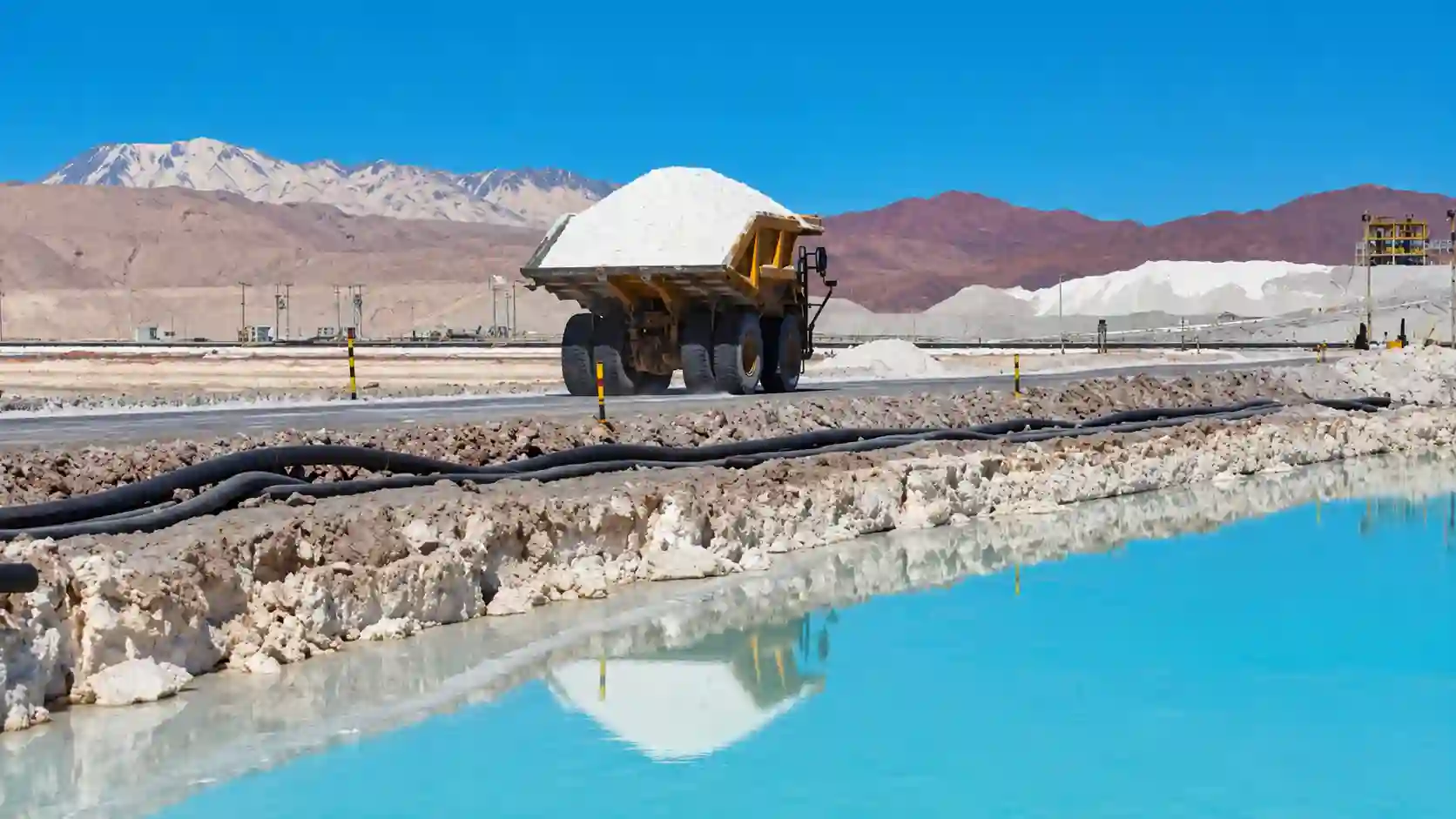
South America’s Strategic Resource Advantage in a Fragmenting World Economy
South America is gaining strategic weight through expanding oil production, major copper and lithium supply, dominant Brazilian niobium output and a large food-export base. The analysis asks who captures the strategic value through infrastructure, processing, finance, technology and long-term offtake.
September 10, 2026 · AI · Data Centers · Power · Grid Infrastructure · Investment
Why AI’s Cost Problem Could Reshape Data Center Investment in South America
AI inference is becoming dramatically cheaper per unit of capability while aggregate compute, capital and electricity demand continue to rise. Argentina, Brazil, Chile, Uruguay and Paraguay show five different tests of whether energy resources can be converted into bankable, connected and operational compute through grids, cooling, fiber, financing and project execution.

September 6, 2026 · Paraná River · Mercosur Trade · Rosario · Freight Costs · Waterways
How a Deeper Paraná River Could Reshape Mercosur Trade
Argentina’s new waterway concession foresees staged deepening toward a 40-foot channel on the Paraná. The commercial effect reaches beyond dredging: more usable draft can change how much cargo ships load at Gran Rosario, whether they need completion loading downstream and how freight economics shift across Paraguay, Uruguay and the wider Mercosur logistics system.

September 4, 2026 · iGaming · Regulation · Licensing · Taxation · Enforcement
South America’s iGaming Industry: Seven Markets, Different Rules
Brazil, Colombia, Peru, Argentina, Chile, Paraguay and Uruguay operate under sharply different online-betting and gaming rules. The comparison focuses on licensing, taxation, technical compliance and enforcement.

September 3, 2026 · Mercosur · Global Trade · Energy · Agriculture · Mining
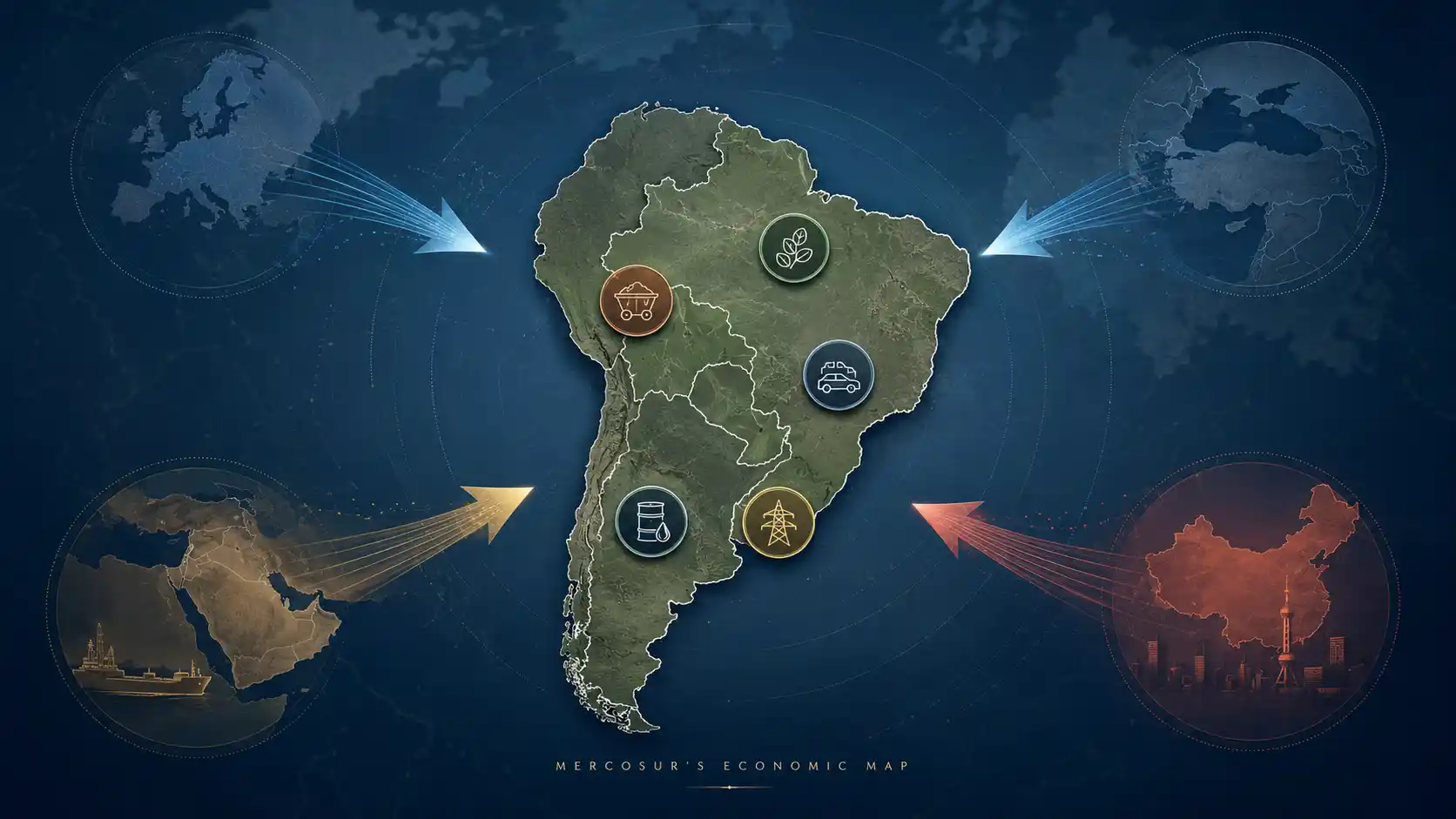
How Global Shocks Are Reordering Mercosur’s Economic Map
Global fragmentation is changing the relative economic weight of sectors across Mercosur. Energy, critical minerals and selected agricultural exports are gaining strategic importance, while fertilizer dependence and parts of the region’s automotive value chain face stronger external pressure.
August 2026 regional archive
August 30, 2026 · Critical Minerals
South America’s Critical Minerals Push: Cooperation, Competition and Bargaining Power
Chile, Argentina, Bolivia and Peru are coordinating strategic minerals while Brazil develops its own industrial strategy.
August 2026 · Bioceanic Corridor
Paraguay’s Bioceanic Bridge Is Connected. The Corridor Isn’t Ready Yet.
The bridge is physically connected, while roads, customs, border procedures and the Andean connection still determine operational readiness.
July 2026 regional archive
July 22, 2026 · Pulp · Infrastructure
Three Pulp Projects, Three Infrastructure Models: UPM, Montes del Plata and Paracel
Three different ways to allocate infrastructure, logistics, financing and execution risk across pulp projects in Uruguay and Paraguay.
July 2, 2026 · Offshore Oil · South Atlantic
Sea Lion Oil and Argentina’s Atlantic Energy Narrative
Sea Lion is moving from dispute to development, creating a South Atlantic energy-risk question alongside Argentina’s Vaca Muerta export strategy.
July 2026 · Climate Finance · Industrial Policy
Brazil’s Eco Invest Bet: Climate Finance as Industrial Policy
July 2026 · Mining · Desalination
Seawater Is Becoming Chile’s Mining Infrastructure
June 2026 regional archive
June 2026 · Paraguay · Brazil · Maquila
Paraguay as Brazil’s Industrial Side Door
June 2026 · Infrastructure Risk
Two Earthquake Economies, Two Risk Profiles
June 2026 · Lithium · Water Infrastructure
Water Infrastructure in Lithium Regions
June 2026 · Brazil · Critical Minerals
Brazil’s Critical Minerals Question
June 2026 · Argentina · Chile · Oil
Vaca Muerta’s Pacific Question
June 2026 · Antarctica · Climate Data
Penguin Guano, Climate Data and Argentina’s Role in Antarctica
June 2026 · Critical Infrastructure
Argentina’s Critical Infrastructure: PIAP & Vaca Muerta
June 2026 · Brazil · China · Finance
Brazil’s First Panda Bond
Argentina
All Argentina Insights
September 1, 2026 · Copper · Project Status · Infrastructure
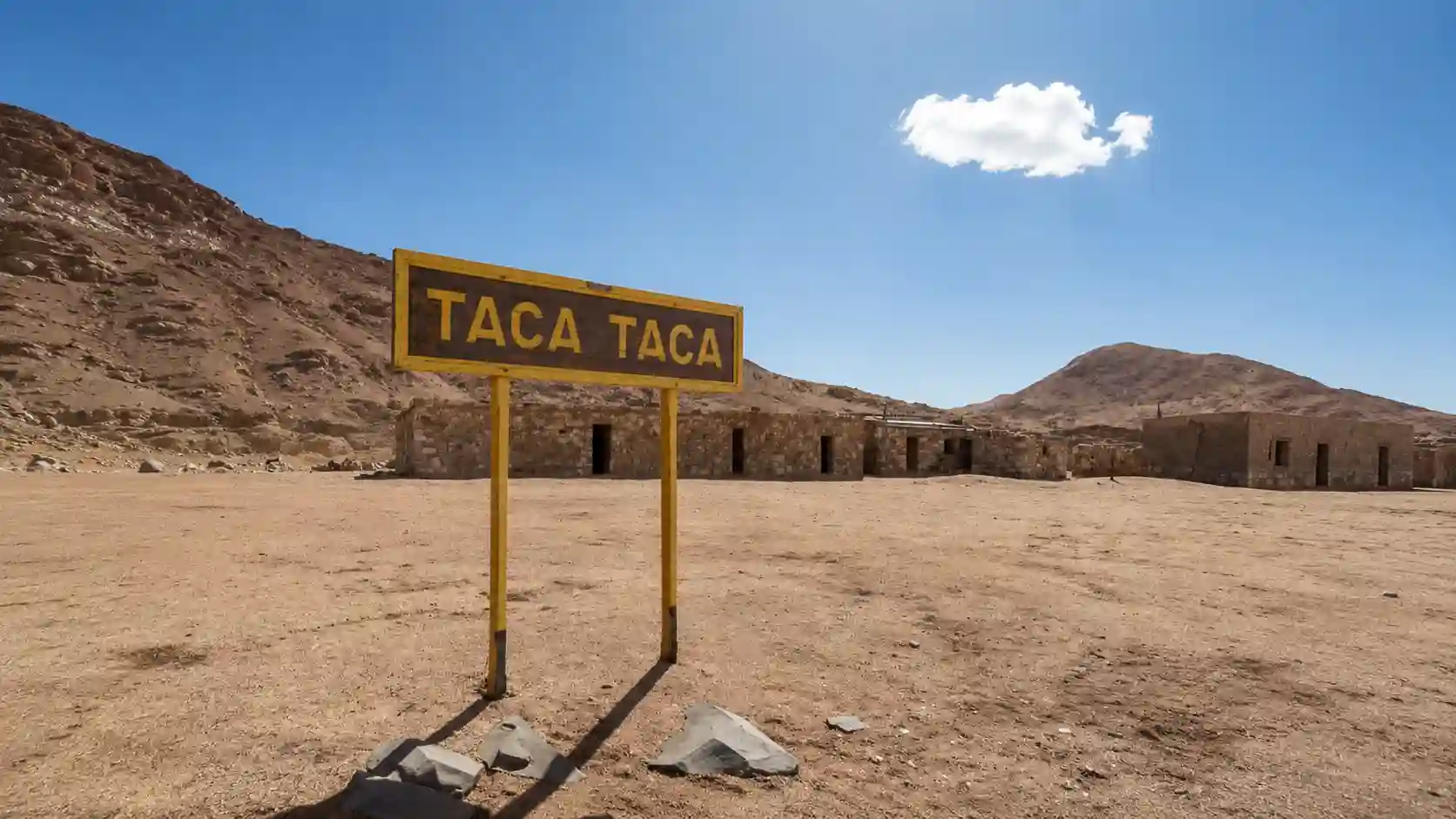
Taca Taca Copper Project: Project Status, Infrastructure and Supplier Opportunities
First Quantum’s Taca Taca development combines approximately US$5.25 billion in development capital with processing, power, water and rail requirements. The analysis separates defined technical demand from permitting, project sanction and package-level procurement.
September 2, 2026 · Supply Chain · Engineering · Suppliers
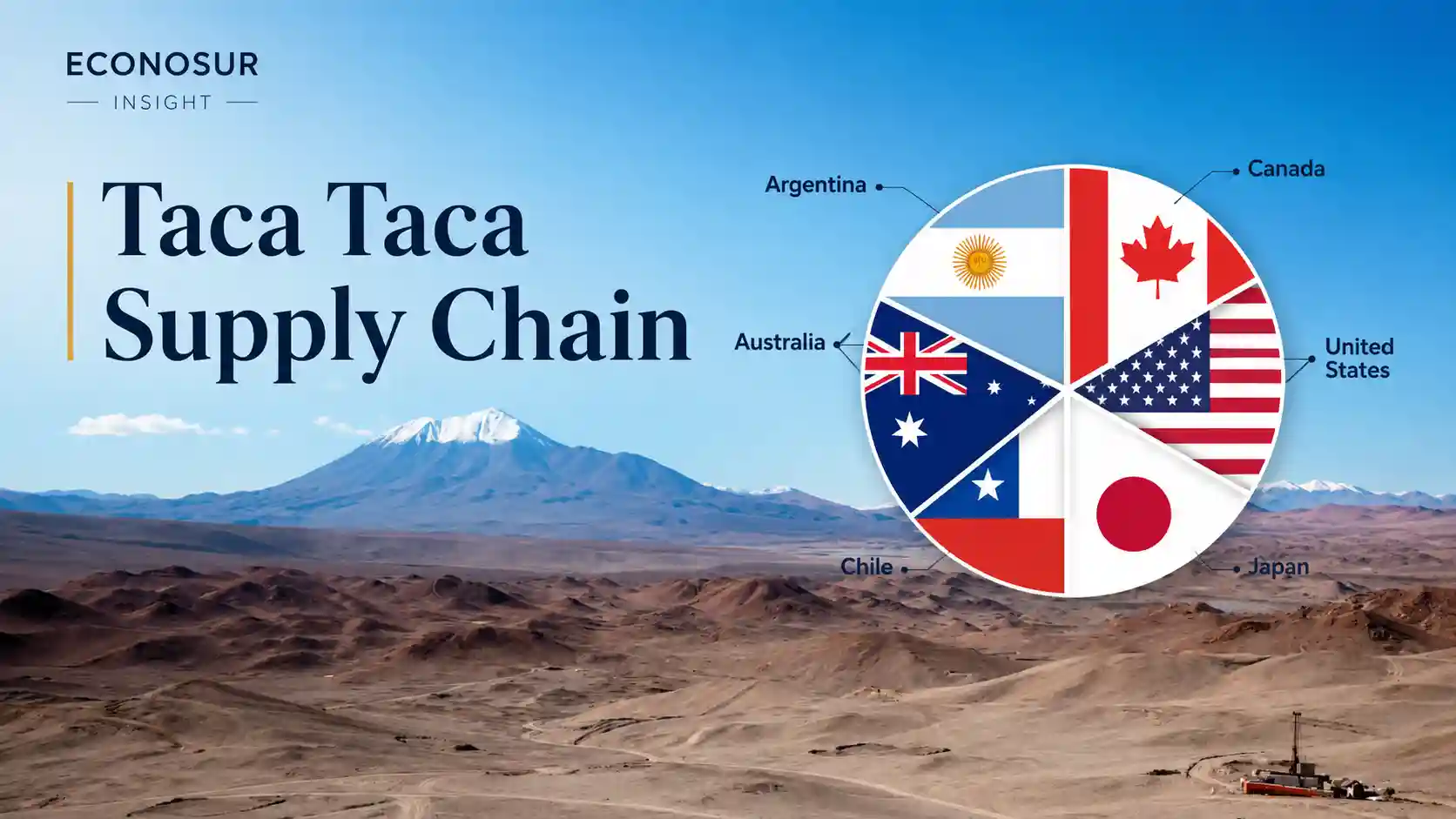
Taca Taca Supply Chain: Key Companies and Project Roles
The visible project chain spans Canada, Argentina, Australia, the United States and Chile, showing why mine location alone does not reveal where technical influence and buying decisions sit.
August 2026 Argentina archive
August 28 · Freight Rail
Argentina’s Freight Rail Reset: Which Corridors Will Private Capital Actually Rebuild?
August 23 · Lithium · Procurement
Who Will Supply Argentina’s Next Lithium Expansion?
August 21 · RIGI · Energy
Argentina’s RIGI Energy Pipeline: The Next Constraint Is Execution
August 4 · Foreign Exchange
The End of Argentina’s Dollar Season
July 2026 Argentina archive
July 2026 · Bioethanol
Argentina’s Bioethanol Market: The Companies Behind the E15 Opening
July 16 · Copper · Power
Josemaría Power Corridor: Who Controls Argentina’s Copper Grid?
July 15 · Copper
Argentina’s Copper Economy Before the First New Mine
July 2 · Offshore Oil
Sea Lion Oil and Argentina’s Atlantic Energy Narrative
June 2026 Argentina archive
Brazil
All Brazil Insights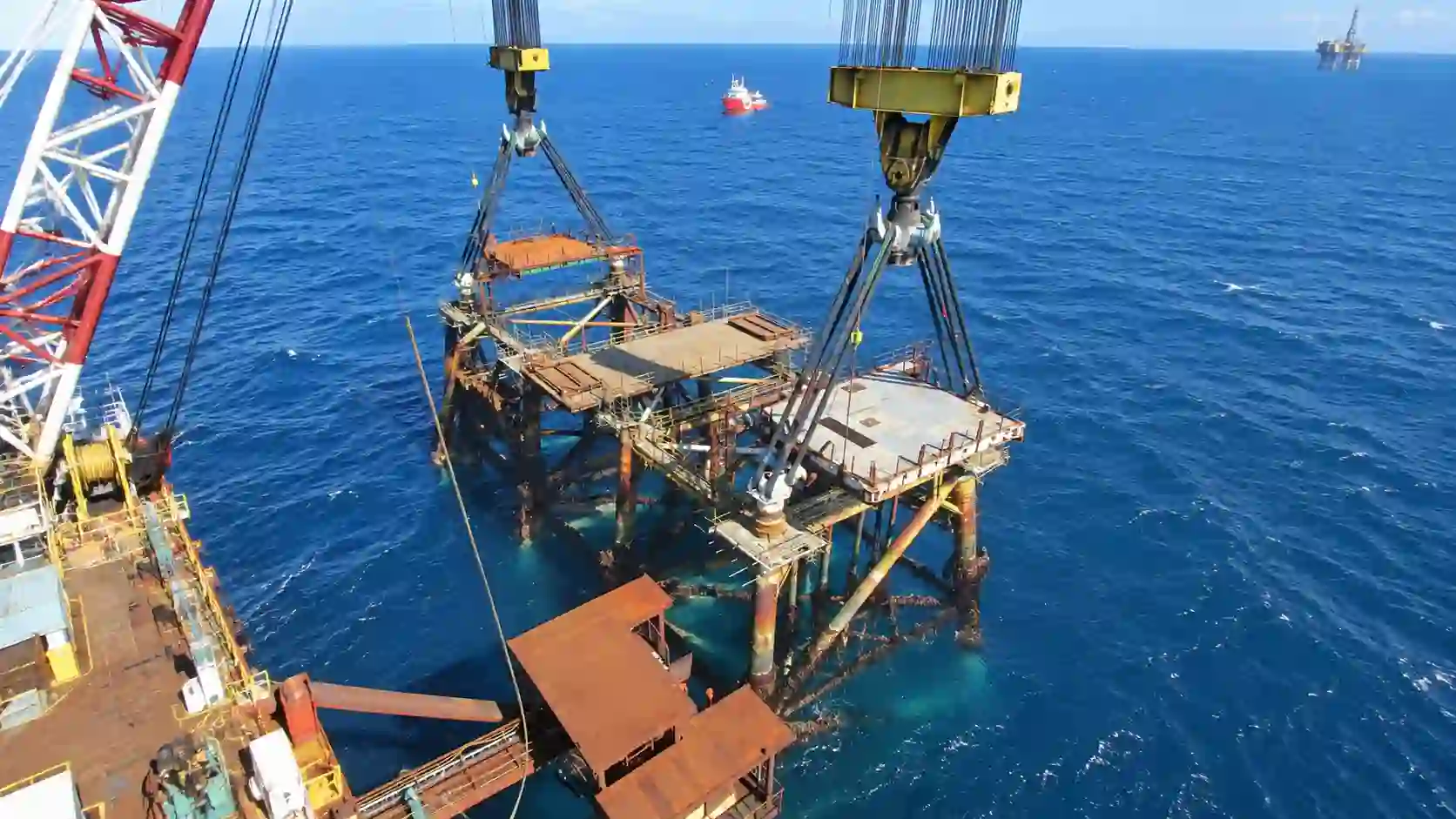
September 19, 2026 · Offshore Decommissioning · Supply Chain · Petrobras · Subsea · Recycling
Brazil’s Offshore Decommissioning Market: Where the Next Supplier Cycle Is Starting
Brazil’s offshore retirement cycle is becoming a supplier market of its own. ANP projects around R$70 billion of decommissioning investment for 2025–2029, while operators, subsea contractors, ports, shipyards and recyclers are already turning end-of-life obligations into procurement and industrial demand.

September 19, 2026 · Carbon Removal · Agriculture · Rice · Basalt · Climate Markets
Google and Terradot in Brazil: How Rice Fields and Basalt Are Creating a Carbon Removal Value Chain
Google and Terradot plan to combine methane reduction and enhanced rock weathering across more than 200,000 hectares of rice farms, starting in Rio Grande do Sul. The analysis examines how quarries, farmers, logistics, laboratories, verification and a global buyer are being connected into one carbon-removal value chain.
September 14, 2026 · Paraná · Wood Industry · Processing · Machinery · Supplier Opportunity
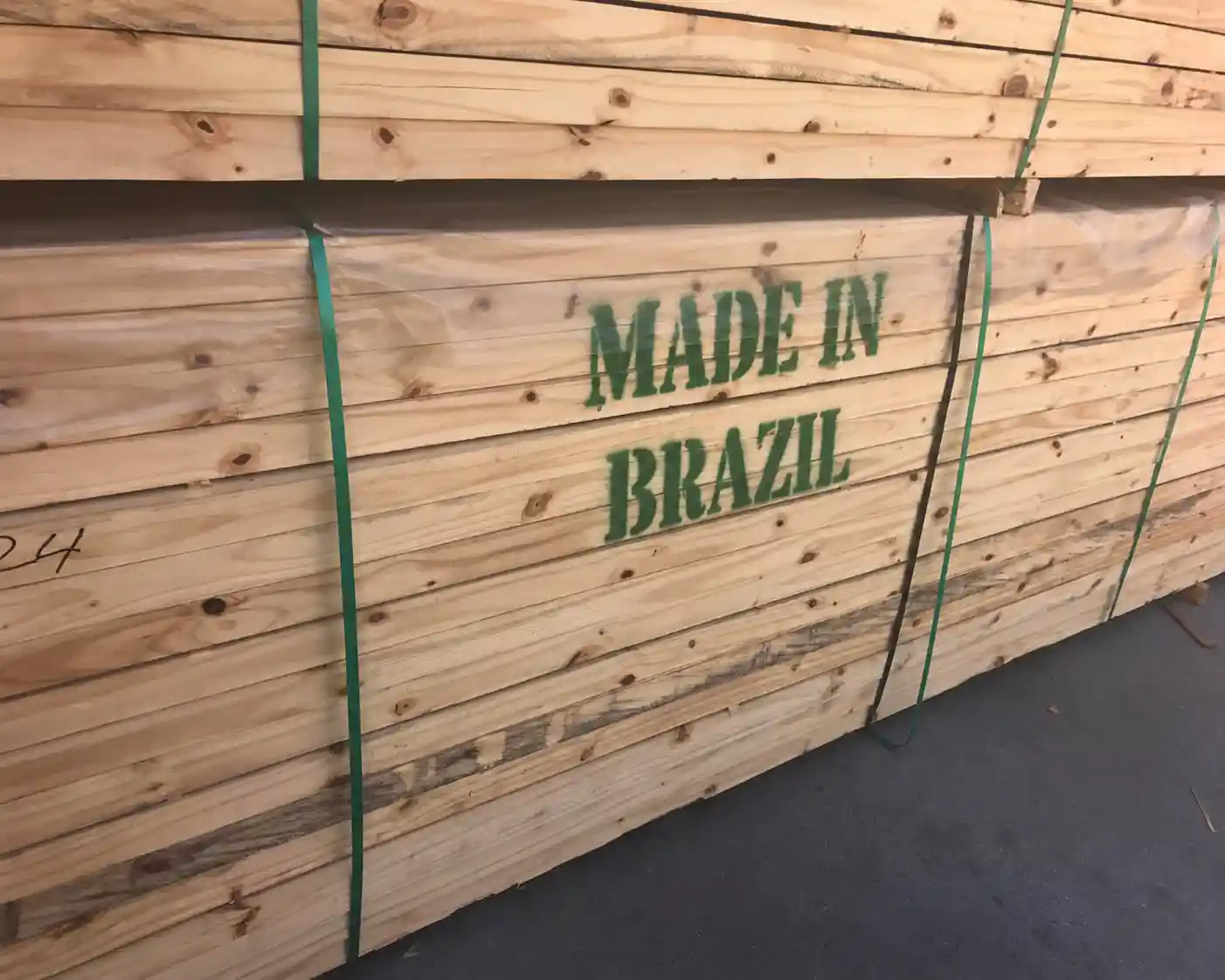
Brazil’s Wood Industry Is Rebalancing: Where the Supplier Opportunity Sits in Paraná
Paraná combines plantation scale, pinus processing, plywood exports and port access. The analysis examines why export concentration, plant productivity and higher-value processing are making automation, maintenance, quality control and industrial technology more relevant to the state’s wood-processing cluster.
September 5, 2026 · REDATA · Data Centers · AI Infrastructure · Power · Water
Brazil’s REDATA: Tax Incentives Meet Power, Water and Local-Capacity Rules
Brazil’s proposed REDATA regime lowers the tax cost of qualifying data-center equipment while tying the incentive to electricity sourcing, water efficiency, domestic computing capacity and R&D.

August 2026 Brazil archive
August 20 · Rare Earths
Brazil’s Rare Earth Project Pipeline
August 20 · Critical Minerals
Brazil’s Critical Minerals & Rare Earths
August 20 · Offshore · Procurement
ROG.e 2026 and Brazil’s Offshore Supply Chain
August 18 · Offshore · Amapá
Brazil’s Equatorial Margin
August 2 · Asia
Brazil’s Asia Pivot Is Broader Than China
July 2026 Brazil archive
Chile
All Chile Insights
August 2026 Chile archive
August 21, 2026 · Mining Investment · Copper · Lithium
Chile’s Mining Investment Pipeline: Where Copper and Lithium Capital Is Going
Chile’s US$104.5 billion mining portfolio is dominated by copper and brownfield investment, while water, power, permitting and execution are becoming harder constraints.
August 9, 2026 · HVDC · Transmission · Procurement
Kimal–Lo Aguirre: Chile’s $1.48 Billion HVDC Procurement Chain
August 9, 2026 · Power Grid · Transmission · Storage
Chile’s Power Grid: Transmission, Storage and the Infrastructure Bottleneck
July 2026 Chile archive
June 2026 Chile archive
Paraguay
All Paraguay InsightsSeptember 18, 2026 · Hydropower · Industrial Policy · ATOME · Fertilizer
Paraguay’s Hydropower Dilemma: What the ATOME Dispute Reveals About Industrialisation
ATOME’s Villeta fertilizer project turns Paraguay’s hydropower advantage into a wider industrial-policy question. The dispute over long-term power pricing shows the tension between attracting energy-intensive investment, protecting the economics of the electricity system and converting renewable power into domestic industrial value.

September 8, 2026 · Master Bus · Electric Buses · Manufacturing · Taiwan · Mercosur
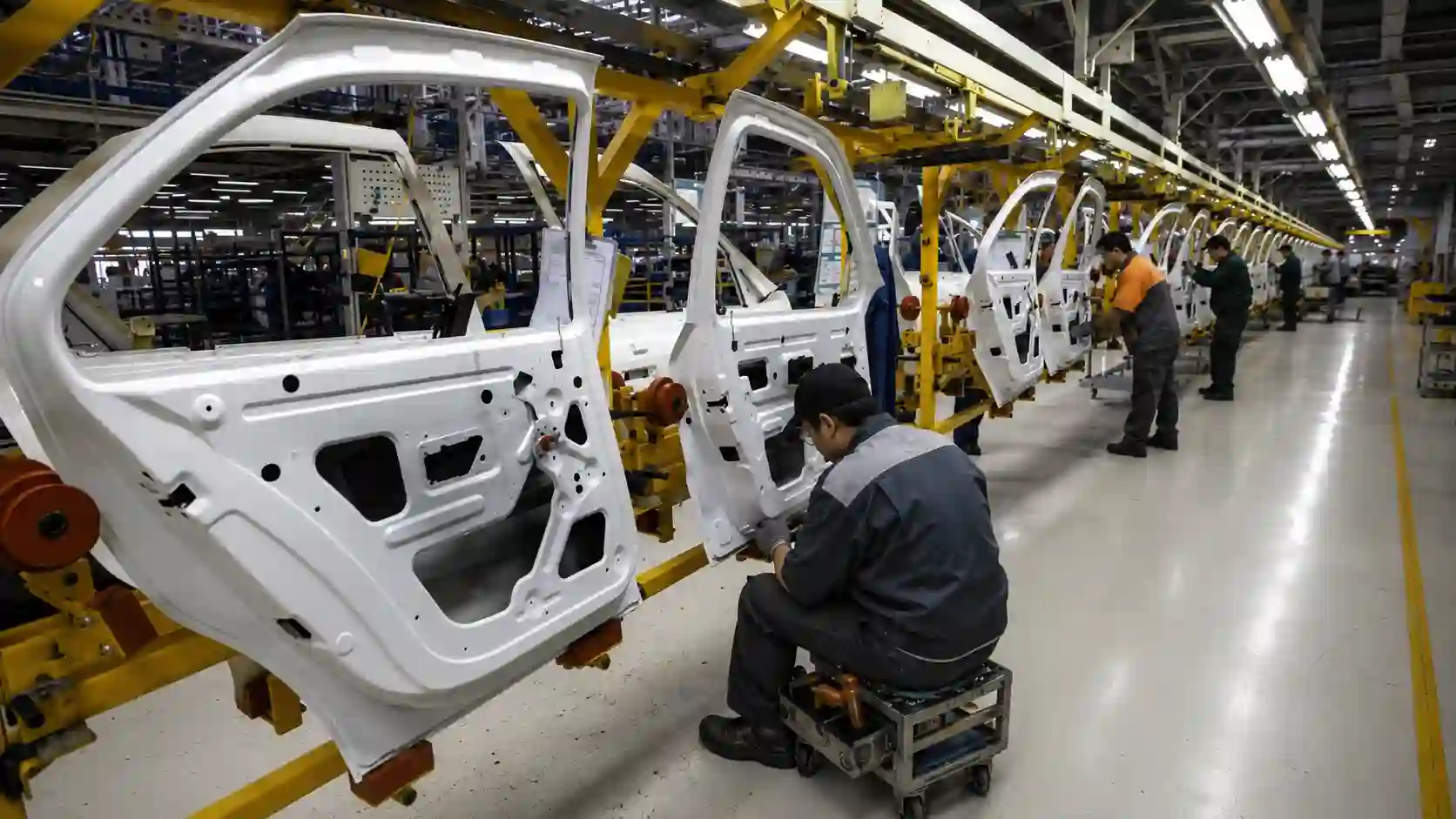
Master Bus in Paraguay: From Electric-Bus Imports to a Local Manufacturing Platform
Thirty Taiwan-built Master Bus electric buses are already part of Paraguay’s public-transport system. The next industrial test is whether planned local assembly, chassis and body production, supplier development and Mercosur export ambitions become a repeatable manufacturing platform — and how much of the vehicle and supplier chain is actually localized.

August 2026 Paraguay archive

May 2026 Paraguay archive
Uruguay
All Uruguay Insights
August 2026 Uruguay archive
August 21 · E-Fuels · Water · Renewable Power
HIF Paysandú: Can Uruguay Make a USD 5.4 Billion E-Fuels Industry Economically Viable?
HIF Global’s proposed project would connect renewable electricity, Uruguay River water and biogenic CO₂ with a new export industry. Electricity pricing, environmental authorization, financing and offtake remain central tests before final investment decision.
August 1 · Dairy · Exports
Uruguay’s Dairy Export System
July 2026 Uruguay archive
June 2026 Uruguay archive
May 2026 Uruguay archive
Key Econosur Questions
How are Econosur Insights researched?
Published Insights are based on publicly accessible primary and official sources, company and project documents, public datasets, local reporting and journalistic research. Sources are cross-checked, project status is separated from announcements and the analysis distinguishes documented evidence from interpretation and unresolved questions. Commissioned research can add direct verification, interviews and restricted or commercial data when required.
What does Econosur Insights cover?
Econosur covers market structures, companies, projects, procurement, infrastructure, trade, energy, mining, agriculture, digital markets and cross-border systems across Argentina, Brazil, Chile, Paraguay, Uruguay, Bolivia and the wider Southern Cone. The focus is on how these systems affect commercial access, project execution, suppliers and risk.
How does Econosur distinguish evidence from interpretation?
A permit is not financing, a tender is not an award, a project announcement is not execution and supplier registration is not an order. Econosur treats each source according to what it actually proves and separates verified facts, analytical interpretation and unresolved questions.
Why does Econosur combine country analysis with cross-border analysis?
South American markets are shaped by national institutions and regional systems at the same time. Trade corridors, waterways, energy networks, supplier chains, mining projects, agriculture, digital infrastructure and Mercosur rules often cross borders, so country analysis alone can miss where commercial decisions and dependencies actually sit.
Why does infrastructure matter for South American market access?
Infrastructure determines whether resource potential, industrial investment and trade demand can become operating capacity. Roads, ports, waterways, power grids, pipelines, railways, data centers and border systems influence project timing, logistics costs, supplier access and the practical geography of a market.
Why do supplier and procurement structures matter?
A project location does not necessarily reveal where specifications, qualification, purchasing authority or purchase orders sit. Econosur examines ownership, engineering roles, approved-vendor structures, local supplier capacity and regional or global procurement chains to distinguish visible demand from an actually accessible supplier route.
Why can smaller markets such as Paraguay and Uruguay matter regionally?
Small domestic markets can perform functions larger neighbors cannot easily replicate. Paraguay can matter through maquila, hydropower, border manufacturing and logistics, while Uruguay can matter through legal certainty, ports, export systems, renewable power and regional services. Econosur therefore evaluates function and connectivity, not market size alone.
Why are South America’s strategic resources becoming more important?
South America combines expanding oil production, major copper and lithium supply, dominant Brazilian niobium output and a large food-export base. In a more fragmented world economy, the strategic value of those resources depends increasingly on infrastructure, processing, financing, logistics and long-term offtake relationships.
Who should use Econosur Insights?
Econosur Insights is written for international companies, decision-makers, analysts, investors, consultants and regional observers who need grounded South American market analysis rather than generic macroeconomic summaries. Public Insights establish the structure and evidence boundary; commissioned research can investigate client-specific companies, suppliers, partners, procurement routes and unresolved market questions.
Econosur covers companies, projects, procurement structures, supplier systems, infrastructure, trade corridors, energy, mining, manufacturing, agriculture, digital infrastructure and cross-border market structures across Argentina, Brazil, Chile, Paraguay, Uruguay and the wider Southern Cone. Current coverage includes South America’s strategic resource position across oil, critical minerals and food, AI and data-center investment across Argentina, Brazil, Chile, Uruguay and Paraguay, the Paraná River, Taca Taca, Argentina freight rail, lithium procurement, Vaca Muerta investment and project finance, Brazil offshore supply chains, offshore decommissioning, REDATA, rare earths, carbon removal in rice agriculture, Paraná’s wood-processing and supplier cluster, Chile mining and power infrastructure, HNH Energy and green ammonia in Magallanes, Paraguay electric-bus manufacturing, maquila, Itaipú and trade corridors, as well as Uruguay’s electric-ferry and port-electrification infrastructure, e-fuels, exports and offshore activity.
Econosur is an independent platform for strategic market insights and regional business analysis across Argentina, Brazil, Chile, Paraguay, Uruguay, Bolivia and the wider Southern Cone. Published Insights are built from public evidence and journalistic research; commissioned research can extend to direct verification, interviews and additional restricted or commercial sources where the question requires them.